
Energy · News Corner
Europe Opens Its Oil Taps: 11 Countries to Release 42.6 Million Barrels Before Winter

By Beauty of Bharat — India travel guide, every place, every flavour.
Guides covering all 36 States and UTs, researched from official sources and checked at publish time. Corrections welcome — see About Beauty of Bharat.
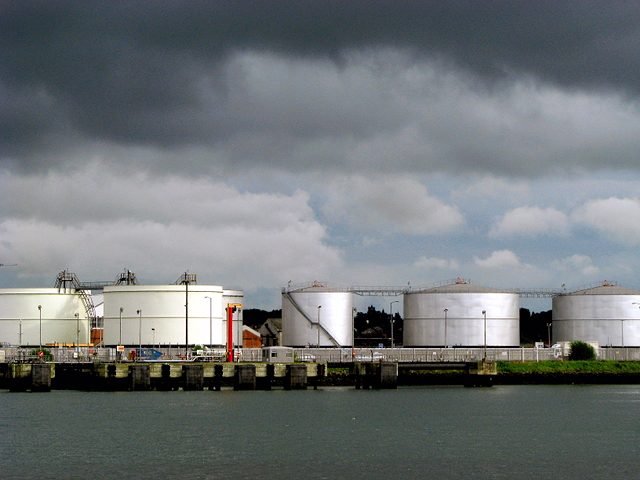
Eleven European countries will release 42.6 million barrels of oil from their strategic reserves by the end of January 2027 — about half of it diesel — in a coordinated bid to steady fuel supplies before winter.
This post reflects reporting available on 30 October 2026, including Malay Mail (AFP), Agence Europe and Gulf News (AFP). Where sources disagree or a detail is unconfirmed, the article says so.
What was agreed
Eleven European countries have pledged to jointly release 42.6 million barrels of oil from their strategic reserves by the end of January 2027, in a coordinated move to ease energy supply concerns ahead of winter. About half of the release — 20.5 million barrels — will be diesel, according to the European Union's energy commissioner, Dan Jorgensen, who announced the pledge on Thursday. The countries said in a joint statement that the release would be accelerated over the coming months, and the European Commission will monitor progress through its Oil Coordination Group, with a review at the December Energy Council. Jorgensen told reporters that member states had reaffirmed their commitment to an accelerated release over the next months.
Who is involved
The eleven signatories are France, Germany, Italy, Belgium, Denmark, Greece, Latvia, Luxembourg, the Netherlands, Portugal and Sweden. Lithuania endorsed the initiative but did not sign the joint pledge, which is why some reports count twelve countries involved. The International Energy Agency, to which all the participating countries belong, had called in mid-October for members to step up releases of oil stocks ahead of winter. The declaration was made public at the Energy Council in Luxembourg.
Why now
The move follows a deal struck by the G7 economies earlier in October to release 100 million barrels of diesel and crude oil, after US President Donald Trump threatened a diesel export ban. Pressure to act grew after the US-Israeli war with Iran sent energy prices sharply higher, feeding into fuel costs that have become a political issue ahead of US congressional elections next week. The EU said it did not expect a security-of-supply problem as such, but Jorgensen acknowledged that for citizens struggling to pay bills, that distinction might not matter. The European release also sits inside a wider International Energy Agency collective action launched in March 2026, and the countries have asked the Commission to monitor the release through the Oil Coordination Group, with progress to be reviewed at the December Energy Council.
What happens next — and what is still unconfirmed
For households, the immediate question is pump prices. Jorgensen said the EU did not expect a security-of-supply problem as such, but acknowledged that for citizens struggling to pay their bills, that distinction might not matter. The Commission has also opened talks with refiners on ways to boost output, including potentially easing some technical specifications, as part of the same effort to steady fuel markets. The releases will run through the end of January 2027, and their effect on pump prices will depend on how quickly the oil reaches the market and on wider crude prices. The Commission has also begun talks with refiners on ways to boost output, including potentially easing some technical specifications. What is still unconfirmed is the exact split of the release between countries and the timing of individual tranches, which the joint statement did not publish.
Context and what to watch
Strategic oil reserves exist for exactly this kind of shock: a sudden supply fear that pushes fuel prices up before winter, when heating and transport demand are highest. The joint pledge commits 42.6 million barrels to be released by the end of January 2027, of which 20.5 million barrels — roughly half — will be diesel, the fuel where winter tightness is usually felt first by households, hauliers and farmers. The trigger, as reported, was the US–Israeli war with Iran sending energy prices sharply higher, and the International Energy Agency had already called in mid-October for members to step up stock releases before winter.
The counting question is worth getting right. Eleven countries signed the joint pledge, while Lithuania endorsed the initiative but did not sign it — which is why some reports describe twelve countries as involved. What to watch is delivery rather than announcement: whether the barrels actually reach the market by the end of January, whether diesel availability and pump prices ease as a result, and whether further releases follow if prices stay high through the coldest months.
Frequently Asked Questions
How much oil is being released, and how much of it is diesel?
A total of 42.6 million barrels from strategic reserves, to be released by the end of January 2027. Of that, 20.5 million barrels will be diesel — roughly half the total.
Why are the reserves being released now?
To ease global energy supply concerns and stabilise fuel prices ahead of winter, after the US-Israeli war with Iran sent energy prices sharply higher. The International Energy Agency had called in mid-October for members to step up stock releases before winter.
Are 11 or 12 countries involved?
Eleven countries signed the joint pledge. Lithuania endorsed the initiative but did not sign it, which is why some reports describe twelve countries as involved.
For more world news, see our News Corner.
More world news
Follow the day's developing stories and the rest of today's world news from the News Corner hub.
More from News Corner →