
Travel · News Corner
A Floating Home That Stopped Sailing: Fuel Costs Halt the Villa Vie Odyssey in Cambodia

By Beauty of Bharat — India travel guide, every place, every flavour.
Guides covering all 36 States and UTs, researched from official sources and checked at publish time. Corrections welcome — see About Beauty of Bharat.
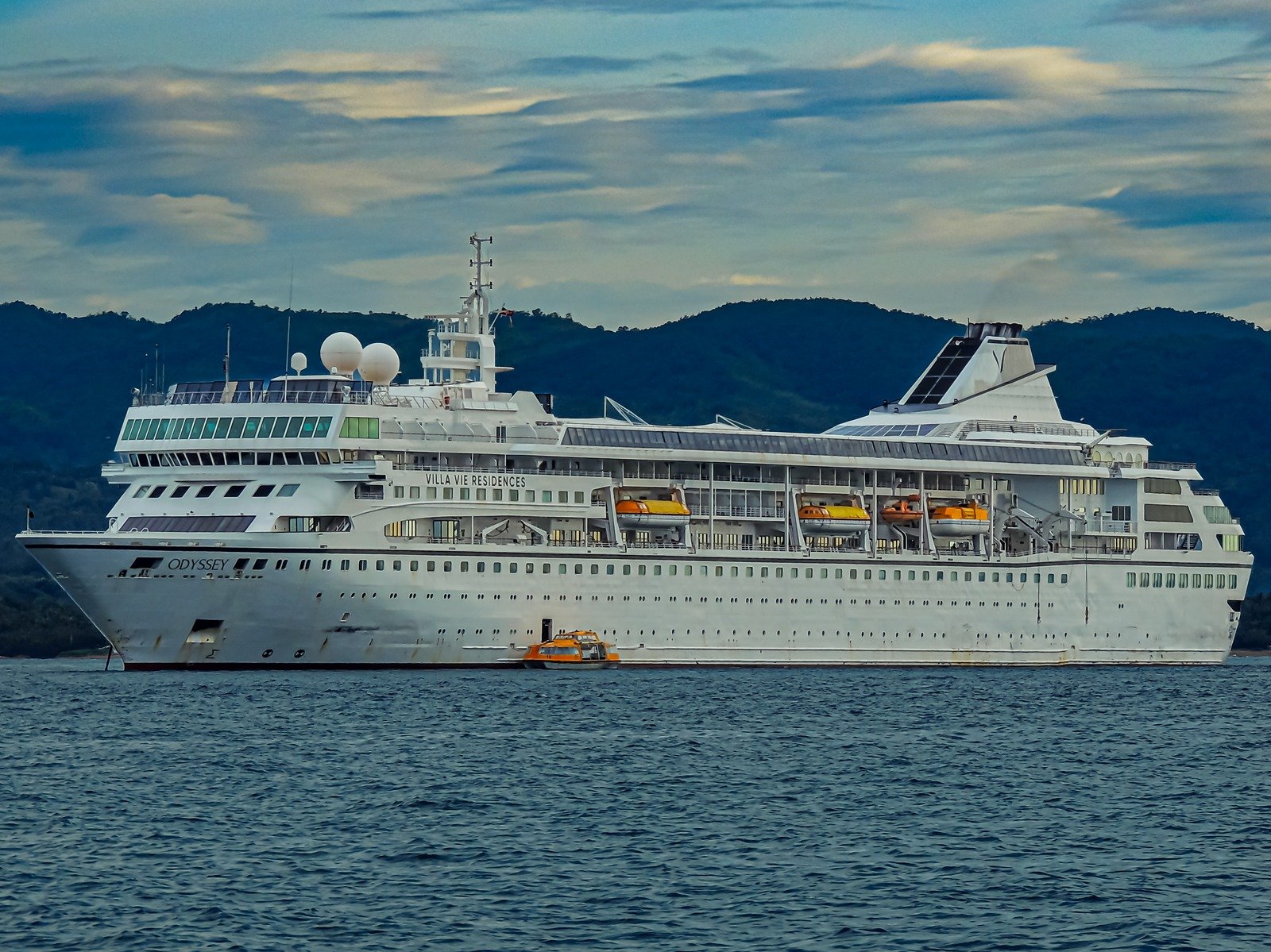
What happens when the home you live in runs out of affordable fuel — and that home is a ship, thousands of kilometres from where you started? For more than 200 people aboard the Villa Vie Odyssey, that question stopped being hypothetical in late October 2026, when the residential cruise ship suspended its years-long voyage around the world at the Cambodian port of Sihanoukville, and its residents were told to pack up and come ashore.
What happened at Sihanoukville
The Villa Vie Odyssey, operated by Florida-based Villa Vie Residences, had been sailing continuously since it left Belfast in Northern Ireland in October 2024. The voyage was marketed as a residential cruise: passengers bought or leased cabins and lived aboard full time while the ship circled the globe, visiting destinations on all seven continents. It was, in the operator's pitch, a permanent home that happened to keep moving.
That movement stopped in Cambodia. The ship arrived at Sihanoukville, on the Gulf of Thailand coast, on Friday 23 October 2026. On Tuesday 27 October, Villa Vie Residences announced it was suspending operations, citing fuel costs it could no longer absorb. Residents were given roughly seven hours' notice to disembark, according to multiple reports of the announcement, and were told to take their belongings ashore. The ship remained docked at Sihanoukville with no certain departure date in the days that followed.
According to Cambodian officials cited by the Associated Press, the ship was carrying 203 passengers, mostly Americans, along with 156 crew members when the suspension was announced. The vessel has a capacity of around 650 passengers, so it was sailing well below a full complement — a detail that matters, because a residential ship's costs do not fall neatly in line with how many cabins are occupied.
Why fuel costs broke the voyage
Villa Vie Residences put the reason plainly in its statement: fuel had become too expensive to keep sailing. The company said monthly fuel expenses per cabin, which had historically averaged around $1,800, had reached an estimated $6,000 to $8,000 in parts of Asia. It added that it had tried to cut consumption by slowing the itinerary and spending more time in port, but that those measures had not been enough to offset what it called an extraordinary increase in fuel costs and the resulting operating losses.
The company linked the surge to the war in Iran, which began in late February 2026. Traffic through the Strait of Hormuz — the narrow waterway through which much of the region's oil moves — has been curtailed since the conflict began, squeezing supplies of petroleum-based fuels, especially in South-East Asia, and pushing prices sharply higher. Asia is a heavy importer of energy from the Middle East, so a disruption there lands directly on ships refuelling in Asian ports.
This is the part of the story that reaches beyond one ship. A conventional cruise can cancel a sailing, reprice the next one, or reroute. A residential cruise cannot easily do any of those things: its passengers have already paid substantial sums for cabins, some for what was marketed as a lifetime aboard, and the ship is supposed to keep moving indefinitely. When the fuel bill triples or quadruples, there is no next sailing to reprice — there is only the voyage already under way, and the money already committed.
What happened to the people on board
For the residents, the suspension was not a cancelled holiday. Many had sold homes to join the voyage, and some had paid six-figure sums for cabins. Being told to leave a ship in Cambodia at a few hours' notice meant finding hotels, arranging onward travel, and sorting out visas and belongings far from home — all at their own expense, according to passengers quoted in the coverage. The operator said it was working to identify temporary living arrangements for residents, but passengers quoted in early reports said they had received little practical support and had to make their own arrangements.
Some residents stayed on in Sihanoukville hotels while they waited for answers about the ship's fate, with plans reported in the press to travel onward to Phnom Penh and Kuala Lumpur. Others faced a different question: what happens to the money already paid for a voyage that may not resume? As of early November, no detailed, publicly confirmed compensation plan had been reported. That uncertainty is, for many residents, the sharpest part of the story — the ship stopped, but the financial questions did not.
The crew faced their own difficulties. NBC News reported on 1 November that it had been more than a month since some of the ship's 150-plus crew members were paid, according to a report summarised by People. Separately, CBS News reported that the ship's lender had taken control of the vessel, and that chief executive Mikael Petterson said the company planned to file for Chapter 11 bankruptcy protection. A bankruptcy filing itself had not been clearly documented in public reporting as of early November, so the restructuring path remains a stated intention rather than a completed legal step.
Context and what to watch
The Odyssey is not a typical cruise ship, and that is why its suspension has drawn attention well beyond the cruise world. Residential cruising is a small, ambitious niche: it asks people to trade a house on land for a cabin at sea, on the promise that the ship will keep sailing. The model depends on predictable operating costs over years, not weeks. A fuel shock of this size breaks that promise in a way that a single cancelled sailing never could, and it will likely make future buyers of residential cruises ask harder questions about fuel surcharges, reserve funds, and what happens if the ship stops.
The wider context matters for ordinary travellers too. Fuel is one of the largest variable costs in cruising and aviation, and when a regional conflict disrupts supply, the effects show up first as surcharges and then, in extreme cases, as suspended services. Travellers booking long or unusual voyages — world cruises, repositioning sailings, and expedition trips — should note how quickly an operator's economics can change, and how much protection their booking actually gives them if the operator suspends operations mid-voyage rather than cancelling before departure.
There are also discrepancies in the early reporting worth noting honestly. Some outlets describe the voyage as three years long and others as three and a half; some describe the ship as US-operated and others note a Bahamas flag; and the suspension itself is dated 27 October in the operator's announcement but appears in some reports dated 28 or 29 October, when the story reached a wider audience. None of those differences changes the core facts — the ship, the port, the fuel-cost reason, and the number of people affected — but they are a reminder that the first days of a breaking story are rarely tidy.
What to watch next
Three questions will decide what this story becomes: whether Villa Vie Residences secures new financing or completes a bankruptcy restructuring that lets the ship sail again, whether residents receive refunds or compensation for the unused portion of their voyages, and where the ship itself goes next, with reports suggesting a move to Singapore without residents aboard. Until the operator or a court filing answers those questions, the Odyssey's voyage remains suspended, and its former residents remain ashore.
Frequently Asked Questions
Which ship suspended its voyage in Cambodia?
The Villa Vie Odyssey, a residential cruise ship operated by Florida-based Villa Vie Residences. It had been sailing continuously since leaving Belfast in October 2024.
Where did the ship stop, and when?
At Sihanoukville, a port city on Cambodia's Gulf of Thailand coast. The ship arrived on 23 October 2026, and the operator announced the suspension on 27 October 2026.
How many people were affected?
Cambodian officials cited by the Associated Press put the figure at 203 passengers, mostly Americans, plus 156 crew members. The ship's capacity is around 650 passengers.
Why did the operator suspend the voyage?
Villa Vie Residences cited surging fuel costs, saying monthly fuel expenses per cabin had risen from a historical average of around $1,800 to an estimated $6,000 to $8,000 in parts of Asia, linked to disruption from the war in Iran and curtailed traffic through the Strait of Hormuz.
Will the voyage resume, and will residents be refunded?
No resumption date had been confirmed as of early November 2026. The operator has spoken of restructuring and recapitalisation, and its chief executive has said it plans to seek Chapter 11 bankruptcy protection, but no detailed public compensation plan had been reported.
What should travellers learn from this before booking a long cruise?
Check what happens if an operator suspends a voyage mid-trip, whether fuel surcharges can be added after booking, and what refund or repatriation protection the fare includes — especially for residential or world cruises where the commitment runs into years rather than days.