
Practical Guide · Photography in India
Photography in India: Best Places, Seasons, Rules & Tiger Photography Tips

By Beauty of Bharat — India travel guide, every place, every flavour.
Guides covering all 36 States and UTs, researched from official sources and checked at publish time. Corrections welcome — see About Beauty of Bharat.
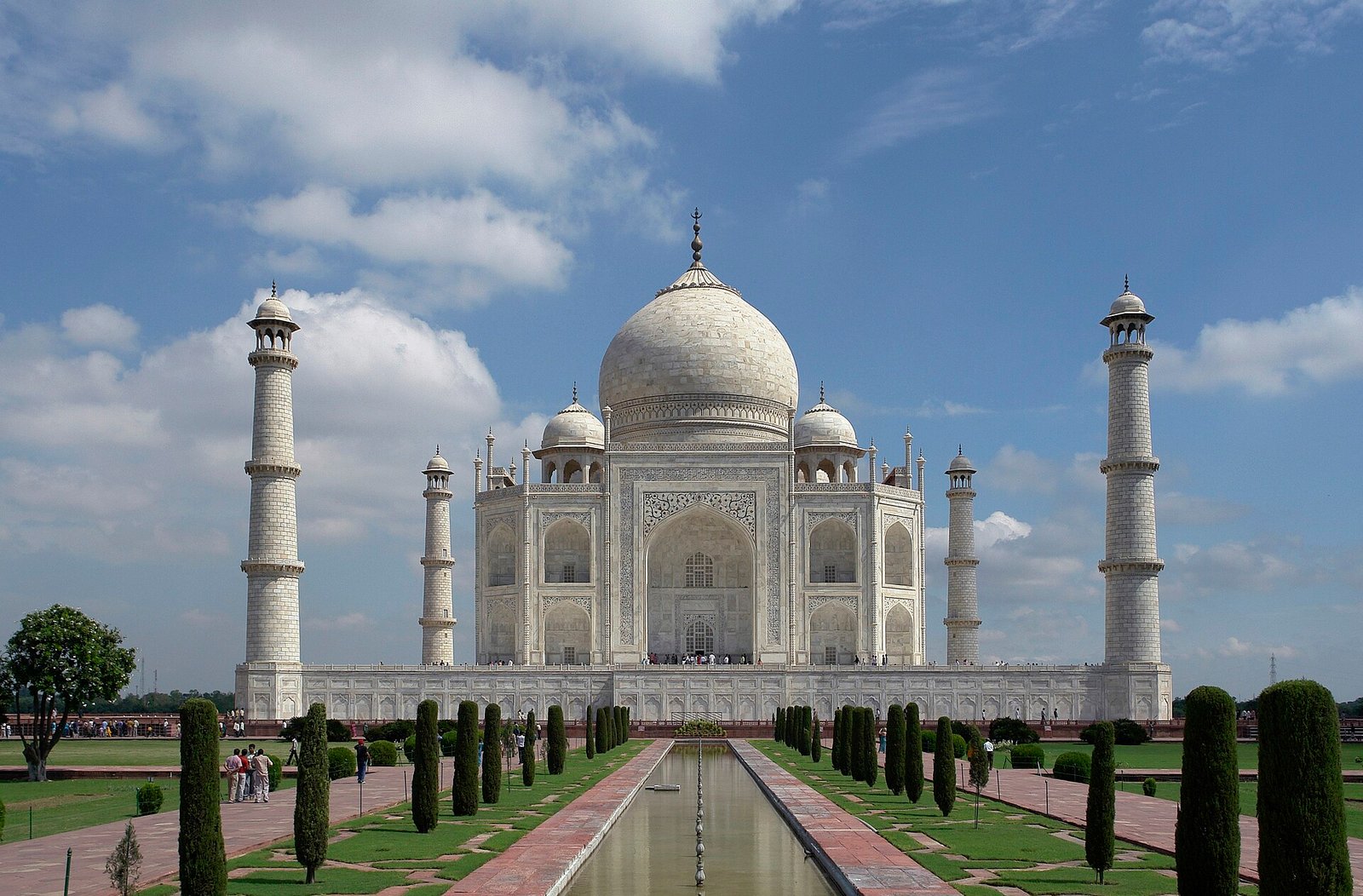
The Taj Mahal has no colour of its own. Its Makrana marble is dense and slightly translucent, so it takes the colour of the sky — gold at sunrise, blue-white at noon, rose-pink at sunset, and softly luminous on a full-moon night. That is the whole of photography in India in one building: the light does half the work, and the other half is knowing where to stand, when to be there, and which rules will stop you at the gate. This guide covers the places, the seasons, the light, and the rules that catch travellers out — the camera fees, the tripod bans, the drone law, and the etiquette that decides whether people let you photograph them.
Best places to photograph in India
India is not one photographic subject; it is half a dozen, and they peak in different months. The list below runs north to south, with the light and season that make each place work. Our month-by-month calendar sets out the same seasons for the trip as a whole.
The Taj Mahal: photographing the light, not the building
Everyone photographs the Taj Mahal, and almost everyone photographs the same frame — the long water channel from the main gate, the dome centred at the far end. It is famous for a reason, and it is worth taking once. But the better photographs come from understanding that the building is a mirror for the sky: at sunrise the eastern face catches the first light and the marble blushes pink, then gold; by midday it gleams pure ivory; at sunset the view from Mehtab Bagh, across the Yamuna, gives the reverse perspective — the Taj framed by a glowing western sky, with far fewer people in the frame. The raised marble tank halfway along the central channel gives the classic reflection shot, and the side paths, crouched low beside the water channels, give the same reflection without the crowd.
Varanasi ghats: the most photographed sunrise in India
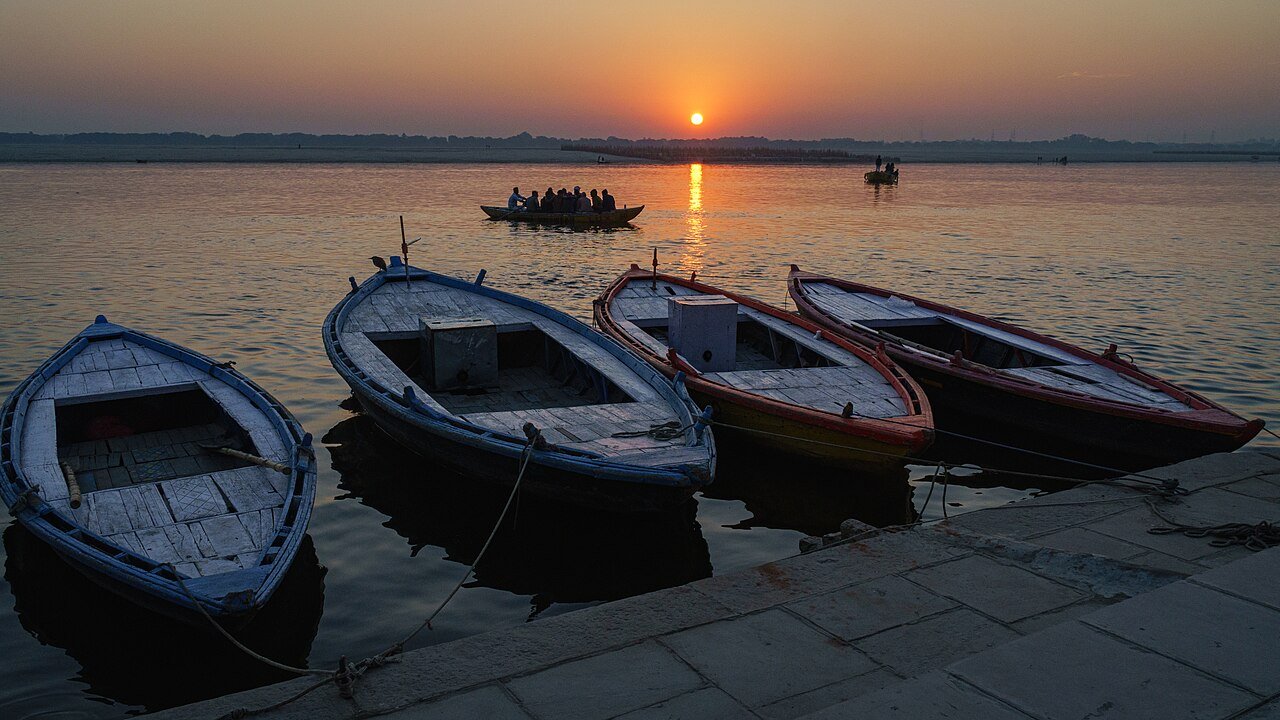
No place in India merges spirituality and photography like Varanasi. The ghats of the Ganges unfold in layers at dawn — pilgrims bathing, priests chanting, boats drifting through pastel light, temple domes catching the first sun. The best position is on the river itself: hire a rowing boat before sunrise from Assi or Dashashwamedh Ghat and shoot back toward the ghats as the light comes up. From the water you get the whole sweep of the city in one frame, without blocking anyone's path to prayer.
Varanasi is also where the etiquette in this guide matters most. The ghats are a living place of worship, not a set, and the cremation ghats — Manikarnika in particular — are not a photo subject at all. Do not photograph funerals or cremations, do not photograph people bathing without being asked or invited, and keep the camera down during rituals unless a priest or participant has clearly welcomed it. The evening Ganga Aarti at Dashashwamedh is spectacular and openly photographed, but even there, shoot from the edge, not through the ceremony.
Rajasthan: deserts, forts and colour
Rajasthan is the most forgiving place in India to photograph, because the colour does the composition for you. Jaipur is pink by law and habit — the Hawa Mahal at first light, the painted Patrika Gate before the crowds, the blue lanes of Jodhpur nearby. Jaisalmer is the desert half: the golden fort rising out of the sandstone town, and the Sam sand dunes at sunset. Udaipur is the water half — lake reflections at dawn from Ambrai Ghat, the City Palace catching the evening light across Lake Pichola.
The desert needs the same discipline as the Taj: shoot at the ends of the day. Midday in the Thar flattens everything into white glare; the hour after sunrise and the hour before sunset give long shadows on the dunes and warm light on the sandstone. Keep a cloth over the camera between shots — fine desert dust gets into everything. The Pushkar Camel Fair, held each November, is the desert at its most photographic, and it has its own section under festivals below.
Kerala backwaters: slow water, soft light
Kerala photographs in the opposite register from Rajasthan: green, still and soft. The backwaters around Alleppey and Kumarakom are at their best at dawn, when the water is glassy — coconut palms and Chinese fishing nets reflected in water the colour of the sky. Munnar's tea gardens, a few hours inland, are best on a misty post-monsoon morning, when the rows of tea bushes disappear into fog. Fort Kochi adds the human half: the fishing nets at sunset, the colonial streets, Kathakali performers in full make-up — ask before photographing performers close up, and expect a small tip to be the custom.
Kerala is greenest in October and November, just after the monsoon, when the rain has washed the dust out of the air. In the monsoon itself, June to September, the backwaters are dramatic but boat schedules and light are unreliable, and gear protection becomes the whole job — see the packing section before taking a camera out in Kerala rain.
The Himalayas: scale, altitude and thin air
The Himalayas reward the photographer who plans around altitude and access. Ladakh is the headline: Pangong Lake and Tso Moriri blaze orange and magenta at sunrise, Thiksey Monastery and Shanti Stupa in Leh give panoramic sunset frames, and the thin air makes colours deeper and shadows sharper than at sea level. Spiti Valley is the quieter version — raw, empty, superb for astrophotography. Darjeeling and Sikkim give the gentler frame: tea gardens, monasteries, prayer flags against snow peaks, and the sunrise over Kanchenjunga from Tiger Hill.
The season is short and non-negotiable: Ladakh and Spiti are properly open roughly May to September; outside that window, passes close. The light is harsh by midday at altitude, so the golden-hour rule applies harder. And the altitude affects the photographer as much as the camera: walk slowly, drink water, and do not plan a dawn shoot on your first morning at 3,500 metres. Batteries drain faster in the cold — keep spares in an inside pocket and swap them in rotation.
Wildlife parks: where patience is the technique
India's wildlife parks — Ranthambore, Kanha, Bandhavgarh, Corbett, Kaziranga, Gir — are among the best places on earth to photograph a wild tiger, a one-horned rhinoceros or an Asiatic lion. They are also where the rules are strictest and the technique most specific, so they get their own sections below: camera rules in tiger reserves and tiger photography basics.
When to photograph India: seasons and light
The best overall season for photography in India is October to March: clear skies, soft light, comfortable temperatures, and the festivals clustered in the same months. But "best" depends on the subject.
| Season | Months | Best for | Watch out for |
|---|---|---|---|
| Winter (peak) | October–March | Taj Mahal, Rajasthan, Varanasi, Kerala, wildlife parks | Morning fog in the north in Dec–Jan can delay the sunrise |
| Summer | April–June | Ladakh and Spiti (roads open), tiger sightings (animals come to water) | 40°C+ on the northern plains; harsh midday light; dust haze |
| Monsoon | June–September | Kerala greenery, Western Ghats waterfalls, wet-street reflections | Rain, leeches in forests, many parks closed; protect gear |
| Post-monsoon | October–November | Kerala at its greenest, clear Himalayan air, festivals | The best weeks book out early |
The daily rhythm matters as much as the season. The golden hour — roughly the first hour after sunrise and the last hour before sunset — is when India photographs best: warm light turns sandstone gold, softens the dust haze, and gives long shadows that add depth to streets and monuments. The blue hour, the twenty minutes after sunset, is when temple lights, street lamps and lake reflections mix with twilight — Jaipur and Udaipur are at their most romantic then. Midday is the hard hour: flat light, short shadows, worst heat. Use it for interiors, for editing and backing up, and for the long lunch India expects you to take. One exception: midday's hard contrast can work for street photography in crowded markets — but it is an advanced choice, not a default.
Check sunrise and sunset times for each city the night before. India spans a wide range of longitudes but runs on a single time zone, so sunrise in Assam is roughly an hour earlier than sunrise in Gujarat — and the light will not wait for you to work that out on the morning.
Camera rules at monuments: what catches travellers out
The Archaeological Survey of India (ASI) runs about 3,700 protected monuments, including the Taj Mahal, Red Fort, Qutb Minar, Hampi, Khajuraho, Konark, Ajanta and Ellora. The rules are consistent in outline and full of local exceptions — and the exceptions are what catch people out. The outline, checked against the official Taj Mahal site (tajmahal.gov.in) and ASI pages on 15 November 2026:
- Phones and small handheld cameras are free at ASI sites. Walk in, take photographs for personal use, no extra ticket. This covers the overwhelming majority of visitors.
- No photography inside the main mausoleum at the Taj Mahal. The gardens, the platform, the reflecting pools, the mosque and the gatehouse are all fine; the chamber with the cenotaphs is not, and guards enforce it.
- Tripods are on the prohibited list at the Taj Mahal — along with drones, selfie sticks, food, tobacco, headphones, phone chargers and power banks, and large bags. Plan handheld shots. Some guides still quote an old ₹250 "still camera with tripod" ticket; that conflicts with the current official prohibited-items list, so do not count on it.
- Selfie sticks are banned at several monuments, including Ajanta, Ellora and inside Amer Fort. The ban is enforced at the gate, not politely suggested.
- Video cameras and professional rigs are a different category. A handheld phone video is one thing; a camcorder, a rig, or anything that looks like a film shoot needs separate permission, and at the Taj professional video equipment needs advance permission from the ASI.
- Commercial shoots need ASI permission in advance. If you are shooting for a client, a publication, a brand or a stock library — or with a crew, lighting or models — apply to the ASI circle office well ahead, budget several days for approval, and expect additional fees.
- Some interiors ban photography entirely — notably some museum galleries and temple sanctums, where flash damages pigments and photography disturbs worship. The sign at the door is the rule.
Two habits save more photographs than any rulebook. First, read the board at the entrance — the rules vary by monument, and the board is the current version. Second, keep the camera bag small: big bags slow the security check at the Taj and are refused at some sites. Fees and rules change; the figures above were checked on 15 November 2026, and the official site is the authority on the day you visit, not this guide.
Drone rules in India: read this before you pack one
This is the section that saves the most money and trouble, because the answer for most visitors is simple: do not bring a drone to India. The rules are strict, the enforcement is real, and the most common outcome for a tourist who brings one is that it is held at customs and never flies.
India's drone law is the Drone Rules, 2021, administered by the Directorate General of Civil Aviation (DGCA) and amended in 2022 and 2023. A draft Civil Drone Bill was published for consultation in September 2025, but as of 15 November 2026 it has not been enacted. The framework, in brief:
| Category | Weight | Registration (UIN) | Pilot certificate |
|---|---|---|---|
| Nano | Up to 250 g | Exempt | Not required |
| Micro | 250 g – 2 kg | Required | Commercial use only |
| Small | 2 – 25 kg | Required | Required |
| Medium | 25 – 150 kg | Required | Required |
| Large | Over 150 kg | Required | Required |
Registration happens on the DGCA's Digital Sky platform (digitalsky.dgca.gov.in), which issues a Unique Identification Number (UIN) — the fee is ₹100 — and flights above the nano category operate under No Permission, No Takeoff (NPNT): the flight must be authorised on the platform before take-off. The maximum altitude is 120 metres (400 feet) in uncontrolled airspace. The no-fly zones are absolute: within 5 km of airports, within 25 km of the international border, over national parks and wildlife sanctuaries, and over sensitive sites — the Taj Mahal is a no-fly zone, as are government and military installations and, in Delhi, the area around Vijay Chowk. Violations can draw a fine of up to ₹1 lakh, and confiscation of the equipment is a real outcome.
For foreign visitors, the position is effectively closed. Three barriers stack up. First, importing a ready-to-fly drone into India has been prohibited since 9 February 2022 (DGFT notification), with only narrow exceptions for research, education, recognised manufacturers and defence — a tourist's drone is not among them, and bringing one without prior clearance and a Red Channel customs declaration risks detention at the airport. Second, registration on Digital Sky requires Indian identity documents, so a visitor cannot obtain a UIN or a Remote Pilot Certificate in the normal way. Third, some secondary sources describe a grey area for sub-250 g nano drones, but that reading is disputed and no official source we found confirms that a foreign visitor may fly one — do not rely on it. The one lawful route is to hire a licensed Indian operator, with the flight operated by a pilot holding a valid Indian Remote Pilot Certificate — arrange that before you fly, not at the location.
Checked 15 November 2026. Drone rules are the fastest-changing rules in this guide. Before any flight, check dgca.gov.in and the Digital Sky platform — and if you are a visitor, assume the answer is no until a licensed Indian operator tells you otherwise in writing.
Cameras in tiger reserves and national parks
Photography is welcomed in India's parks, but it is regulated park by park — check the specific park when you book. The pattern, from the forest departments' published tariffs for the 2025–26 season:
- Still cameras and phones are usually free or cheap. In Ranthambore they carry no additional charge. In Rajaji Tiger Reserve (Uttarakhand), a still-camera permit is ₹200 for Indian visitors and ₹500 for foreign visitors, per camera per safari — a second safari means a second permit.
- Video cameras cost more. Rajaji charges ₹500 (Indian) or ₹1,000 (foreign) per video camera per safari; Ranthambore levies a separate fee for professional video equipment. Commercial filming needs a prior special permit from the Forest Department.
- Flash is prohibited everywhere, always. No exceptions, no matter the permit. It disturbs and can harm wildlife, and a flash going off in a tiger sighting will end your safari's goodwill in seconds.
- Drones are prohibited in all national parks and wildlife sanctuaries, under the Wildlife (Protection) Act, 1972 as well as the Drone Rules. Do not bring one to a park gate.
- You enter in an approved vehicle with a licensed naturalist. Every safari runs in a Forest Department-approved Gypsy or Canter with a certified naturalist guide — you cannot drive yourself in or walk in. In many reserves the vehicles are GPS-tracked and must stay on designated routes and timings; leaving the route or the vehicle is not permitted.
- Permits are issued against named guests with photo ID, and in popular parks they open months ahead and sell out. Book the safari before you book the flights.
Fees differ by park, state and nationality, and the same park can publish different figures on different booking pages — treat the numbers above as examples from named parks for the 2025–26 season, and confirm the current camera fee for your park when you book. What does not vary is the flash ban, the drone ban, and the naturalist rule.
Tiger and wildlife photography basics
Tiger photography is low-light, long-lens, fast-reaction photography from a moving open vehicle.
Bring the longest lens you can carry. A 400mm lens is the practical minimum for tigers; 500–600mm is better, and a 100–400mm zoom is the most versatile single lens because a tiger can appear at 15 metres or at 150. A second body with a wide zoom (24–70mm) covers the landscape and the elephants that walk past the jeep.
Shoot for low light. The best sightings are at dawn and dusk, under forest canopy, in exactly the light your camera hates. Set aperture priority, the aperture wide open, and let the ISO climb — a sharp, noisy photograph at ISO 6400 is worth more than a clean, blurred one at ISO 800. Shoot in RAW so you can recover the shadows later, and learn your camera's auto-ISO limit before the trip, not during the first sighting.
Support the lens on the jeep, not on your arms. A bean bag draped over the jeep rail is the standard support in Indian parks: it steadies a long lens, absorbs engine vibration, and lets you pan smoothly when the tiger walks. A monopod is the second choice; a tripod is useless in a moving Gypsy. Bring the bean bag empty and fill it with rice or beans from a market near the park — it packs flat and costs almost nothing.
Listen to the naturalist. The guide reads alarm calls, pugmarks, the direction the deer are looking, and the smell of a tiger that you cannot. When the naturalist says the tiger is coming from the left, the camera should already be pointing left. Do not ask the driver to go off-route, to approach closer, or to follow a tiger — it is against park rules, it stresses the animal, and in a GPS-tracked vehicle it is recorded.
Stay seated, stay quiet, stay patient. Stand up in a Gypsy and you block everyone's shot and risk a fall; talk loudly and the forest goes quiet. Most of a safari is waiting — for the alarm call, for the ten seconds when the tiger crosses the track in front of you. Keep the camera on, the lens cap off, and the settings already chosen for the light you are in. When the moment comes, it lasts seconds, and there is no time to change lenses.
Do not bait, call or lure. Calling a tiger with recorded calls, or using bait, is illegal and unethical, and reputable operators will not do it. The photograph that comes from patience is also the better photograph.
Photographing people: consent and street photography etiquette
India is one of the most photogenic countries on earth partly because its people are so visible — in markets, at festivals, at work, at prayer. That visibility is not permission. The rule for this whole section is simple: ask before you photograph people, and accept no as the answer.
In practice, asking is easy. A smile, a gesture toward the camera, a questioning look — that is usually enough, and most people are happy to be photographed when asked. Showing them the photograph on the back of the camera afterwards turns the exchange into a conversation. A few specifics:
- Children: always ask a parent or guardian first. Never hand out money, sweets or pens to children in exchange for a photograph — it teaches children that tourist streets pay better than classrooms.
- Women, worshippers and people at prayer: ask, and be ready for no. Do not photograph people during prayer or ritual unless you have been explicitly invited to.
- Funerals and cremations: do not photograph them. At Varanasi's cremation ghats this is absolute — no photograph, with or without permission. Grief is not a subject.
- Sadhus and holy men: many are happy to pose and some expect a small payment — agree the amount first, with a smile, and pay it. If one says no, walk on.
- Markets and streets: general street scenes, crowds and vendors at work are the normal territory of street photography, and a wide shot of a market does not need individual permission. A close portrait of one person's face does — if the person is recognisable and the frame is about them, ask.
- Money for photographs: in tourist-heavy places, some people will ask for a tip for posing. That is a fair exchange if you agreed it — agree before, not after.
- Restricted communities: parts of the Andaman Islands and some northeastern tribal areas restrict photography and even access. Research the local rules before you go, and never photograph indigenous people without clear, informed consent.
- No-photography signs: government buildings, military areas, airports and some temples prohibit photography for security or cultural reasons. The sign is the rule.
Street photography in India works best as a slow practice, not a hunt. Walk the same market twice — once without the camera, once with it. Learn the rhythm of the place, buy something, drink the chai, and the photographs come to you.
Festivals as photo subjects
India's festivals are the most concentrated photography in the country — colour, crowds, fire, water and ritual in a single frame — and they reward the photographer who arrives early and stays late. A few of the strongest:
- Diwali in Ayodhya: Deepotsav fills the ghats with hundreds of thousands of oil lamps. Shoot from across the river at blue hour, when the lamps and the sky balance. Our Diwali in Ayodhya guide covers it.
- Holi in Vrindavan and Mathura: the most colour-dense festival in India — coloured powder in the air, temples full of people. Protect the camera: a cheap rain cover or a plastic bag with a hole for the lens is essential, because the powder gets into everything. See our Holi guide.
- Durga Puja in Kolkata: the pandals are temporary artworks, and the immersion processions on the Hooghly are the climax. Evening is best, when the pandal lighting comes on. Our Durga Puja guide has the details.
- Pushkar Camel Fair (November): traders, camels, horses and desert light in one fairground — in 2026 it runs 17–24 November. Morning is for the animal trading; evening is for the fairground lights. Our Pushkar guide covers it.
- Dev Deepawali in Varanasi: the ghats lit with lamps on the full moon of Kartik, usually November — the river becomes a mirror of fire. Book the boat early; every photographer in the city wants the same water.
- Rann Utsav, Kutch: the white salt desert under a full moon, with folk dance and craft stalls. The full-moon nights are the photographic peak, and they book out. See our Rann Utsav guide.
- Onam in Kerala and Hornbill in Nagaland: Onam gives flower carpets, boat races and the Onasadya feast; Hornbill gives Naga tribes in full ceremonial dress, dance and song — one of the few places where photographing people in traditional dress is openly welcomed, though the ask-first rule still applies.
At any festival, the same three habits apply: arrive before the crowd, protect the gear from powder, water and crush, and remember that the festival is not staged for you. The rituals come first; your photograph comes second. If a ceremony is in progress, shoot from the edge and do not block the people who came to take part.
What to pack and how to protect your gear
India is hard on cameras — dust, monsoon rain, heat and long days in the sun — and most gear failures on an India trip are preventable:
The camera and lenses: one body and two lenses cover almost every India trip — a wide zoom (16–35mm or 24–70mm) for architecture, streets and landscapes, and a telephoto zoom (100–400mm) for wildlife and for details you cannot walk up to. A 50mm prime is a light, fast third lens for portraits and low light. If you are travelling light, a modern phone will cover the cities; it will not cover a tiger at 100 metres. Bring the camera you will actually carry every day.
Dust: the fine dust of Rajasthan, Delhi and the Deccan gets into lens mounts, sensor chambers and bag zips. Change lenses indoors or inside the bag, never in the open wind; keep a rocket blower and a lens cloth in an outside pocket; keep the camera in a zip-lock bag inside the main bag when you are not shooting.
Monsoon rain: a rain cover for the camera and a dry bag for the bag; a plastic bag with a hole cut for the lens works in a pinch and weighs nothing. Keep silica gel packets in the bag and change them when they saturate — in Kerala and the Western Ghats, fungus on a lens is a real risk if gear stays damp for days. Dry the gear every night and never pack a wet camera.
Heat: keep the camera out of direct sun when you are not shooting — a black body in 40°C sun will shut down or drain its battery fast. Carry two or three batteries and rotate them; keep spares in the shade, not in a hot car. Memory cards are cheap insurance: carry several, and back up every night to a laptop or a portable drive.
Power and storage: India runs on 230 volts with Type C, D and M sockets — bring a universal adapter and a small power strip, because hotel rooms often have one socket and you will be charging a camera, a phone and a laptop. Back up daily, and keep one copy of the photographs separate from the camera bag — a second card, a drive in the hotel safe, or a cloud upload when the wifi allows it.
What not to bring: a tripod for the Taj Mahal (banned), a drone (see the drone section), more lenses than you will carry, and any gear you cannot afford to lose. Travel insurance that covers camera gear is worth having — check that it covers the value of what you are carrying, and keep the serial numbers and a photograph of the gear list on your phone.
Sources
Monument rules and Taj Mahal details: the official Taj Mahal site (tajmahal.gov.in — visiting hours, do's and don'ts, FAQs), as read and reported by Indian travel guides checked 22 October 2026 and re-checked for this guide on 15 November 2026; ASI monument count (about 3,700 protected monuments) and the free-phone-camera rule as reported by travelindiasmart.com. Drone rules: the Drone Rules, 2021 (as amended 2022 and 2023) and the draft Civil Drone Bill, 2025, as summarised by DGCA guidance and specialist guides (drone-traveller.com, updated 18 October 2026; dronevex.in, November 2026; udyoggrowth.com, verified 4 October 2026); the 9 February 2022 DGFT import prohibition and the ₹100 UIN fee as reported there. Park camera fees: Uttarakhand Forest Department tariff for Rajaji Tiger Reserve, 2025–26, and Ranthambore operator guidance (therealjungleproject.com). Seasons, light and places: cross-checked across photography guides (indiaworldwidetravel.com, siaphotography.in, blog.getsholidays.com). Pushkar Camel Fair dates 17–24 November 2026: Beauty of Bharat's own Pushkar guide. Where sources disagreed — the old ₹250 Taj tripod ticket against the current official prohibited list, and the nano-drone grey area for foreign visitors — this guide follows the official source.
Can I take photos at the Taj Mahal?
Yes — photography for personal use is allowed in the gardens, on the platform and around the reflecting pools, with a phone or a still camera, at no extra charge. Photography is not allowed inside the main mausoleum, and tripods, drones and selfie sticks are banned. The Taj is closed every Friday, and it opens 30 minutes before sunrise.
Can tourists fly drones in India?
Effectively no. Importing a ready-to-fly drone has been prohibited since February 2022, registration on the DGCA's Digital Sky platform requires Indian identity documents, and foreign visitors cannot obtain a UIN or a Remote Pilot Certificate in the normal way. Leave the drone at home, and hire a licensed Indian operator if you need aerial photographs.
Do I need a permit to photograph in a tiger reserve?
Still cameras and phones are usually free or cheap — Ranthambore charges no extra fee for still cameras, while Rajaji charges ₹200 (Indian) or ₹500 (foreign) per camera per safari in the 2025–26 season. Video cameras cost more, commercial filming needs a prior Forest Department permit, flash is banned everywhere, and drones are banned in all parks. Confirm the fee for your park when you book.
What is the best time of year for photography in India?
October to March is the best overall season: clear skies, soft light and comfortable weather across most of the country. Ladakh and Spiti are best May to September, when the high passes are open; Kerala is greenest in October and November, just after the monsoon; and tiger sightings are often best in the hot months of April to June, when animals come to water.
What lens should I bring for tiger photography in India?
A 100–400mm telephoto zoom is the most versatile single lens, and 400mm is the practical minimum — a tiger can be 15 metres away or 150. A second body with a wide zoom covers landscapes and the animals that walk past the jeep. Support the long lens on a bean bag over the jeep rail, not on a tripod.
Can I photograph people in India?
Yes, but ask first — a smile and a gesture toward the camera is usually enough, and most people are happy to be photographed when asked. Always get a parent's consent before photographing children, never photograph funerals or cremations, and respect no-photography signs at temples, military areas and government buildings.
Is photography allowed inside temples and monuments in India?
It varies by site. Most outdoor monuments allow personal photography freely; many temple sanctums and museum galleries ban it, and the Taj Mahal bans photography inside the main mausoleum. Read the board at the entrance, and ask if there is no sign.
How do I protect my camera from dust and monsoon rain in India?
Change lenses indoors or inside your bag, keep a rocket blower and lens cloth handy, and carry the camera in a zip-lock bag inside the main bag. In rain, use a rain cover or a plastic bag with a hole for the lens, keep silica gel in the bag, and dry the gear every night. Back up your photographs daily and keep one copy separate from the camera bag.