
Travel Guides · Money & Budget
How Much Does a Trip to India Cost? The Full 2026 Money Guide
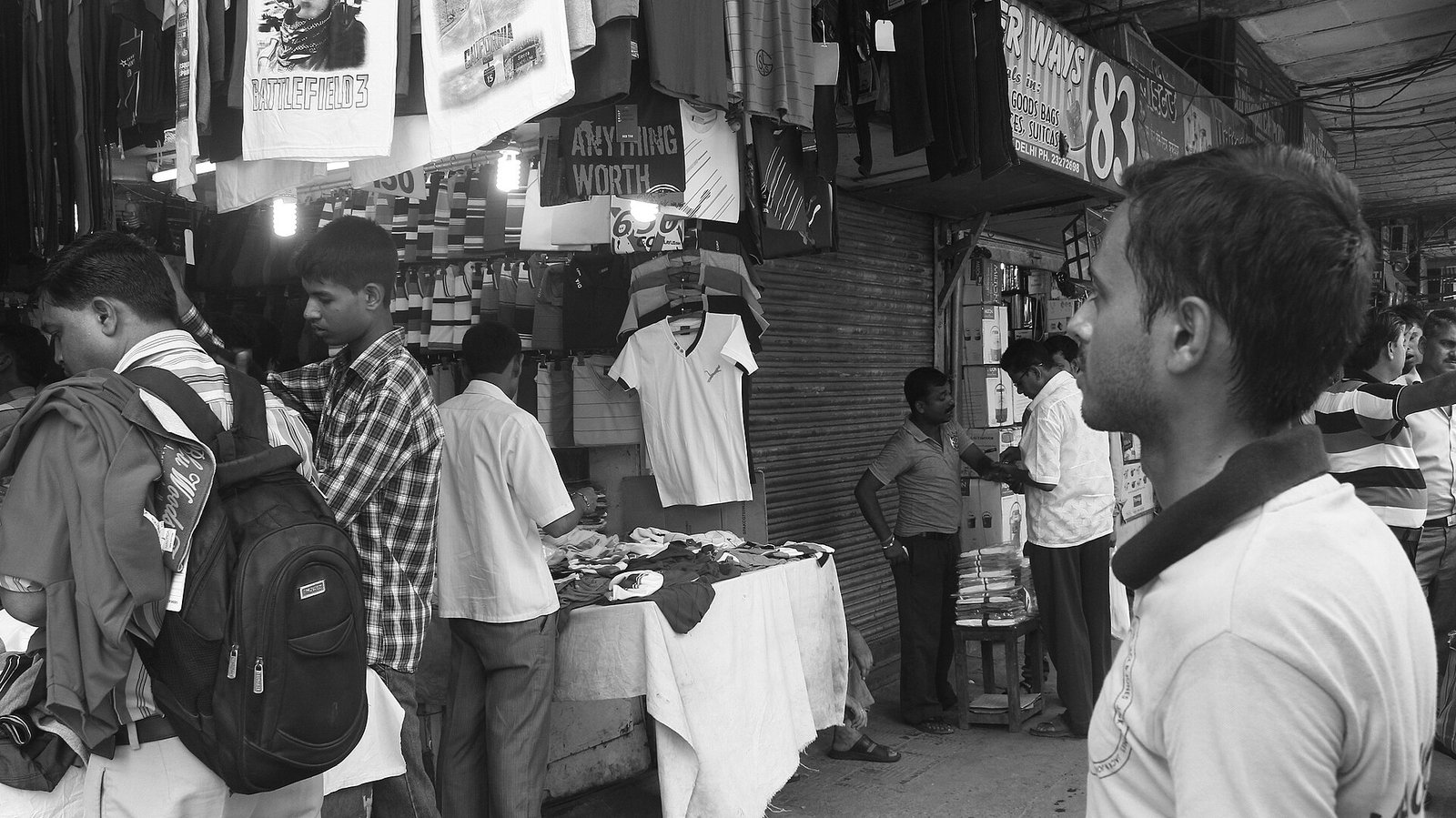
Here is the surprise that catches almost every first-time visitor: in India, a backpacker and a comfortable mid-range traveller can sit down to the same street-food lunch for about ₹150 (roughly $1.60). The food is not what separates a $30 day from a $150 day. The bed is — and then the way you move between cities. Once you understand those two levers, the whole trip becomes easy to price, and India stays one of the cheapest rewarding destinations on earth: a careful backpacker can travel well on about $25–45 a day, a comfortable mid-range trip runs about $45–120 a day, and a heritage-hotel trip with a private driver starts around $120 a day and climbs from there. International flights sit on top of all of it, and they are usually the single biggest line in the budget.
This guide prices every part of an India trip in rupees with dollar equivalents, from 2026 sources checked in November 2026. Where a price comes from an official source — the Taj Mahal's ASI ticketing page, the government's e-Visa fee table, the Railway Minister's statement to Parliament — we say so. Where a figure is a typical range drawn from several 2026 guides, we label it a typical range. We do not copy old guidebook price lists: the best-known printed list is from September 2024 and even contains an internally wrong dollar figure, so none of its prices appear here.
How much does a trip to India cost? The short answer
| Budget / backpacker | ₹2,400–4,300 per person, per day (about $25–45) |
| Mid-range | ₹4,300–11,500 per person, per day (about $45–120) |
| Luxury / comfort | ₹11,500–28,500+ per person, per day (about $120–300+) |
| 7 days, mid-range | About ₹30,000–80,000 ($320–850) on the ground, per person |
| 14 days, mid-range | About ₹60,000–161,000 ($630–1,700) on the ground, per person |
| Not included above | International flights, e-Visa fee, travel insurance, shopping |
How to read the prices in this guide. All rupee figures are typical ranges for November 2026, cross-checked across several 2026 guides and, where stated, official sources. Dollar equivalents use roughly ₹95 to $1, the rate several November 2026 guides use; the rupee moves, so check a live converter before you travel. Daily budgets assume two people sharing a room — a solo traveller in a private room should add roughly 25–35%. Peak season (October to March, Diwali, Christmas–New Year) pushes hotel prices up, often 20–40% in the most popular cities; the monsoon and the hot summer months are cheaper.
India daily budget: budget, mid-range and luxury
The three tiers below are per person, per day, on the ground in India — room, food, local transport, a monument or two and small extras. They exclude international flights, the visa and travel insurance, which we price separately below.
| Style | Per day | What it buys |
|---|---|---|
| Budget / backpacker | ₹2,400–4,300 ($25–45) | Hostel dorm or simple guesthouse, thalis and street food, sleeper or 3AC trains, local buses, autos, a few monuments |
| Mid-range | ₹4,300–11,500 ($45–120) | Air-conditioned private room or 3-star hotel, sit-down restaurants, 2AC trains and some domestic flights, Uber and Ola, a guide now and then |
| Luxury / comfort | ₹11,500–28,500+ ($120–300+) | Heritage havelis and 4–5-star hotels, a car with driver, domestic flights, guided tours, cocktails and fine dining |
At the budget level, roughly 40% of the day goes on the bed, 25% on food, 20% on transport and the rest on entry fees. That split is why the tiers diverge so sharply: food and local transport barely change between tiers, while the room can cost ten times as much. A dorm bed and a palace suite are both "a night in India" — the difference between them is the whole budget.
One more thing the averages hide: the biggest single saving is travelling as two. A ₹3,000 private room split two ways is ₹1,500 each; a car with driver at ₹4,500 a day is ₹2,250 each for a couple and ₹1,125 each for four. Solo travellers pay the same room and the same car, alone.
Where you sleep: hotel and hostel prices in India
Rooms are where India is most dramatically cheap — and where prices vary most by city, season and standard. These are typical ranges for November 2026, per room per night, before the GST explained below.
| Stay | Typical range per night | What to expect |
|---|---|---|
| Hostel dorm bed | ₹500–1,200 ($5–13) | Cheapest in Goa and small towns; dearer in Mumbai and Delhi |
| Budget guesthouse, private room | ₹1,200–2,500 ($13–26) | Fan or basic AC, attached bathroom, often family-run |
| Mid-range hotel (3-star) | ₹2,500–6,000 ($26–63) | AC, breakfast often included, reliable Wi-Fi, in-city locations |
| Good 4-star / boutique heritage | ₹6,000–15,000 ($63–160) | Character hotels, havelis, pool, restaurant on site |
| 5-star / palace hotel | ₹15,000–50,000+ ($160–530+) | Top-end city hotels and palace stays; suites far higher |
Tax: since the GST changes of September 2025, rooms priced up to ₹7,500 a night carry 5% GST and rooms above that 18% (rooms under ₹1,000 are GST-free). Booking sites usually show the tax before checkout — check the final total, not the headline rate. Booking tip: in the big cities, a clean budget room in Delhi runs roughly $13–22 a night and a mid-range 3–4-star about $25–40, according to 2026 booking-site checks; airport-area 4-stars in Delhi's Aerocity run higher, around $50–55. Book the first two nights before you fly, then book ahead city by city — walk-in rates at good guesthouses are rarely better than an advance online price in peak season.
Food costs in India: thali, street food and restaurants
Food is the happiest line in any India budget. A full meal rarely costs more than a coffee back home, and the cheapest food is often the best — a thali served on a steel plate in a busy dhaba beats a hotel buffet at ten times the price.
| Meal | Typical range | Notes |
|---|---|---|
| Chai from a stall | ₹10–30 ($0.10–0.30) | Roadside cutting chai; café chai costs far more |
| Street snack (samosa, vada pav, chaat) | ₹20–100 ($0.20–1.05) | Busy stalls with high turnover are the safest bet |
| Thali or street-food meal at a dhaba | ₹80–200 ($0.85–2.10) | A full plate: rice, dal, vegetables, bread, sometimes a sweet |
| Sit-down regional thali | ₹300–800 ($3.20–8.40) | Rajasthani, Gujarati or South Indian thali in a proper restaurant |
| Mid-range restaurant dinner | ₹600–1,500 per person ($6–16) | Mains, bread, a drink; more in Mumbai and Delhi's smart areas |
| Fine dining | ₹2,500+ per person ($26+) | Top Delhi and Mumbai restaurants; tasting menus higher |
| Bottled water (1 litre) | ₹20–30 ($0.20–0.30) | Buy sealed bottles; check the seal |
| Beer in a bar | ₹200–500 ($2–5) | Alcohol is the one food-and-drink line that surprises visitors — taxed heavily, and banned in Gujarat and Bihar |
As a working rule, a budget traveller spends about ₹400–700 a day on food, mostly dhabas and street food with an occasional café coffee. A mid-range traveller spends roughly ₹1,000–2,000 a day, mixing dhaba lunches with sit-down dinners. Breakfast is often included in mid-range hotel rates, which quietly saves ₹200–400 a day.
Getting between cities: trains, flights and a car with driver
Intercity transport is the second lever on your total, after the room. Trains are the bargain and the experience; domestic flights save a day; a private car buys freedom at a daily rate. All three are worth pricing before you fix your route, because the choice changes the trip more than any other single decision.
Trains: the cheapest way to cross India
Indian Railways is among the cheapest rail systems in the world, and its fares are set by class and distance. The Railway Minister told Parliament in February 2026 that ordinary-class fares are 20 paise per km, and that a Vande Bharat chair-car journey costs about ₹2.19 per km. The new Vande Bharat sleeper, which began running in late 2026, charges ₹2.40 per km in 3AC before GST (₹3.10 in 2AC, ₹3.80 in First AC), with a 400 km minimum — so the lowest sleeper fare is ₹960 in 3AC. A real example: the Bengaluru–Mumbai Vande Bharat sleeper costs ₹2,810 in 3AC for 1,117 km, against ₹1,475 in 3AC on the older Udyan Express on the same route. Rajdhani trains charge roughly ₹2.10 per km in 3AC. Sleeper class (non-AC) on an ordinary express costs far less than 3AC, but foreign visitors usually prefer the AC classes for comfort and security. Book on IRCTC (irctc.co.in) as early as you can — popular routes sell out weeks ahead, and there is a Foreign Tourist Quota that reserves confirmed berths on many trains. For the full how-to, see our India train booking guide.
Domestic flights
A one-hour flight replaces an overnight train or a full day on the road, and on longer hops it is often the sensible buy. Typical domestic fares run about ₹4,000–7,000 for a one-way hop such as Delhi–Varanasi or Jaipur–Udaipur when booked a few weeks ahead; the cheapest Bengaluru–Mumbai fare found in early November 2026 was ₹4,178. Book early, fly midweek, and remember that low-cost carriers charge extra for checked bags and seat selection — the headline fare is rarely the final fare.
Car with driver: what it costs per day
Hiring a car with a driver is the classic way to tour Rajasthan and the Golden Triangle, and it is the one transport cost visitors most often under-budget. Typical all-inclusive rates for multi-day outstation trips in 2026, from operator rate guides:
| Vehicle | Typical all-inclusive rate per day | Best for |
|---|---|---|
| Sedan (Dzire, Etios or similar) | ₹4,000–5,000 ($42–53) | Couples, Golden Triangle, short Rajasthan loops |
| SUV (Innova / Innova Crysta) | ₹6,000–7,500 ($63–79) | Families, hill stations, longer circuits |
| Tempo Traveller (9–12 seater) | ₹8,500–10,500 ($89–110) | Groups of 6–10 travelling together |
Those rates usually assume a daily limit of 200–250 km and include the car, driver, fuel, tolls and basic road taxes when you book a clear all-inclusive package. What to check before you agree: whether the driver's food and overnight stay are included (often a separate ₹300–700 a day if not), the charge for extra kilometres (about ₹12–25 per km depending on the car), parking, and interstate taxes. A lower headline rate that adds all of these separately is usually worse value than a higher all-inclusive one. For city-only hire, an 8-hour / 80 km package in a Tier-1 city runs roughly ₹2,500–3,500 for a compact sedan and ₹4,500–7,000 for an Innova.
Getting around cities: metro, auto-rickshaw, Uber and Ola
| Mode | Typical cost | Notes |
|---|---|---|
| Delhi Metro, single ride | ₹10–60 ($0.10–0.63) | By distance; the cheapest, fastest way across Delhi |
| Delhi Metro Tourist Card | ₹200 for 1 day / ₹500 for 3 days | Unlimited rides; includes a ₹50 refundable deposit |
| Airport Express Metro (Delhi) | ₹60 ($0.63) | New Delhi station to Terminal 3 in about 20 minutes |
| City bus | ₹10–25 ($0.10–0.26) | Cheapest of all; routes can be hard to read for visitors |
| Auto-rickshaw, short ride | ₹30–150 ($0.30–1.60) | Negotiate before you get in; meters are often refused |
| Uber / Ola, short city ride | ₹100–300 ($1–3.20) | Fixed price in the app; the best benchmark for haggling |
| Uber / Ola, airport to central Delhi | ₹400–700 ($4.20–7.40) | Cheaper than most prepaid airport taxis |
| Cycle rickshaw, short hop | ₹20–50 ($0.20–0.53) | Cash only; old-city lanes |
A day of metro plus a couple of app autos costs about ₹200–400 per person. The single best money habit in any Indian city: check the Uber or Ola price for your journey before you talk to an auto driver, and use it as your benchmark. Rapido, the bike-taxi and auto app, sets the auto fare before the driver arrives and solves the broken-meter problem in many cities.
Entry fees, guides and activities
Foreign visitors pay more than Indian visitors at ticketed monuments — sometimes many times more — and this is the cost that surprises people most. The figures below are the official ASI rates checked in October–November 2026.
| Site / activity | Foreign visitor fee | Notes |
|---|---|---|
| Taj Mahal, complex entry | ₹1,100 ($11.60) | Plus ₹200 optional for the main mausoleum (₹1,300 total); ₹50 off online; closed Fridays; under-15s free |
| Other top ASI monuments | ₹600 ($6.30) | Agra Fort, Fatehpur Sikri, Humayun's Tomb and similar; Indians pay ₹40–50 |
| Most temples, mosques, ghats | Free | Donations welcome; shoe-minders and camera fees are small |
| National parks (e.g. Ranthambore, Kaziranga) | ₹1,000–2,000+ per safari | Varies by park, zone and season; jeep hire is usually extra — we could not verify a single current all-in figure, so check the park's booking page |
| Local guide, half day | ₹1,000–2,500 ($10–26) | Typical range; licensed guides at major sites cost more |
| Yoga class / cooking class | ₹500–2,000 ($5–21) | Drop-in classes in Rishikesh, Jaipur and Kerala |
Budget roughly ₹500–1,500 a day for sightseeing on a monument-heavy route, less on beach or hill days. One practical note: the Taj Mahal's online discount (₹50 off each foreign ticket) and the under-15s-free rule are real and worth using — book on the ASI's own channels (asiagracircle.in or tajmahal.gov.in), not a reseller.
SIM cards, staying connected and what it costs
Connectivity in India is famously cheap — a month of data costs less than a day of roaming from most home carriers. A local prepaid SIM on Airtel or Jio costs about ₹299–349 (roughly $3.15–3.70) for 28 days with 1.5–2 GB of data a day and unlimited domestic calls, according to the carriers' own plan pages checked in October 2026. Airtel is usually the easiest for tourists, with kiosks inside the international arrivals halls at Delhi, Mumbai and Bengaluru; Jio has the widest 5G network but is harder for foreign visitors to register. You will need your passport, visa and hotel address, and activation can take hours. Airport kiosks charge more for the same plan — roughly ₹800–1,000 — so a city store is cheaper if you can wait a day. A travel eSIM installed before you fly costs about $15–25 for 20 GB over 30 days: several times the local price, but it works the moment you land. Our first-timer starter kit covers the SIM paperwork in detail.
Cash, UPI and cards: how much money to carry in India
India runs on three payment systems at once, and visitors need two of them: cards and cash. The third — UPI, the QR-code system behind every chai stall and auto driver — is the one most visitors cannot easily join, because it normally needs an Indian bank account and an Indian mobile number linked to it. Some foreigner routes exist in 2026 (international UPI wallets linked to a foreign Visa or Mastercard, and prepaid travel wallets sold at airports), but they are fiddly, the limits are low, and most visitors will not bother. The practical answer is cash for the UPI economy: when a vendor shows a QR code and you cannot scan it, offer the equivalent in rupees. They will always take it.
- Cards: Visa and Mastercard work at hotels, malls, chain restaurants, larger shops and most tourist businesses in cities. Bring a card with no foreign-transaction fee, and keep a backup card separately from the first.
- Cash on hand: carry about ₹2,000–5,000 ($21–53) in notes at any time, topped up every two or three days. That covers autos, street food, markets, temple donations and tips. Small notes are gold — nobody ever has change for a ₹500 note for a ₹20 chai. The ₹2,000 note was withdrawn in 2023 and can no longer be spent; refuse one if offered as change.
- ATMs: everywhere in cities; most cap a single foreign-card withdrawal at ₹10,000–15,000 (a few HDFC machines allow ₹20,000), and the machine charge is typically ₹150–250 plus whatever your own bank adds. Withdraw ₹10,000 at a time rather than in small amounts, to limit fees.
- For a two-week trip: plan on having the equivalent of $150–250 in rupees in cash at any given time, and pay the rest by card — do not try to carry a whole trip's cash. You cannot legally buy rupees at your home bank before departure in most countries, so plan for on-arrival exchange or an airport ATM.
- Exchange: airport money changers are acceptable for a first ₹10,000 or so; banks and authorised changers in the city give better rates. Always check the final rate and service charge before accepting a conversion.
Tipping in India: what is expected
Tipping is modest and appreciated rather than obligatory. Round up taxi and auto fares; leave 5–10% in restaurants where a service charge is not already added (check the bill — many mid-range restaurants add 10%); give hotel porters ₹50–100 per bag and housekeeping ₹100–200 a day; tip a private driver ₹300–500 a day at the end of a multi-day trip, and a guide ₹200–500 for a half day. Keep small notes for all of it — tipping is one more reason the ₹100 note is the most useful denomination in India.
City vs small town vs rural: where your money goes furthest
The same trip costs a different amount depending on where you sleep. Mumbai, Delhi, Goa in peak season and Leh are the most expensive; small towns in the north and south are the cheapest. As a rule, add 20–40% to hotel prices in the big metros and in Goa at Christmas–New Year, and expect small-town prices to run 30–50% lower than the metros for the same standard of room.
| Place type | Budget day | Mid-range day | Why |
|---|---|---|---|
| Big metros (Mumbai, Delhi) | ₹3,000–5,000 ($32–53) | ₹7,000–12,000 ($74–126) | Rooms cost most; food and transport stay cheap |
| Tourist cities (Jaipur, Udaipur, Varanasi, Agra) | ₹2,400–4,300 ($25–45) | ₹4,300–11,500 ($45–120) | The national average; heritage hotels push the top up |
| Small towns & rural (Hampi, Orchha, Spiti villages) | ₹1,800–3,000 ($19–32) | ₹3,500–7,000 ($37–74) | Guesthouses are cheap; fewer restaurants and no metro |
| Goa, peak season (Dec–Jan) | ₹3,500–6,000 ($37–63) | ₹8,000–15,000 ($84–158) | Rooms double or more; shacks and scooters stay cheap |
| Ladakh (Leh, June–Sept) | ₹3,000–5,000 ($32–53) | ₹7,000–12,000 ($74–126) | Short season, everything trucked in; see our Ladakh trip cost guide for the full breakdown |
Before you go: visa, flights and insurance
These three sit outside the daily budget and are paid before you travel. The visa is the only one with a fixed official price; flights vary by the day.
| Item | Cost | Source / notes |
|---|---|---|
| e-Tourist visa, 30 days (US citizens) | $25 (July–March) / $10 (April–June) | Official fee table, indianvisaonline.gov.in; +3% bank charge |
| e-Tourist visa, 1 year (US citizens) | $40 | Official fee table; +3% bank charge |
| e-Tourist visa, 5 years (US citizens) | $160 | Official fee table; +3% bank charge — note some older guides still quote $80, which is out of date |
| Return flight, USA–India, economy | Roughly $700–1,800 | Typical range across 2026 guides; $900–1,600 is the most quoted band; Christmas and summer run higher — check live fares |
| Return flight, UK/Europe–India, economy | Roughly $400–1,000 | Typical range across 2026 guides; book 2–4 months ahead |
| Travel insurance | Get quotes; no single price | We found no verified standard premium to quote honestly — price depends on age, cover and home country. Buy before you fly; make sure it covers medical treatment and emergency evacuation |
Apply for the e-Visa only on indianvisaonline.gov.in — the only official site — at least 4 days before arrival, and 10–14 days ahead in practice. Our India e-Visa guide and our visiting India from the USA guide cover the application step by step.
Sample 7-day trip cost: the Golden Triangle
Seven days, Delhi–Agra–Jaipur, per person, two sharing a room, excluding international flights, visa and insurance. Intercity transport is included in the daily rates (trains and a car for the Agra–Jaipur leg); a domestic flight would add about ₹4,000–7,000.
| 7 days | Budget | Mid-range | Luxury |
|---|---|---|---|
| Rooms (6 nights) | ₹7,200–15,000 | ₹15,000–36,000 | ₹36,000–90,000 |
| Food | ₹2,800–4,900 | ₹7,000–14,000 | ₹14,000–25,000 |
| Local + intercity transport | ₹4,000–7,000 | ₹6,000–12,000 | ₹28,000–35,000 (car with driver) |
| Entry fees, guides, SIM, tips | ₹3,000–5,000 | ₹5,000–10,000 | ₹10,000–20,000 |
| Total on the ground | ₹17,000–30,000 ($180–320) | ₹30,000–80,000 ($320–850) | ₹80,000–200,000 ($850–2,100) |
Check the arithmetic against the daily ranges: seven days at ₹2,400–4,300 is ₹16,800–30,100, so the budget total above is consistent. The mid-range spread is wide because the tier itself is wide — a 3-star in Jaipur and a boutique haveli in Udaipur are both "mid-range" in different guides. If your 7-day quote from a tour company is far outside these bands, ask what it includes: a quote that bundles hotels, car and guides can look expensive against the daily rate and still be fair.
Sample 14-day trip cost: Golden Triangle plus one more region
Fourteen days — Delhi, Agra, Jaipur, then Udaipur or Varanasi, or a few days in Kerala — per person, two sharing, excluding international flights, visa and insurance. The totals are the daily rates multiplied out, plus one domestic flight of about ₹4,000–7,000 in the mid-range and luxury columns, where a flight is the normal way to add the second region.
| 14 days | Budget | Mid-range | Luxury |
|---|---|---|---|
| On-the-ground total | ₹34,000–60,000 ($360–630) | ₹60,000–161,000 ($630–1,700) | ₹161,000–399,000 ($1,700–4,200) |
| Add: e-Visa (US, 30-day) | $25 | $25 | $25 |
| Add: return flight from the USA | $700–1,800 | $700–1,800 | $700–1,800 |
| All-in, from the USA | About $1,100–2,500 | About $1,400–3,500 | About $2,500–6,000+ |
Those all-in bands line up with what 2026 guides report: a comfortable two-week trip from the USA at roughly $2,800–3,500 all-in sits inside our mid-range band, and a careful two-week backpacking trip at roughly $500–800 on the ground sits inside our budget band. The single biggest variable in every band is the international flight — a $700 fare and a $1,800 fare change the total more than a fortnight of thalis.
How to spend less without travelling worse
- Travel in the shoulder season. Late September, April and early October bring lower hotel prices and thinner crowds; the north Indian summer (May–June) is cheapest of all, but brutally hot.
- Take the train, not the flight, under 500 km. Delhi–Agra, Delhi–Jaipur and Mumbai–Pune are all train journeys where the sleeper or chair car costs a fraction of flying once airport time is counted.
- Eat where the queue is. The dhaba with a line of local families is cheaper and usually better than the empty restaurant with a printed English menu and a view.
- Share the fixed costs. Rooms and cars split; travelling as two cuts the per-person cost of both by half.
- Book the first nights, not the whole trip. Advance prices are best in peak season, but holding every night hostage to a fixed plan costs you the cheaper guesthouse you would have found by asking around.
- Carry small notes and a no-fee card. ATM fees and bad exchange rates are a quiet tax of ₹150–250 per withdrawal and 2–3% per card payment — avoidable with the right card.
- Skip the "tourist" price. At monuments the foreigner fee is official and unavoidable; everywhere else — autos, markets, unmetered taxis — the first price is a starting point, and the Uber app is your benchmark.
The three mistakes that blow an India budget. (1) Treating the daily rate as the whole trip and forgetting the international flight, which is usually the biggest line. (2) Booking a car with driver on a per-km quote without asking what is excluded — tolls, parking, the driver's stay and extra kilometres can add 30% or more. (3) Carrying one card and no cash: the card machine fails, the ATM eats the card, or the only chai stall for miles takes cash — and suddenly the cheapest country on the trip feels expensive.
Frequently Asked Questions
How much does a trip to India cost per day?
Budget travellers manage on about ₹2,400–4,300 ($25–45) a day, mid-range travellers on about ₹4,300–11,500 ($45–120) a day, and luxury travellers on ₹11,500 ($120) a day and up — per person, sharing a room, excluding international flights and the visa. Food and local transport barely change between tiers; the room is what moves the total.
How much does a 2-week trip to India cost?
On the ground, about ₹34,000–60,000 ($360–630) for a budget trip, ₹60,000–161,000 ($630–1,700) mid-range, or ₹161,000–399,000 ($1,700–4,200) luxury, per person sharing a room. Add the e-Visa ($25 for a 30-day US visa) and international flights (roughly $700–1,800 return from the USA) for the all-in total.
Is India expensive for tourists?
No — India is one of the cheapest rewarding destinations in the world for food, rooms and transport. A thali costs ₹80–200, a metro ride ₹10–60, and a budget room ₹1,200–2,500 a night. The costs that surprise visitors are the foreigner prices at monuments (₹1,100 for the Taj Mahal, ₹600 at other top sites), alcohol in bars, and a private driver if you tour alone.
How much money should I take to India for 2 weeks?
Carry the equivalent of $150–250 in rupees in cash at any given time, topped up from ATMs as you go, and pay hotels, bigger restaurants and larger purchases by card. Keep about ₹2,000–5,000 in notes on you day to day for autos, street food, markets and tips. Do not carry a whole trip's cash at once.
Can foreign tourists use UPI in India?
Usually not easily. UPI normally needs an Indian bank account and an Indian mobile number linked to it. Some international UPI wallets and prepaid travel wallets for foreigners exist in 2026, but they are fiddly with low limits. Plan on cards plus cash — every vendor who shows a QR code will also take rupees.
How much does a trip to India cost from the USA?
All-in for two weeks, roughly $1,100–2,500 budget, $1,400–3,500 mid-range, or $2,500–6,000+ luxury, per person. The return flight from the USA (roughly $700–1,800 in economy) is the biggest single line, followed by hotels; on-the-ground spending for two weeks mid-range is about $630–1,700.
How much is a thali or street-food meal in India?
A thali or street-food meal at a busy local dhaba costs about ₹80–200 ($0.85–2.10). A sit-down regional thali in a proper restaurant runs ₹300–800, and a mid-range restaurant dinner about ₹600–1,500 per person. Street snacks like samosa or vada pav cost ₹20–100.
How much does a car with driver cost in India per day?
For multi-day outstation trips, a sedan with driver typically costs ₹4,000–5,000 a day all-inclusive, an Innova or similar SUV ₹6,000–7,500, and a 9–12-seater Tempo Traveller ₹8,500–10,500. Check whether fuel, tolls, parking and the driver's food and stay are included, and the charge for extra kilometres (about ₹12–25 per km).
How much is a train ticket in India?
It depends on class and distance. Ordinary class costs about 20 paise per km. The Vande Bharat sleeper charges ₹2.40 per km in 3AC before GST, with a 400 km minimum fare of ₹960 — the Bengaluru–Mumbai sleeper costs ₹2,810 in 3AC. Rajdhani trains charge roughly ₹2.10 per km in 3AC. Check the final fare, including GST, on IRCTC for your route and date.
Is $50 a day enough in India?
Yes, comfortably, for a mid-range traveller outside the most expensive hotels: $50 a day is about ₹4,750, which covers a budget guesthouse or a share of a mid-range room, dhaba and restaurant meals, metro and app cabs, and a monument or two. It is tight for a solo traveller in a private mid-range room in Mumbai or Delhi in peak season, and it does not include international flights or the visa.
Every Place. Every Flavour.
Budget set? Now plan the route. Beauty of Bharat covers all 36 states and union territories: 550+ destinations, offbeat places and regional dishes, each with its own full guide.
Explore all 36 states More travel guides