
Food Atlas · West Bengal
Sandesh: Bengal's delicate fresh-curd sweet

By Beauty of Bharat — India travel guide, every place, every flavour.
Guides covering all 36 States and UTs, researched from official sources and checked at publish time. Corrections welcome — see About Beauty of Bharat.
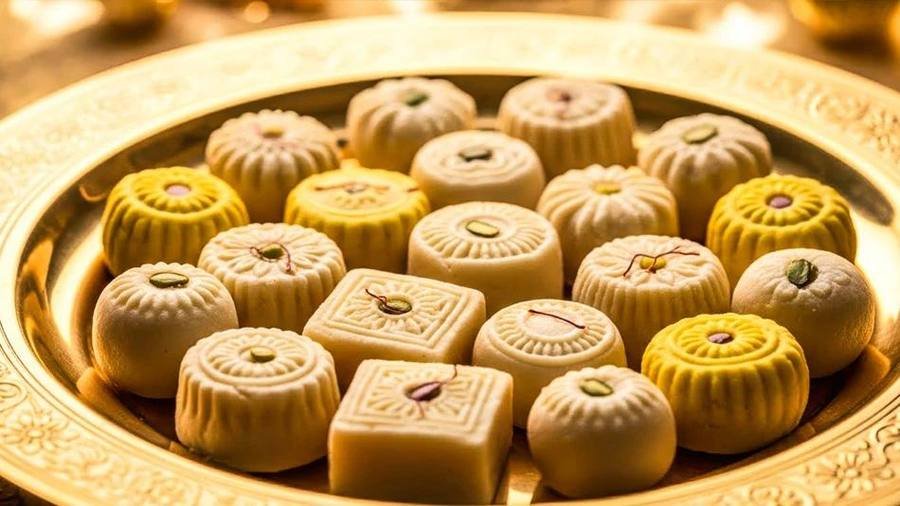
To understand the table in West Bengal, begin with Sandesh: a dish whose flavour carries the state's ingredients and habits in miniature. A light sweet made from fresh chhena, curd cheese, kneaded with sugar and shaped or moulded, sometimes gently cooked.
A detail worth knowing before the first bite: sandesh is made from chhena, not khoya, which keeps it light and perishable. Keep that in mind as you read on, because Sandesh rewards eaters who notice how West Bengal seasons, serves and shares its food.
Sandesh at a Glance
| State / UT | West Bengal |
| Capital / base | Kolkata |
| What it is | A light sweet made from fresh chhena, curd cheese, kneaded with sugar and shaped or moulded, sometimes gently cooked |
| Main ingredients | chhena, sugar or date jaggery, cardamom, pistachio, saffron and rose water |
| Taste | Milky, delicately sweet and clean, far lighter than khoya sweets, with jaggery versions tasting of caramel and smoke |
| Texture | Soft, smooth and melt-away, ranging from tender raw styles to slightly firmer cooked ones |
| Usually eaten | Eaten as a sweet after meals, gifted in boxes, and offered at pujas and family celebrations |
| Occasion | A year-round festive sweet in West Bengal, with jaggery sandesh a winter specialty |
The Story on West Bengal’s Table
Sandesh showcases Bengal's mastery of chhena, the fresh curd cheese behind many of its sweets. Kolkata's sweet makers developed countless moulded forms and flavours, and in winter the arrival of nolen gur, fresh date-palm jaggery, turns sandesh into the season's most anticipated confection across West Bengal. That context is essential in West Bengal, where a plate can signal a harvest, a religious calendar, a market habit or the meeting of communities. Sandesh belongs in this atlas under West Bengal because this is the setting in which its ingredients, accompaniments and meaning come together.
The state guide places Sandesh alongside Macher jhol, Shorshe ilish and Kosha mangsho. Start with the West Bengal travel and food guide if you are planning where this tasting fits into a route.
Taste, Texture and Ingredients
Expect milky, delicately sweet and clean, far lighter than khoya sweets, with jaggery versions tasting of caramel and smoke. Think soft, smooth and melt-away, ranging from tender raw styles to slightly firmer cooked ones.
The ingredient list is best read as a structure rather than a shopping list: chhena, sugar or date jaggery, cardamom, pistachio, saffron and rose water.
How Sandesh Is Made
Fresh chhena is kneaded smooth with sugar, then either shaped raw for soft sandesh or cooked briefly for firmer types. The paste is pressed into carved moulds and garnished. Good versions are built patiently, with each stage adding aroma, body or contrast.
When Sandesh is made for a gathering, that timing also becomes social — food reaches the table as part of a shared rhythm, not as an isolated plate.
When and How It Is Eaten
Eaten as a sweet after meals, gifted in boxes, and offered at pujas and family celebrations. Its natural moment is a year-round festive sweet in West Bengal, with jaggery sandesh a winter specialty.
West Bengal’s broader food culture helps explain the serving style. The state is known for culture, tea and wildlife, and its calendar includes Durga Puja and Poila Boishakh.
Where to Try It in West Bengal
Visit established Kolkata sweet houses for moulded sandesh, especially during the winter jaggery season. The most convincing first plate usually comes from paying attention to where local people already eat.
Sandesh pairs naturally with time in Kolkata and Darjeeling, and can sit just as comfortably beside a quieter excursion to Bishnupur or Shantiniketan.
More Dishes of West Bengal
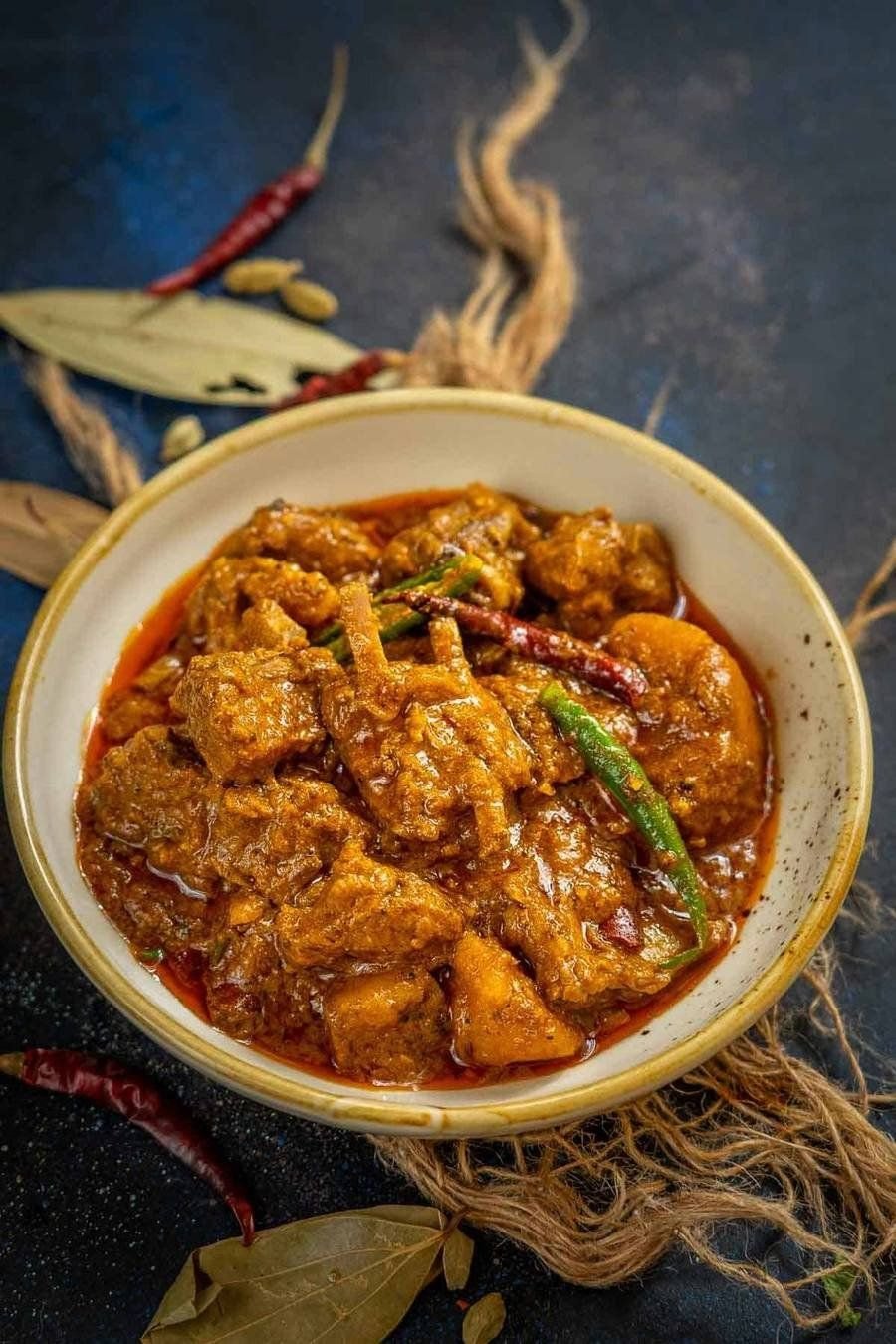
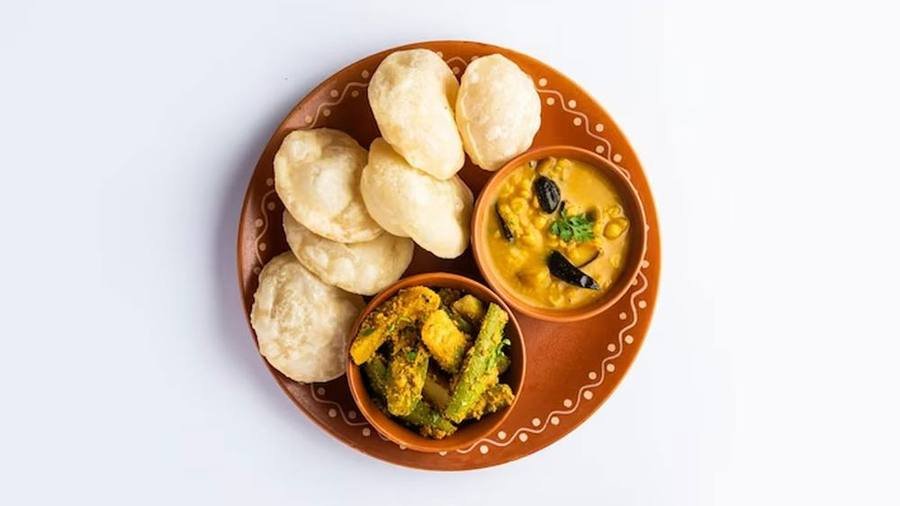
Continue through West Bengal’s other signature plates and drinks below — each has its own page, photograph and story.



Frequently Asked Questions
What is Sandesh?
A light sweet made from fresh chhena, curd cheese, kneaded with sugar and shaped or moulded, sometimes gently cooked. Expect milky, delicately sweet and clean, far lighter than khoya sweets, with jaggery versions tasting of caramel and smoke.
What are the main ingredients in Sandesh?
The defining ingredients or components are chhena, sugar or date jaggery, cardamom, pistachio, saffron and rose water. Fresh chhena is kneaded smooth with sugar, then either shaped raw for soft sandesh or cooked briefly for firmer types. The paste is pressed into carved moulds and garnished.
What does Sandesh taste like?
Expect milky, delicately sweet and clean, far lighter than khoya sweets, with jaggery versions tasting of caramel and smoke. Think soft, smooth and melt-away, ranging from tender raw styles to slightly firmer cooked ones. Serving pattern: Eaten as a sweet after meals, gifted in boxes, and offered at pujas and family celebrations.
When is Sandesh eaten in West Bengal?
A year-round festive sweet in West Bengal, with jaggery sandesh a winter specialty. Nolen gur sandesh is available only in the cold months when date sap is collected.
Where can I try Sandesh in West Bengal?
Visit established Kolkata sweet houses for moulded sandesh, especially during the winter jaggery season. Pair a first tasting with Macher jhol and Shorshe ilish to see how Sandesh sits within the wider West Bengal table.
Every Place. Every Flavour.
Sandesh is one of 6 dishes and drinks profiled from West Bengal — and one of 213 regional dishes across all 36 states and union territories in this atlas.
Open the West Bengal guide Read the blog