
Food Atlas · Telangana
Hyderabadi biryani: Dum-cooked pride of Hyderabad

By Beauty of Bharat — India travel guide, every place, every flavour.
Guides covering all 36 States and UTs, researched from official sources and checked at publish time. Corrections welcome — see About Beauty of Bharat.
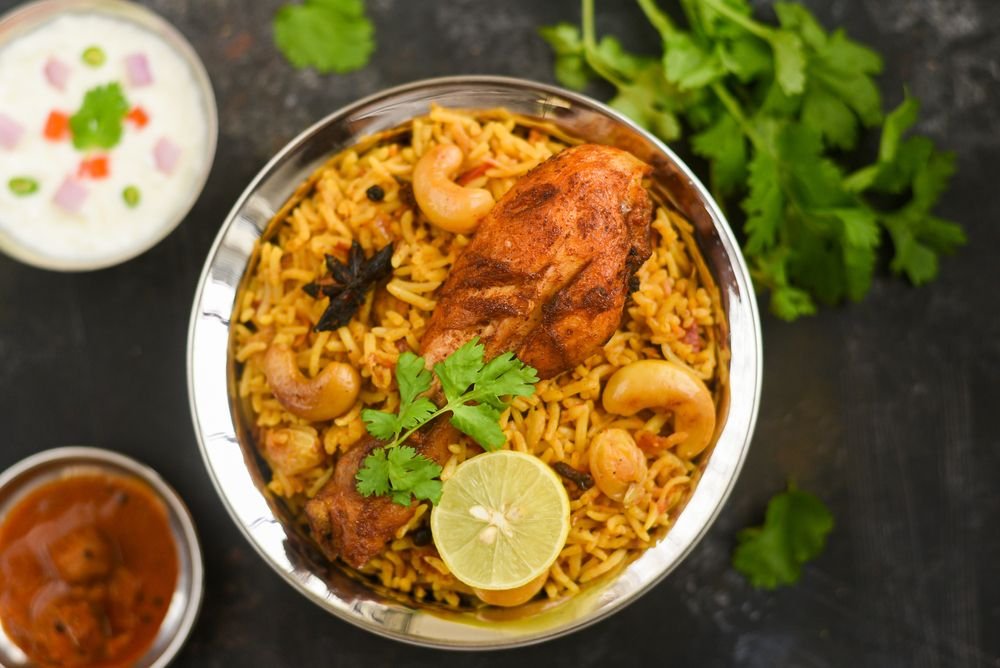
To understand the table in Telangana, begin with Hyderabadi biryani: a dish whose flavour carries the state's ingredients and habits in miniature. A layered rice dish of basmati and marinaded meat cooked together on dum, the defining biryani of Hyderabad in Telangana.
A detail worth knowing before the first bite: kacchi and pakki are the two recognised Hyderabadi methods; kacchi is the more demanding. Keep that in mind as you read on, because Hyderabadi biryani rewards eaters who notice how Telangana seasons, serves and shares its food.
Hyderabadi biryani at a Glance
| State / UT | Telangana |
| Capital / base | Hyderabad |
| What it is | A layered rice dish of basmati and marinaded meat cooked together on dum, the defining biryani of Hyderabad in Telangana |
| Main ingredients | long-grain basmati rice, chicken or mutton, curd marinade with fried onions, saffron milk, mint and coriander and whole spices and ghee |
| Taste | Fragrant, warmly spiced and tangy from the marinade, with saffron and fried onion sweetness over savoury rice |
| Texture | Separate, long rice grains over tender meat, with crisp fried onions scattered through |
| Usually eaten | Served with mirchi ka salan and raita, traditionally eaten by hand from a shared platter or individual plates |
| Occasion | Festive, wedding and restaurant food in Hyderabad, and the city's most ordered speciality |
The Story on Telangana’s Table
Hyderabadi biryani grew in the kitchens of Hyderabad, shaped, by widely shared account, by the city's Nizam-era court culture blending local Telugu and Mughlai influences. Its kacchi form, where raw marinaded meat cooks with the rice, is the city's signature claim. In Telangana it is celebration food and civic pride in equal measure. That context is essential in Telangana, where a plate can signal a harvest, a religious calendar, a market habit or the meeting of communities. Hyderabadi biryani belongs in this atlas under Telangana because this is the setting in which its ingredients, accompaniments and meaning come together.
The state guide places Hyderabadi biryani alongside Haleem, Mirchi ka salan and Sarva pindi. Start with the Telangana travel and food guide if you are planning where this tasting fits into a route.
Taste, Texture and Ingredients
Expect fragrant, warmly spiced and tangy from the marinade, with saffron and fried onion sweetness over savoury rice. Think separate, long rice grains over tender meat, with crisp fried onions scattered through.
The ingredient list is best read as a structure rather than a shopping list: long-grain basmati rice, chicken or mutton, curd marinade with fried onions, saffron milk, mint and coriander and whole spices and ghee.
How Hyderabadi biryani Is Made
In the kacchi method, marinaded raw meat is layered with partly cooked rice, sealed and slow-cooked on dum so both finish together. A pakki version layers fully cooked meat instead. The pot is opened at serving so the aroma escapes at the table. Technique matters here: the same core ingredients can taste flat or vivid depending on how they are handled.
When Hyderabadi biryani is made for a gathering, that timing also becomes social — food reaches the table as part of a shared rhythm, not as an isolated plate.
When and How It Is Eaten
Served with mirchi ka salan and raita, traditionally eaten by hand from a shared platter or individual plates. Its natural moment is festive, wedding and restaurant food in Hyderabad, and the city's most ordered speciality.
Telangana’s broader food culture helps explain the serving style. The state is known for deccan heritage, food and forts, and its calendar includes Bathukamma and Bonalu.
Where to Try It in Telangana
Try it at a long-established Hyderabadi restaurant in Hyderabad, choosing the kacchi dum version. Do not reduce the search to the most famous address; freshness and context are better guides.
Hyderabadi biryani pairs naturally with time in Hyderabad and Warangal, and can sit just as comfortably beside a quieter excursion to Ramappa region or Ananthagiri Hills.
More Dishes of Telangana
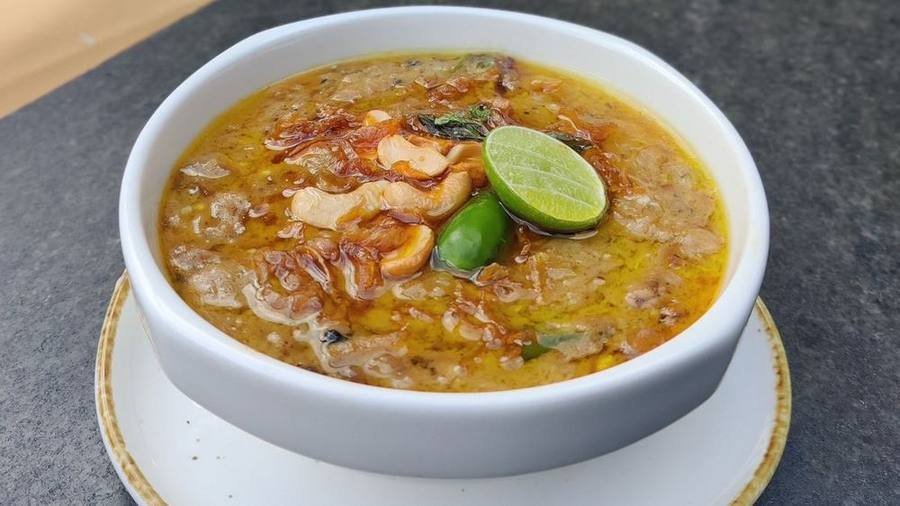
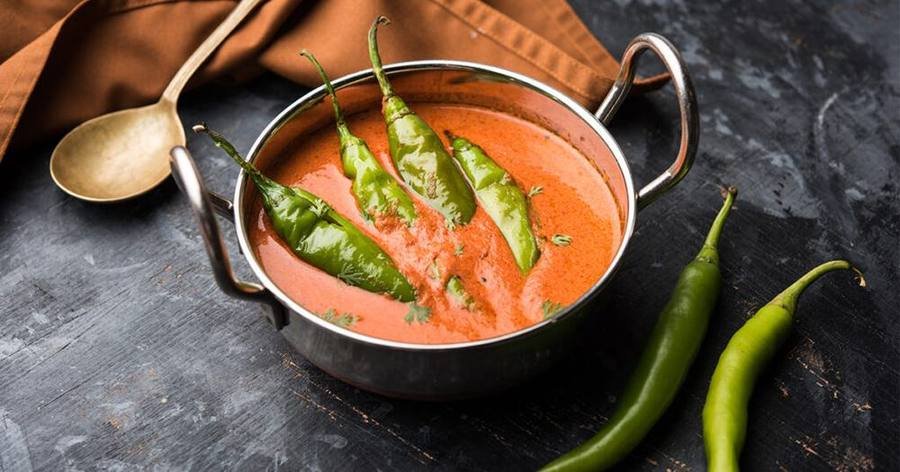
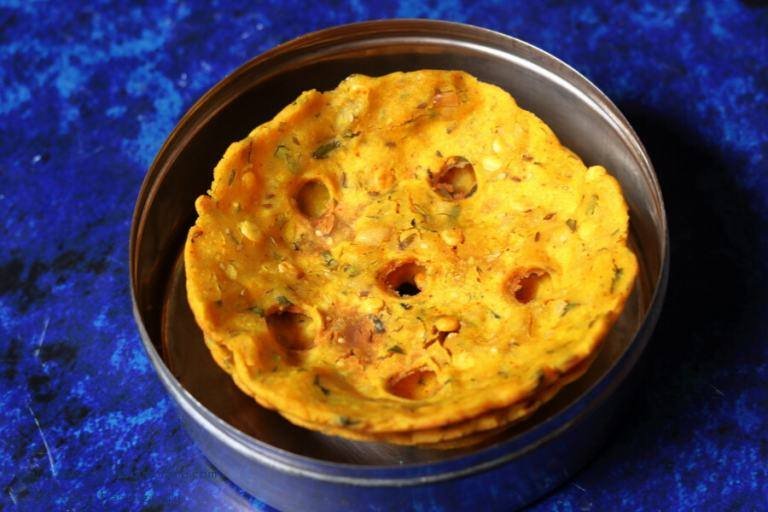
Continue through Telangana’s other signature plates and drinks below — each has its own page, photograph and story.

Frequently Asked Questions
What is Hyderabadi biryani?
A layered rice dish of basmati and marinaded meat cooked together on dum, the defining biryani of Hyderabad in Telangana. Expect fragrant, warmly spiced and tangy from the marinade, with saffron and fried onion sweetness over savoury rice.
What are the main ingredients in Hyderabadi biryani?
The defining ingredients or components are long-grain basmati rice, chicken or mutton, curd marinade with fried onions, saffron milk, mint and coriander and whole spices and ghee. In the kacchi method, marinaded raw meat is layered with partly cooked rice, sealed and slow-cooked on dum so both finish together. A pakki version layers fully cooked meat instead. The pot is opened at serving so the aroma escapes at the table.
What does Hyderabadi biryani taste like?
Expect fragrant, warmly spiced and tangy from the marinade, with saffron and fried onion sweetness over savoury rice. Think separate, long rice grains over tender meat, with crisp fried onions scattered through. Serving pattern: Served with mirchi ka salan and raita, traditionally eaten by hand from a shared platter or individual plates.
When is Hyderabadi biryani eaten in Telangana?
Festive, wedding and restaurant food in Hyderabad, and the city's most ordered speciality. Hyderabadi biryani is typically spicier and tangier than Lucknow's milder awadhi style.
Where can I try Hyderabadi biryani in Telangana?
Try it at a long-established Hyderabadi restaurant in Hyderabad, choosing the kacchi dum version. Pair a first tasting with Haleem and Mirchi ka salan to see how Hyderabadi biryani sits within the wider Telangana table.
Every Place. Every Flavour.
Hyderabadi biryani is one of 6 dishes and drinks profiled from Telangana — and one of 213 regional dishes across all 36 states and union territories in this atlas.
Open the Telangana guide Read the blog