
Food Atlas · Mizoram
Koat pitha: Banana, rice flour and jaggery, fried golden

By Beauty of Bharat — India travel guide, every place, every flavour.
Guides covering all 36 States and UTs, researched from official sources and checked at publish time. Corrections welcome — see About Beauty of Bharat.
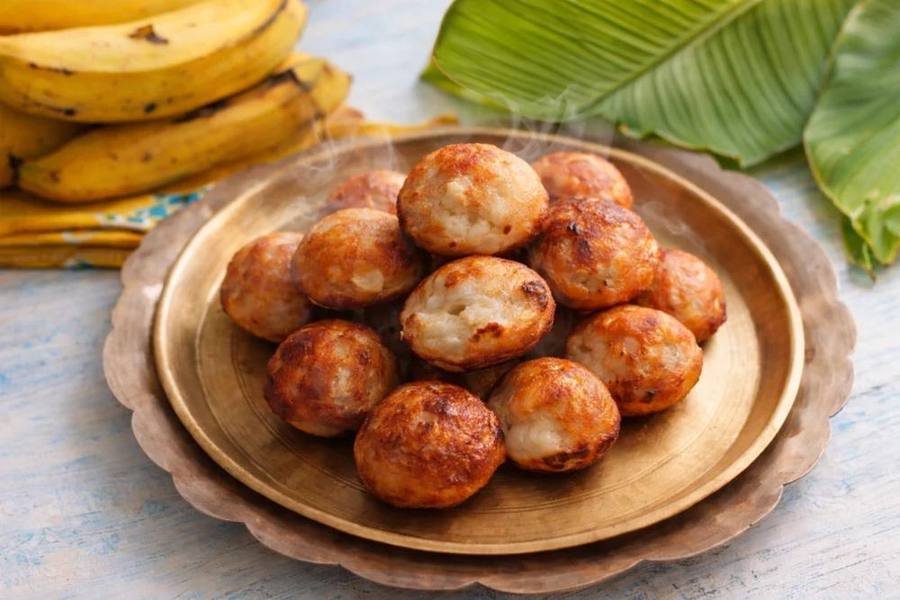
In Mizoram, Koat pitha is not just a menu entry; it is a clue to how the state cooks, celebrates and feeds people. A sweet fried fritter of rice flour batter with mashed banana and jaggery, made as a snack and festive treat in Mizoram.
A detail worth knowing before the first bite: ripe banana is essential — it sweetens, binds and flavours the batter. Keep that in mind as you read on, because Koat pitha rewards eaters who notice how Mizoram seasons, serves and shares its food.
Koat pitha at a Glance
| State / UT | Mizoram |
| Capital / base | Aizawl |
| What it is | A sweet fried fritter of rice flour batter with mashed banana and jaggery, made as a snack and festive treat in Mizoram |
| Main ingredients | rice flour, ripe banana, jaggery, water or milk to mix and oil for frying |
| Taste | Warmly sweet and fruity, banana and caramel jaggery flavours together, with a gentle toasty note from frying |
| Texture | Crisp, lacy edges around a soft, moist, slightly chewy centre |
| Usually eaten | Served as a tea-time snack or festive sweet, on its own in small portions |
| Occasion | Festive and home snack food, made for guests and celebrations |
The Story on Mizoram’s Table
Koat pitha belongs to the pitha family of rice-flour sweets found across eastern and Northeast India, with banana and jaggery the Mizo version's signature combination. It is home and festive cooking — made for celebrations, guests and tea — using the region's basic sweet ingredients of rice, banana and jaggery rather than wheat and refined sugar. That context is essential in Mizoram, where a plate can signal a harvest, a religious calendar, a market habit or the meeting of communities. Koat pitha belongs in this atlas under Mizoram because this is the setting in which its ingredients, accompaniments and meaning come together.
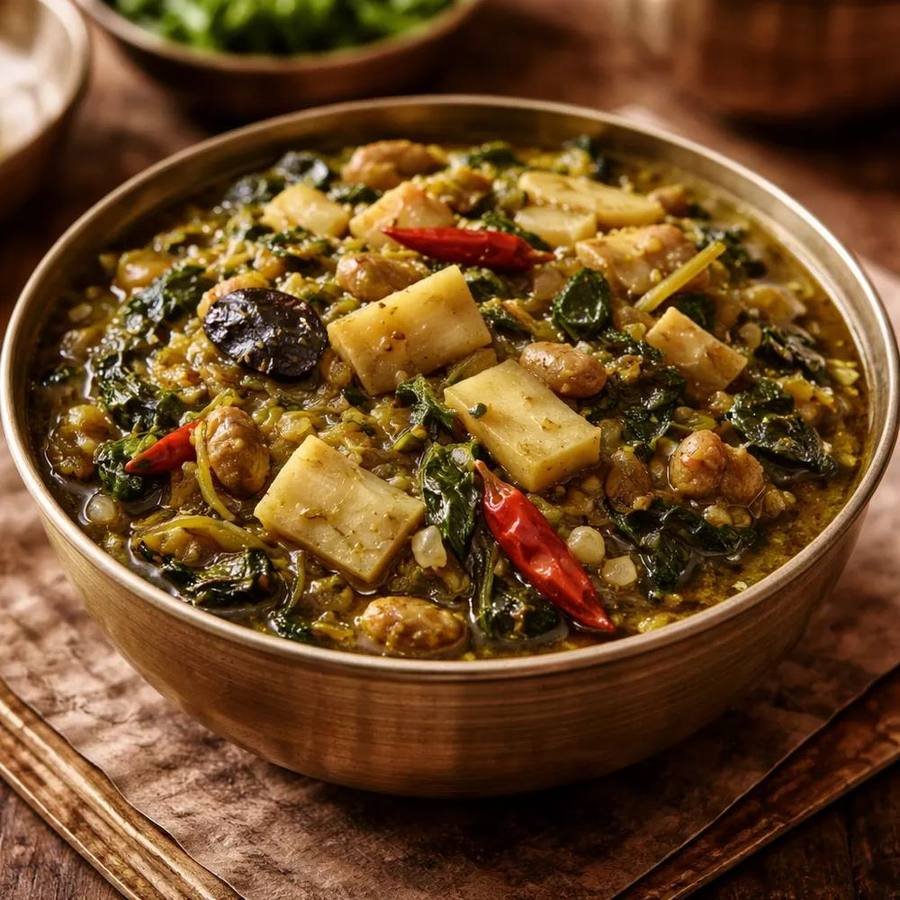
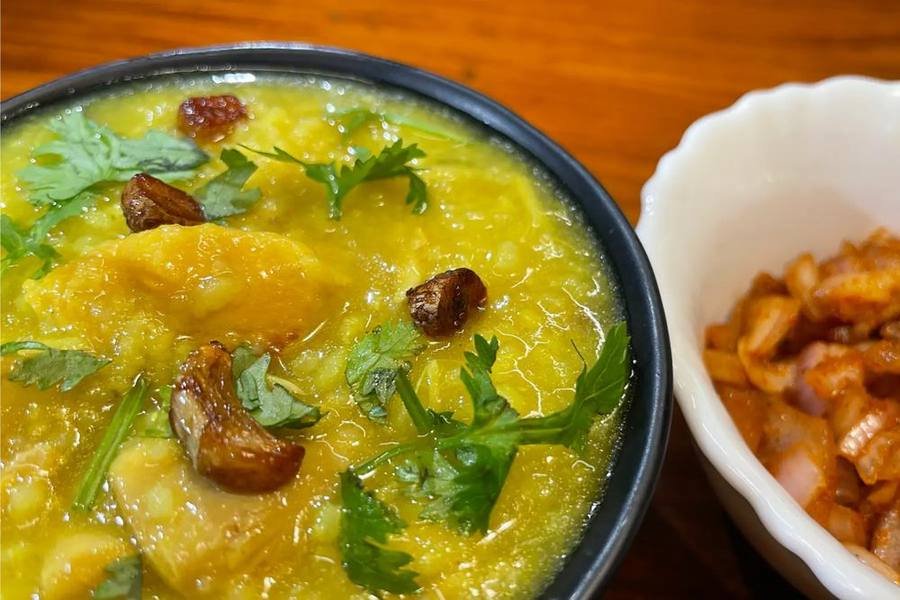
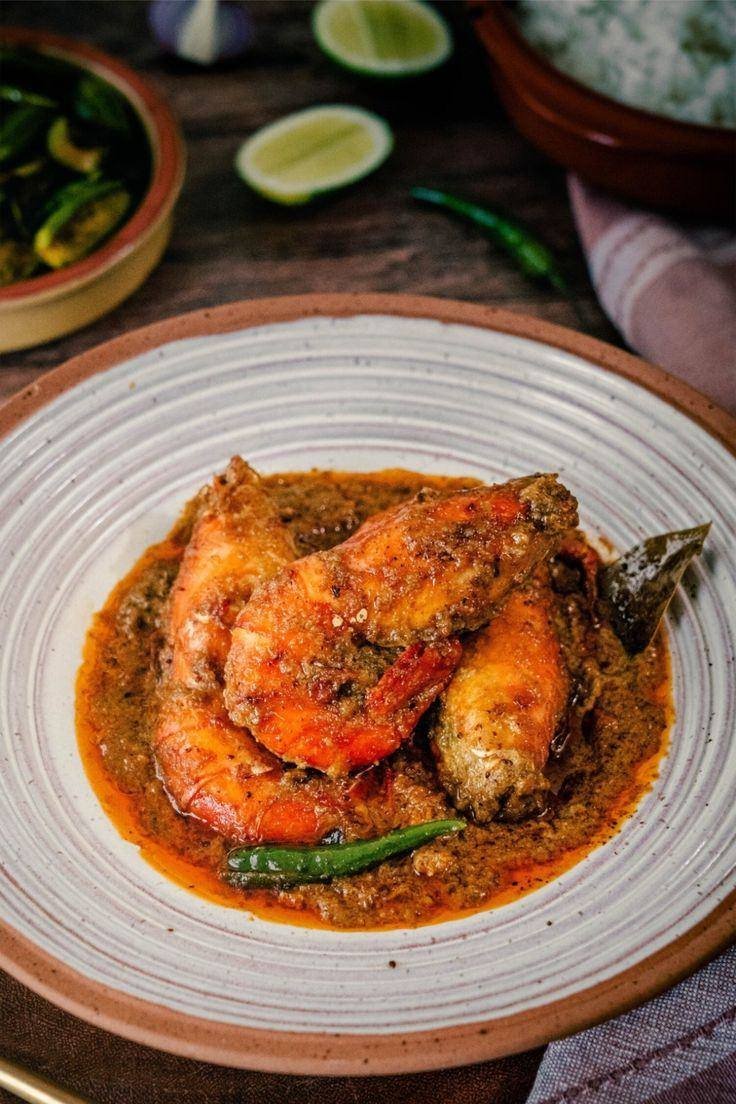
The state guide places Koat pitha alongside Bai, Sawhchiar and Misa mach poora. Start with the Mizoram travel and food guide if you are planning where this tasting fits into a route.
Taste, Texture and Ingredients
Expect warmly sweet and fruity, banana and caramel jaggery flavours together, with a gentle toasty note from frying. Think crisp, lacy edges around a soft, moist, slightly chewy centre.
The ingredient list is best read as a structure rather than a shopping list: rice flour, ripe banana, jaggery, water or milk to mix and oil for frying.
How Koat pitha Is Made
Rice flour is mixed with mashed ripe banana and melted jaggery into a thick batter, rested, then spooned into hot oil and fried until deep golden. The fritters are drained and served warm or at room temperature. Good versions are built patiently, with each stage adding aroma, body or contrast.
When Koat pitha is made for a gathering, that timing also becomes social — food reaches the table as part of a shared rhythm, not as an isolated plate.
When and How It Is Eaten
Served as a tea-time snack or festive sweet, on its own in small portions. Its natural moment is festive and home snack food, made for guests and celebrations.
Mizoram’s broader food culture helps explain the serving style. The state is known for hills, bamboo and culture, and its calendar includes Chapchar Kut and Mim Kut.
Where to Try It in Mizoram
Look for koat pitha at Mizo festivals, church and community gatherings, and local sweet stalls in Aizawl. For a traveller, setting matters almost as much as seasoning.
Koat pitha pairs naturally with time in Aizawl and Reiek, and can sit just as comfortably beside a quieter excursion to Phawngpui/Blue Mountain or Thenzawl.
More Dishes of Mizoram
Continue through Mizoram’s other signature plates and drinks below — each has its own page, photograph and story.

Frequently Asked Questions
What is Koat pitha?
A sweet fried fritter of rice flour batter with mashed banana and jaggery, made as a snack and festive treat in Mizoram. Expect warmly sweet and fruity, banana and caramel jaggery flavours together, with a gentle toasty note from frying.
What are the main ingredients in Koat pitha?
The defining ingredients or components are rice flour, ripe banana, jaggery, water or milk to mix and oil for frying. Rice flour is mixed with mashed ripe banana and melted jaggery into a thick batter, rested, then spooned into hot oil and fried until deep golden. The fritters are drained and served warm or at room temperature.
What does Koat pitha taste like?
Expect warmly sweet and fruity, banana and caramel jaggery flavours together, with a gentle toasty note from frying. Think crisp, lacy edges around a soft, moist, slightly chewy centre. Serving pattern: Served as a tea-time snack or festive sweet, on its own in small portions.
When is Koat pitha eaten in Mizoram?
Festive and home snack food, made for guests and celebrations. Pitha is a broad eastern Indian family; this banana version is Mizoram's.
Where can I try Koat pitha in Mizoram?
Look for koat pitha at Mizo festivals, church and community gatherings, and local sweet stalls in Aizawl. Pair a first tasting with Bai and Sawhchiar to see how Koat pitha sits within the wider Mizoram table.
Every Place. Every Flavour.
Koat pitha is one of 6 dishes and drinks profiled from Mizoram — and one of 213 regional dishes across all 36 states and union territories in this atlas.
Open the Mizoram guide Read the blog