
Food Atlas · Lakshadweep
Tuna preparations: Skipjack tuna — fresh, dried and smoked — the island staple

By Beauty of Bharat — India travel guide, every place, every flavour.
Guides covering all 36 States and UTs, researched from official sources and checked at publish time. Corrections welcome — see About Beauty of Bharat.

Tuna preparations gives travellers one of the clearest tastes of Lakshadweep — specific in flavour, rooted in place and still part of living food culture. A family of dishes centred on tuna: fresh curries and fries, sun-dried tuna, and smoked-dried tuna used as a long-keeping ingredient.
A detail worth knowing before the first bite: lakshadweep tuna is traditionally caught by pole and line, a method considered more selective than net fishing. Keep that in mind as you read on, because Tuna preparations rewards eaters who notice how Lakshadweep seasons, serves and shares its food.
Tuna preparations at a Glance
| State / UT | Lakshadweep |
| Capital / base | Kavaratti |
| What it is | A family of dishes centred on tuna: fresh curries and fries, sun-dried tuna, and smoked-dried tuna used as a long-keeping ingredient |
| Main ingredients | skipjack tuna, coconut and coconut milk, turmeric and chilli, curry leaves, salt for drying and smoke from coconut husk or wood in traditional drying |
| Taste | Meaty and savoury, richer than most fish; dried and smoked versions are intensely concentrated and salty-umami |
| Texture | Fresh tuna is firm and steak-like; dried tuna is hard and chewy until soaked or grated into dishes |
| Usually eaten | Fresh preparations are main dishes with rice; dried tuna appears in smaller amounts as the flavouring backbone of curries and side dishes |
| Occasion | Daily meals in fishing season, and stored-food cooking through the monsoon when boats cannot go out |
The Story on Lakshadweep’s Table
Lakshadweep's tuna fishery, traditionally pole-and-line, is the islands' economic and culinary backbone, and islanders developed drying and smoking to keep the catch in a hot climate without refrigeration. Dried tuna connects Lakshadweep to Minicoy and Maldivian foodways, where similar preserved fish seasons everyday cooking. That context is essential in Lakshadweep, where a plate can signal a harvest, a religious calendar, a market habit or the meeting of communities. Tuna preparations belongs in this atlas under Lakshadweep because this is the setting in which its ingredients, accompaniments and meaning come together.
The state guide places Tuna preparations alongside Coconut-based seafood, Rice dishes and Island curries. Start with the Lakshadweep travel and food guide if you are planning where this tasting fits into a route.
Taste, Texture and Ingredients
Expect meaty and savoury, richer than most fish; dried and smoked versions are intensely concentrated and salty-umami. Think fresh tuna is firm and steak-like; dried tuna is hard and chewy until soaked or grated into dishes.
The ingredient list is best read as a structure rather than a shopping list: skipjack tuna, coconut and coconut milk, turmeric and chilli, curry leaves, salt for drying and smoke from coconut husk or wood in traditional drying.
How Tuna preparations Is Made
Fresh tuna is curried in coconut gravy or fried with spices. For keeping, tuna is salted, boiled, smoked and sun-dried until hard, then stored and later soaked, flaked or grated into curries and rice dishes. The method is part of the identity; shortcuts that change the texture usually change the dish itself.
When Tuna preparations is made for a gathering, that timing also becomes social — food reaches the table as part of a shared rhythm, not as an isolated plate.
When and How It Is Eaten
Fresh preparations are main dishes with rice; dried tuna appears in smaller amounts as the flavouring backbone of curries and side dishes. Its natural moment is daily meals in fishing season, and stored-food cooking through the monsoon when boats cannot go out.
Lakshadweep’s broader food culture helps explain the serving style. The state is known for coral reefs, lagoons and diving, and its calendar includes Eid and local island celebrations and National/cultural events.
Where to Try It in Lakshadweep
Try fresh tuna dishes in Kavaratti and Agatti eateries, and ask island hosts about dried tuna dishes during a homestay meal. For a traveller, setting matters almost as much as seasoning.
Tuna preparations pairs naturally with time in Kavaratti and Agatti, and can sit just as comfortably beside a quieter excursion to Minicoy or Thinnakara.
More Dishes of Lakshadweep
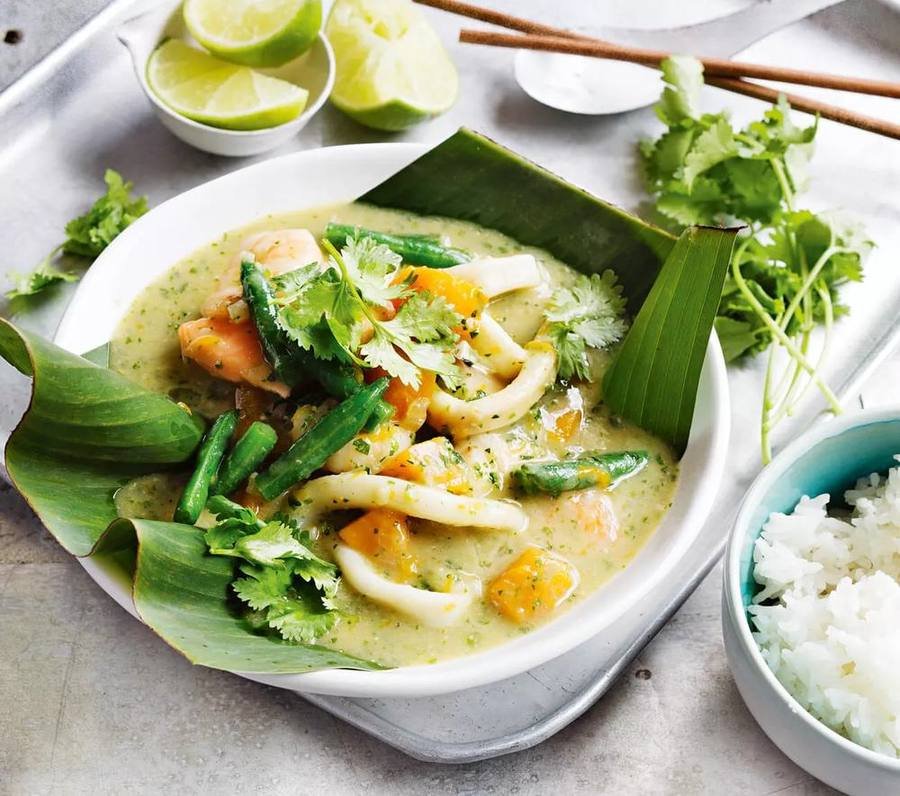
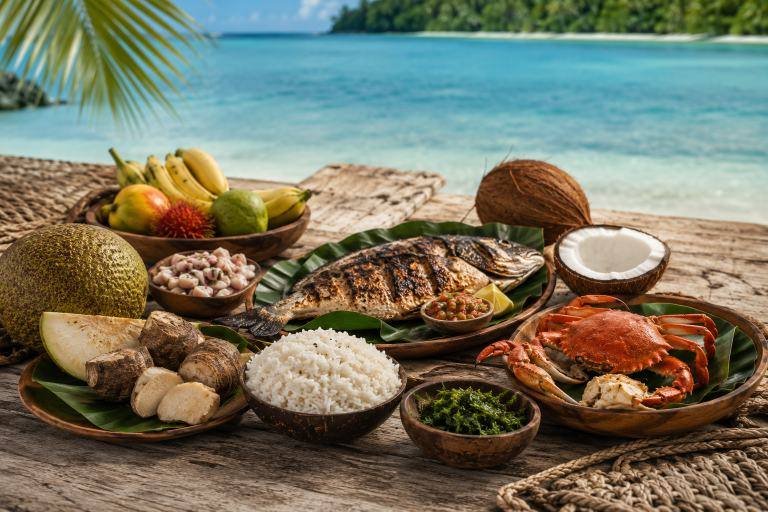
Continue through Lakshadweep’s other signature plates and drinks below — each has its own page, photograph and story.


Frequently Asked Questions
What is Tuna preparations?
A family of dishes centred on tuna: fresh curries and fries, sun-dried tuna, and smoked-dried tuna used as a long-keeping ingredient. Expect meaty and savoury, richer than most fish; dried and smoked versions are intensely concentrated and salty-umami.
What are the main ingredients in Tuna preparations?
The defining ingredients or components are skipjack tuna, coconut and coconut milk, turmeric and chilli, curry leaves, salt for drying and smoke from coconut husk or wood in traditional drying. Fresh tuna is curried in coconut gravy or fried with spices. For keeping, tuna is salted, boiled, smoked and sun-dried until hard, then stored and later soaked, flaked or grated into curries and rice dishes.
What does Tuna preparations taste like?
Expect meaty and savoury, richer than most fish; dried and smoked versions are intensely concentrated and salty-umami. Think fresh tuna is firm and steak-like; dried tuna is hard and chewy until soaked or grated into dishes. Serving pattern: Fresh preparations are main dishes with rice; dried tuna appears in smaller amounts as the flavouring backbone of curries and side dishes.
When is Tuna preparations eaten in Lakshadweep?
Daily meals in fishing season, and stored-food cooking through the monsoon when boats cannot go out. Tuna appears even at breakfast on some islands, flaked into coconut-based dishes eaten with rice preparations.
Where can I try Tuna preparations in Lakshadweep?
Try fresh tuna dishes in Kavaratti and Agatti eateries, and ask island hosts about dried tuna dishes during a homestay meal. Pair a first tasting with Coconut-based seafood and Rice dishes to see how Tuna preparations sits within the wider Lakshadweep table.
Every Place. Every Flavour.
Tuna preparations is one of 5 dishes and drinks profiled from Lakshadweep — and one of 213 regional dishes across all 36 states and union territories in this atlas.
Open the Lakshadweep guide Read the blog