
Food Atlas · Goa
Kaju feni: Goa's fiery cashew spirit — heritage in a glass

By Beauty of Bharat — India travel guide, every place, every flavour.
Guides covering all 36 States and UTs, researched from official sources and checked at publish time. Corrections welcome — see About Beauty of Bharat.
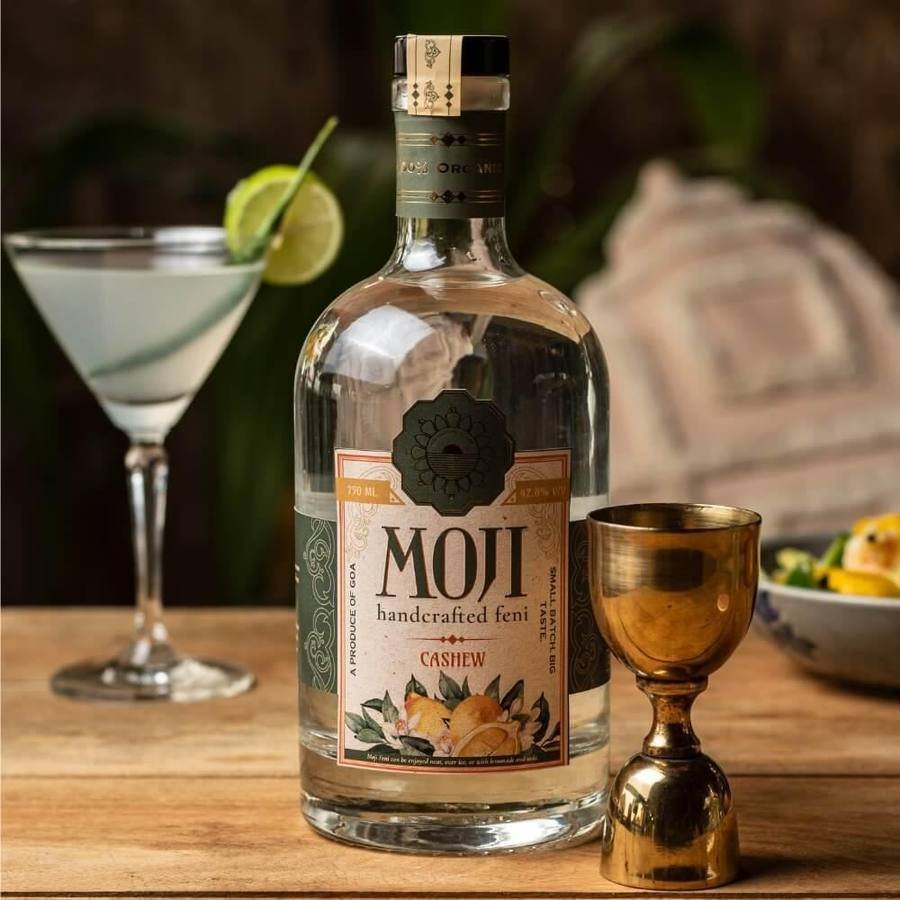
Kaju feni gives travellers one of the clearest tastes of Goa — specific in flavour, rooted in place and still part of living food culture. Kaju feni is a distilled spirit made from fermented cashew-apple juice, produced in Goa's traditional pot stills; it is an alcoholic drink, not a food.
A detail worth knowing before the first bite: feni is also made from coconut toddy; cashew feni is considered the premium type. Keep that in mind as you read on, because Kaju feni rewards eaters who notice how Goa seasons, serves and shares its food.
Kaju feni at a Glance
| State / UT | Goa |
| Capital / base | Panaji |
| What it is | Kaju feni is a distilled spirit made from fermented cashew-apple juice, produced in Goa's traditional pot stills; it is an alcoholic drink, not a food |
| Main ingredients | cashew apples (the fruit, not the nut) and water (none added traditionally in fermentation) |
| Taste | Strong, fruity and pungent, with a distinctive cashew-apple aroma and a warming, sometimes fiery finish; quality versions are smoother and more aromatic |
| Texture | Clear and light-bodied like other spirits, with an oily hint from the fruit |
| Usually eaten | Served for adults only, traditionally neat in small measures or mixed with lemon, soda, salt or a local lemon drink |
| Occasion | Social drinking, celebrations and village gatherings in cashew season (spring) |
The Story on Goa’s Table
Feni distilling in Goa is centuries old in local practice, developing after cashew was introduced to the coast, and it remains a small-scale, seasonal, largely family-run craft. Cashew feni holds a special place in Goan identity and has received formal recognition as a heritage spirit of the state. The cashew apple, otherwise perishable and wasted, is the raw material — the valuable nut goes its separate way. That context is essential in Goa, where a plate can signal a harvest, a religious calendar, a market habit or the meeting of communities. Kaju feni belongs in this atlas under Goa because this is the setting in which its ingredients, accompaniments and meaning come together.
The state guide places Kaju feni alongside Goan fish curry, Prawn balchao and Xacuti. Start with the Goa travel and food guide if you are planning where this tasting fits into a route.
Taste, Texture and Ingredients
Expect strong, fruity and pungent, with a distinctive cashew-apple aroma and a warming, sometimes fiery finish; quality versions are smoother and more aromatic. Think clear and light-bodied like other spirits, with an oily hint from the fruit.
The ingredient list is best read as a structure rather than a shopping list: cashew apples (the fruit, not the nut) and water (none added traditionally in fermentation).
How Kaju feni Is Made
Ripe cashew apples are crushed for juice, which ferments naturally for a few days. The fermented juice is then distilled in traditional pot stills, commonly more than once for drinking-strength feni. The method is part of the identity; shortcuts that change the texture usually change the dish itself.
When Kaju feni is made for a gathering, that timing also becomes social — food reaches the table as part of a shared rhythm, not as an isolated plate.
When and How It Is Eaten
Served for adults only, traditionally neat in small measures or mixed with lemon, soda, salt or a local lemon drink. Its natural moment is social drinking, celebrations and village gatherings in cashew season (spring).
Goa’s broader food culture helps explain the serving style. The state is known for beaches, heritage and food, and its calendar includes Carnival and Shigmo.
Where to Try It in Goa
Taste it responsibly at licensed Goan taverns and distillery-visit experiences during the cashew season. For a traveller, setting matters almost as much as seasoning.
Kaju feni pairs naturally with time in Panaji and Old Goa, and can sit just as comfortably beside a quieter excursion to Divar Island or Chorao Island.
More Dishes of Goa
Continue through Goa’s other signature plates and drinks below — each has its own page, photograph and story.



Frequently Asked Questions
What is Kaju feni?
Kaju feni is a distilled spirit made from fermented cashew-apple juice, produced in Goa's traditional pot stills; it is an alcoholic drink, not a food. Expect strong, fruity and pungent, with a distinctive cashew-apple aroma and a warming, sometimes fiery finish; quality versions are smoother and more aromatic.
What are the main ingredients in Kaju feni?
The defining ingredients or components are cashew apples (the fruit, not the nut) and water (none added traditionally in fermentation). Ripe cashew apples are crushed for juice, which ferments naturally for a few days. The fermented juice is then distilled in traditional pot stills, commonly more than once for drinking-strength feni.
What does Kaju feni taste like?
Expect strong, fruity and pungent, with a distinctive cashew-apple aroma and a warming, sometimes fiery finish; quality versions are smoother and more aromatic. Think clear and light-bodied like other spirits, with an oily hint from the fruit. Serving pattern: Served for adults only, traditionally neat in small measures or mixed with lemon, soda, salt or a local lemon drink.
When is Kaju feni eaten in Goa?
Social drinking, celebrations and village gatherings in cashew season (spring). Production is seasonal because it depends on the short cashew-apple harvest.
Where can I try Kaju feni in Goa?
Taste it responsibly at licensed Goan taverns and distillery-visit experiences during the cashew season. Pair a first tasting with Goan fish curry and Prawn balchao to see how Kaju feni sits within the wider Goa table.
Every Place. Every Flavour.
Kaju feni is one of 6 dishes and drinks profiled from Goa — and one of 213 regional dishes across all 36 states and union territories in this atlas.
Open the Goa guide Read the blog