
Food Atlas · Bihar
Khaja: Shatteringly crisp layered pastry, soaked in syrup

By Beauty of Bharat — India travel guide, every place, every flavour.
Guides covering all 36 States and UTs, researched from official sources and checked at publish time. Corrections welcome — see About Beauty of Bharat.
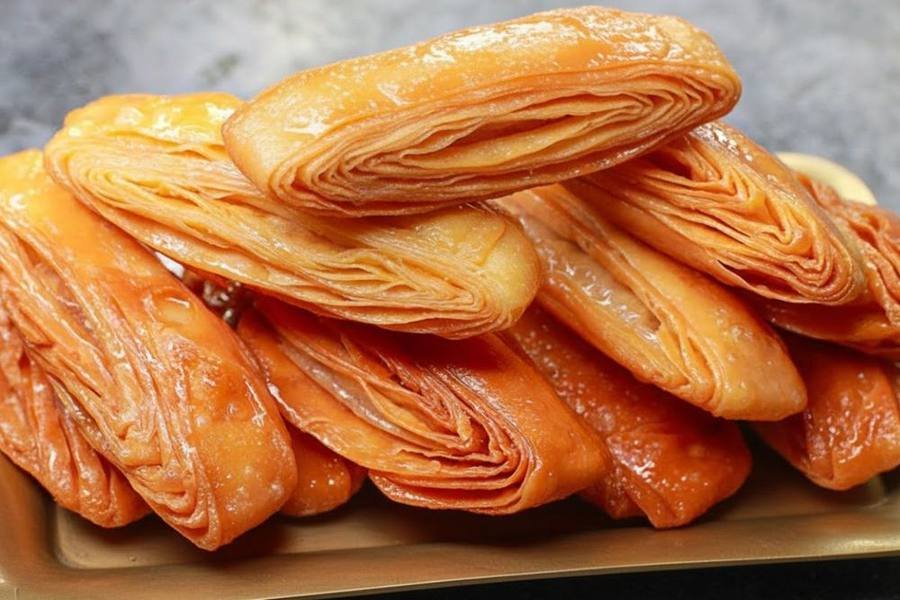
Khaja shatters. That is the test of it: a flaky, multi-layered fried pastry of refined flour, crisped in ghee or oil and coated or soaked in sugar syrup, dry and crisp with dozens of fine separate layers that flake apart. Cleanly sweet with a buttery, wheaty flavour — the syrup delicate rather than heavily spiced — it is especially associated with Silao near Nalanda and with Rajgir, towns on Bihar's old Buddhist and pilgrimage routes, where khaja shops are a local institution. Silao khaja is famous enough to be a named destination food of the Nalanda region, and khaja is also offered as prasad in the region's temples, eaten as a sweet or tea-time snack, and bought in boxes as a gift or prasad.
Khaja at a Glance
| State / UT | Bihar |
| Capital / base | Patna |
| What it is | Khaja is a flaky, multi-layered fried pastry of refined flour, crisped in ghee or oil and coated or soaked in sugar syrup |
| Main ingredients | refined flour (maida), ghee or oil, sugar syrup and cardamom (optional) |
| Taste | Cleanly sweet with a buttery, wheaty flavour; the syrup is delicate rather than heavily spiced |
| Texture | Dry, crisp and shattering, with dozens of fine separate layers that flake apart |
| Usually eaten | Eaten as a sweet or tea-time snack, and bought in boxes as a gift or prasad |
| Occasion | Festivals, pilgrimage offerings and travel gifts |
The Story on Bihar’s Table
Khaja is especially associated with Silao near Nalanda and with Rajgir, towns on Bihar's old Buddhist and pilgrimage routes, where khaja shops are a local institution. It is also offered as prasad in the region's temples. Its layered technique is shared, with variations, across eastern India. That context is essential in Bihar, where a plate can signal a harvest, a religious calendar, a market habit or the meeting of communities. Khaja belongs in this atlas under Bihar because this is the setting in which its ingredients, accompaniments and meaning come together.
The state guide places Khaja alongside Litti chokha, Sattu sharbat and Thekua. Start with the Bihar travel and food guide if you are planning where this tasting fits into a route.
Taste, Texture and Ingredients
Expect cleanly sweet with a buttery, wheaty flavour; the syrup is delicate rather than heavily spiced. Think dry, crisp and shattering, with dozens of fine separate layers that flake apart.
The ingredient list is best read as a structure rather than a shopping list: refined flour (maida), ghee or oil, sugar syrup and cardamom (optional).
How Khaja Is Made
A stiff flour dough is rolled, layered with a flour-and-ghee paste, folded repeatedly and cut into pieces. The pieces are fried on low heat until the layers open and crisp, then dipped in warm sugar syrup and drained. The cooking rewards attention to sequence and balance rather than a long list of additions.
When Khaja is made for a gathering, that timing also becomes social — food reaches the table as part of a shared rhythm, not as an isolated plate.
Layers are the craft
Khaja's flavour list is almost empty — refined flour (maida), ghee or oil, sugar syrup and cardamom (optional) — so the craft has to live in the layers. A stiff flour dough is rolled, layered with a flour-and-ghee paste, folded repeatedly and cut into pieces; the pieces are fried on low heat until the layers open and crisp, then dipped in warm sugar syrup and drained. That slow, repeated folding is what produces the texture the page describes: dry, crisp and shattering, with dozens of fine separate layers that flake apart, cleanly sweet with a buttery, wheaty flavour, the syrup delicate rather than heavily spiced. The layered technique is shared, with variations, across eastern India, but in Bihar it has a home address: Silao near Nalanda and Rajgir, towns on the old Buddhist and pilgrimage routes, where khaja shops are a local institution. Buy it in Silao and Rajgir, where makers specialise in it and turnover keeps it fresh — and where it is eaten as a sweet or tea-time snack, bought in boxes as a gift or prasad, and offered as prasad in the region's temples.
When and How It Is Eaten
Eaten as a sweet or tea-time snack, and bought in boxes as a gift or prasad. Its natural moment is festivals, pilgrimage offerings and travel gifts.
Bihar’s broader food culture helps explain the serving style. The state is known for buddhism, heritage and art, and its calendar includes Chhath Puja and Sonepur Mela.
Where to Try It in Bihar
Buy it in Silao and Rajgir, where makers specialise in it and turnover keeps it fresh. Do not reduce the search to the most famous address; freshness and context are better guides.
Khaja pairs naturally with time in Bodh Gaya and Nalanda, and can sit just as comfortably beside a quieter excursion to Vikramshila or Valmiki National Park.
More Dishes of Bihar
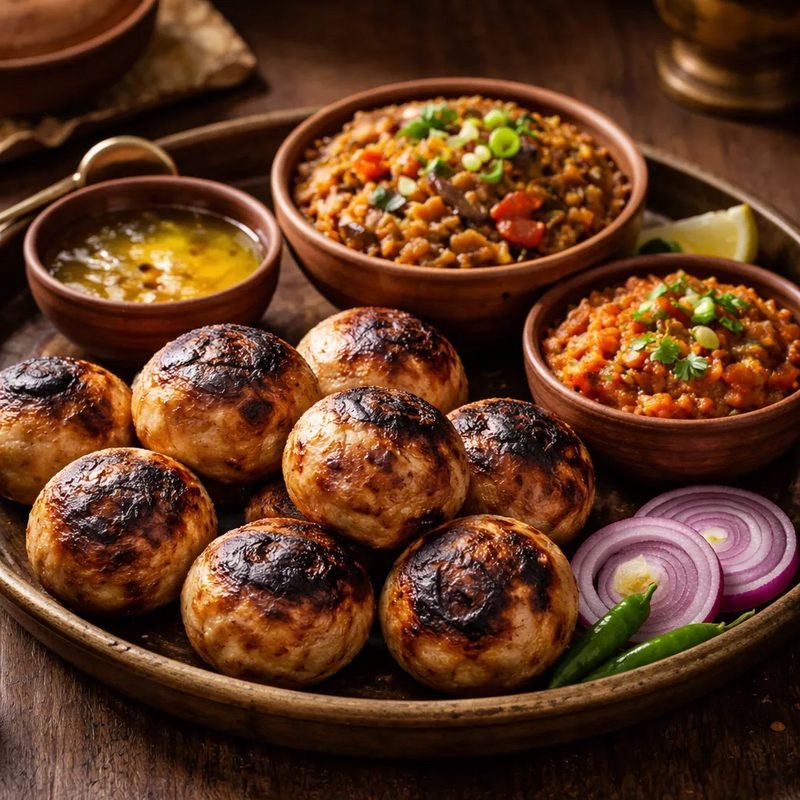
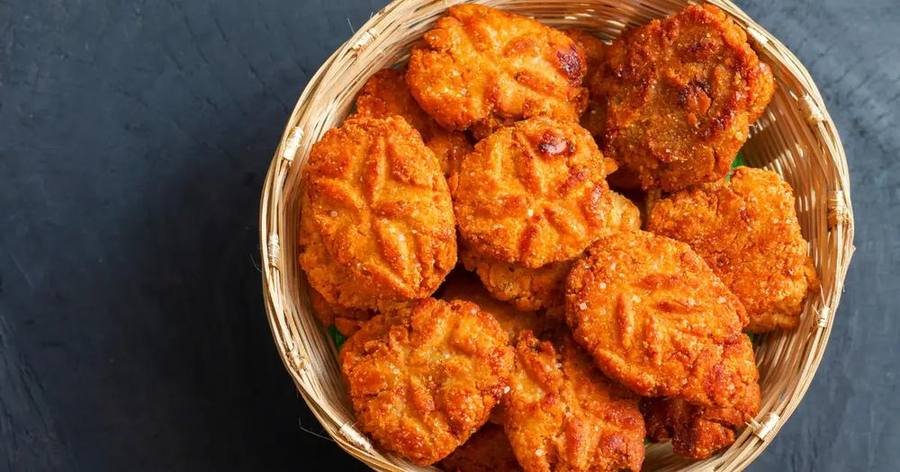
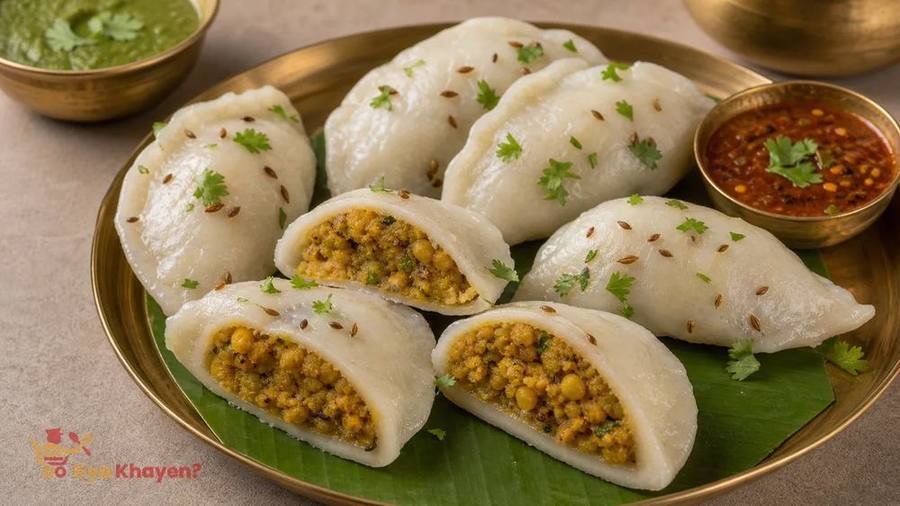
Continue through Bihar’s other signature plates and drinks below — each has its own page, photograph and story.


Frequently Asked Questions
What is Khaja?
Khaja is a flaky, multi-layered fried pastry of refined flour, crisped in ghee or oil and coated or soaked in sugar syrup. Expect cleanly sweet with a buttery, wheaty flavour; the syrup is delicate rather than heavily spiced.
What are the main ingredients in Khaja?
The defining ingredients or components are refined flour (maida), ghee or oil, sugar syrup and cardamom (optional). A stiff flour dough is rolled, layered with a flour-and-ghee paste, folded repeatedly and cut into pieces. The pieces are fried on low heat until the layers open and crisp, then dipped in warm sugar syrup and drained.
What does Khaja taste like?
Expect cleanly sweet with a buttery, wheaty flavour; the syrup is delicate rather than heavily spiced. Think dry, crisp and shattering, with dozens of fine separate layers that flake apart. Serving pattern: Eaten as a sweet or tea-time snack, and bought in boxes as a gift or prasad.
When is Khaja eaten in Bihar?
Festivals, pilgrimage offerings and travel gifts. Slow frying is essential — fast frying browns the outside before the layers cook.
Where can I try Khaja in Bihar?
Buy it in Silao and Rajgir, where makers specialise in it and turnover keeps it fresh. Pair a first tasting with Litti chokha and Sattu sharbat to see how Khaja sits within the wider Bihar table.
Every Place. Every Flavour.
Khaja is one of 6 dishes and drinks profiled from Bihar — and one of 213 regional dishes across all 36 states and union territories in this atlas.
Open the Bihar guide Read the blog