
Food Atlas · Arunachal Pradesh
Zan: Rustic millet porridge of the Monpa hills

By Beauty of Bharat — India travel guide, every place, every flavour.
Guides covering all 36 States and UTs, researched from official sources and checked at publish time. Corrections welcome — see About Beauty of Bharat.

Zan gives travellers one of the clearest tastes of Arunachal Pradesh — specific in flavour, rooted in place and still part of living food culture. Zan is a thick, savoury porridge made by whisking millet or other flour into hot water, served with vegetables, fermented soybean or meat preparations.
A detail worth knowing before the first bite: constant stirring is essential; zan lumps easily if the flour is added carelessly. Keep that in mind as you read on, because Zan rewards eaters who notice how Arunachal Pradesh seasons, serves and shares its food.
Zan at a Glance
| State / UT | Arunachal Pradesh |
| Capital / base | Itanagar |
| What it is | Zan is a thick, savoury porridge made by whisking millet or other flour into hot water, served with vegetables, fermented soybean or meat preparations |
| Main ingredients | millet flour (or buckwheat/maize flour), water, salt, seasonal vegetables and fermented soybean or cheese (as accompaniment) |
| Taste | Plain, earthy and grainy on its own, designed to carry the salty, fermented and spicy flavours of its side dishes |
| Texture | Dense, smooth and dough-like, firmer than a soup and softer than a bread |
| Usually eaten | Served hot with vegetable stews, fermented soybean chutney, meat dishes or a local cheese preparation |
| Occasion | Everyday home staple in Monpa areas |
The Story on Arunachal Pradesh’s Table
Zan is a traditional staple of the Monpa people of Tawang and West Kameng, suited to high-altitude farming where millets and buckwheat grow well. It is an everyday food rather than a festive one, valued for warmth and sustenance. Its plainness is deliberate: the accompaniments provide the flavour. That context is essential in Arunachal Pradesh, where a plate can signal a harvest, a religious calendar, a market habit or the meeting of communities. Zan belongs in this atlas under Arunachal Pradesh because this is the setting in which its ingredients, accompaniments and meaning come together.
The state guide places Zan alongside Thukpa, Momos and Apong. Start with the Arunachal Pradesh travel and food guide if you are planning where this tasting fits into a route.
Taste, Texture and Ingredients
Expect plain, earthy and grainy on its own, designed to carry the salty, fermented and spicy flavours of its side dishes. Think dense, smooth and dough-like, firmer than a soup and softer than a bread.
The ingredient list is best read as a structure rather than a shopping list: millet flour (or buckwheat/maize flour), water, salt, seasonal vegetables and fermented soybean or cheese (as accompaniment).
How Zan Is Made
Flour is sprinkled into boiling salted water and stirred vigorously and continuously to avoid lumps. It is cooked until thick and glossy, then rested briefly before serving in portions. Good versions are built patiently, with each stage adding aroma, body or contrast.
When Zan is made for a gathering, that timing also becomes social — food reaches the table as part of a shared rhythm, not as an isolated plate.
When and How It Is Eaten
Served hot with vegetable stews, fermented soybean chutney, meat dishes or a local cheese preparation. Its natural moment is everyday home staple in Monpa areas.
Arunachal Pradesh’s broader food culture helps explain the serving style. The state is known for himalayas, monasteries and tribal culture, and its calendar includes Losar and Ziro Music Festival.
Where to Try It in Arunachal Pradesh
Try it in homestays and local kitchens in Tawang and Dirang rather than in generic restaurants. A first tasting is best treated as fieldwork: watch how the dish is served, what surrounds it and when it appears.
Zan pairs naturally with time in Tawang and Ziro, and can sit just as comfortably beside a quieter excursion to Mechuka or Dong Valley.
More Dishes of Arunachal Pradesh
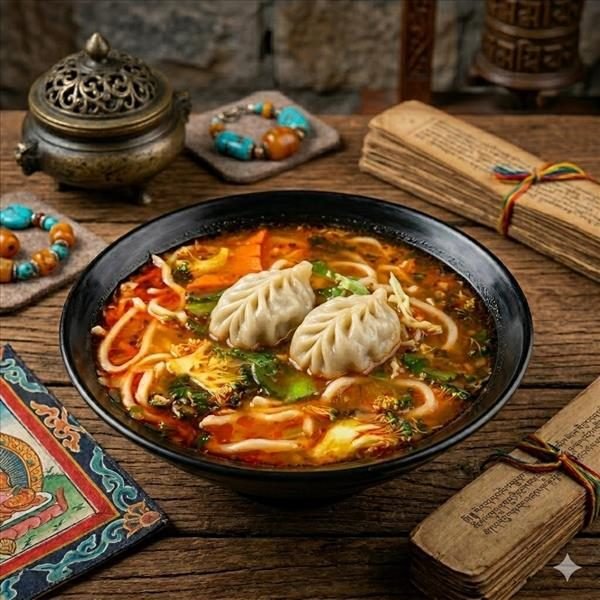
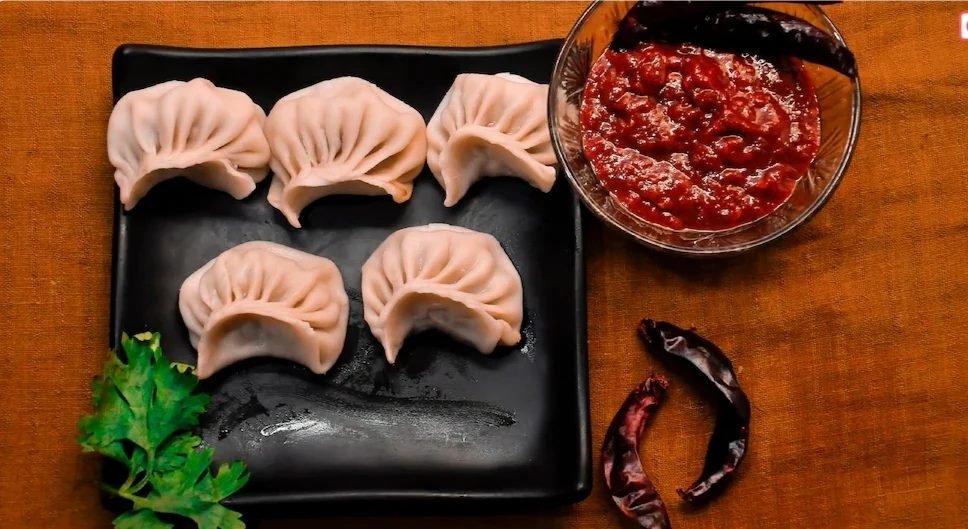
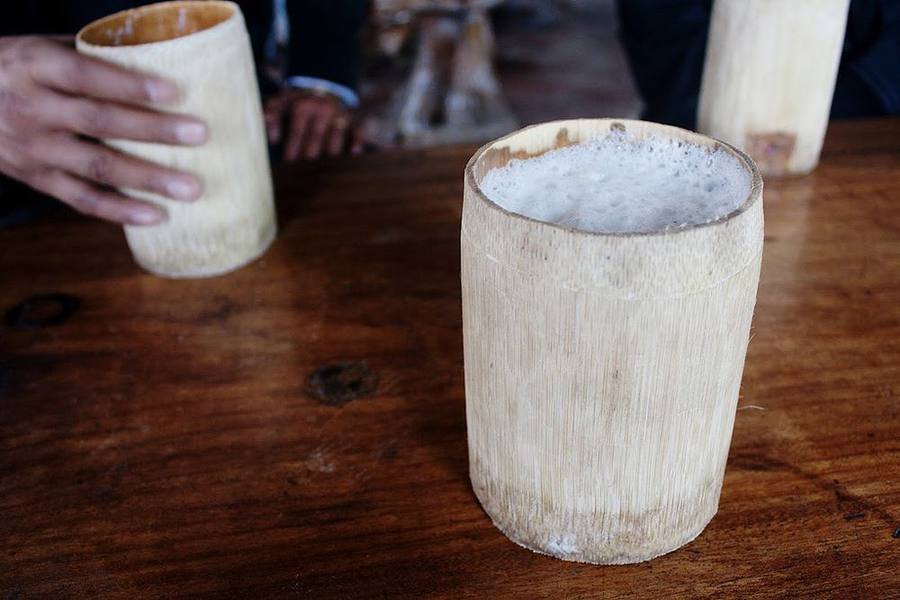
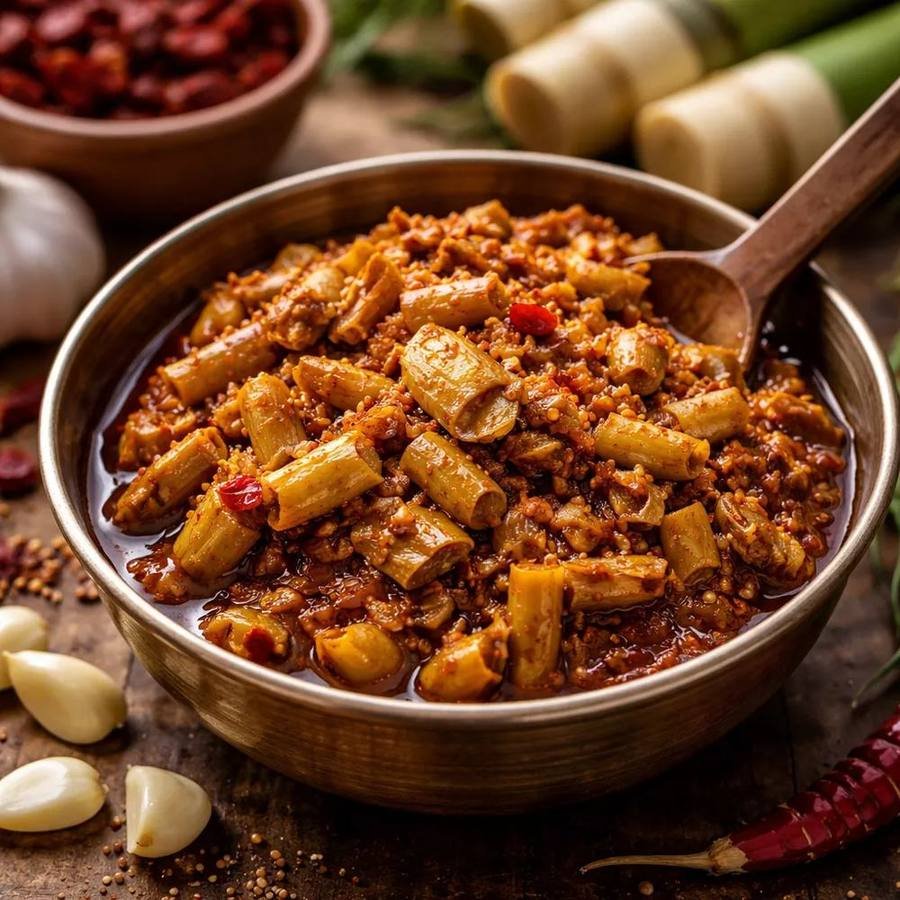
Continue through Arunachal Pradesh’s other signature plates and drinks below — each has its own page, photograph and story.

Frequently Asked Questions
What is Zan?
Zan is a thick, savoury porridge made by whisking millet or other flour into hot water, served with vegetables, fermented soybean or meat preparations. Expect plain, earthy and grainy on its own, designed to carry the salty, fermented and spicy flavours of its side dishes.
What are the main ingredients in Zan?
The defining ingredients or components are millet flour (or buckwheat/maize flour), water, salt, seasonal vegetables and fermented soybean or cheese (as accompaniment). Flour is sprinkled into boiling salted water and stirred vigorously and continuously to avoid lumps. It is cooked until thick and glossy, then rested briefly before serving in portions.
What does Zan taste like?
Expect plain, earthy and grainy on its own, designed to carry the salty, fermented and spicy flavours of its side dishes. Think dense, smooth and dough-like, firmer than a soup and softer than a bread. Serving pattern: Served hot with vegetable stews, fermented soybean chutney, meat dishes or a local cheese preparation.
When is Zan eaten in Arunachal Pradesh?
Everyday home staple in Monpa areas. Buckwheat and millet versions reflect the crops of the high western districts.
Where can I try Zan in Arunachal Pradesh?
Try it in homestays and local kitchens in Tawang and Dirang rather than in generic restaurants. Pair a first tasting with Thukpa and Momos to see how Zan sits within the wider Arunachal Pradesh table.
Every Place. Every Flavour.
Zan is one of 6 dishes and drinks profiled from Arunachal Pradesh — and one of 213 regional dishes across all 36 states and union territories in this atlas.
Open the Arunachal Pradesh guide Read the blog