
Food Atlas · Andhra Pradesh
Pesarattu: Crisp green-moong crepe of coastal Andhra

By Beauty of Bharat — India travel guide, every place, every flavour.
Guides covering all 36 States and UTs, researched from official sources and checked at publish time. Corrections welcome — see About Beauty of Bharat.

Pesarattu skips the step most South Indian crepes depend on: its batter of whole green moong dal is generally used unfermented, which is why it suits quick morning cooking. The result is a savoury crepe, lacy and crisp at the edges, softer in the centre, with a slight chew from the dal skin — mildly earthy and beany, lifted by ginger heat and the sweetness of raw or lightly cooked onion. A breakfast staple especially associated with coastal Andhra, including the Godavari districts, it is served hot with ginger chutney (allam pachadi), coconut chutney or sambar — and it is famously paired with upma, a combination many diners order as pesarattu-upma.
Pesarattu at a Glance
| State / UT | Andhra Pradesh |
| Capital / base | Amaravati |
| What it is | Pesarattu is a savoury crepe made from a batter of whole green moong dal, usually without fermentation |
| Main ingredients | whole green moong dal, rice (a little, for crispness), ginger, green chillies, cumin, onion and coriander |
| Taste | Mildly earthy and beany, lifted by ginger heat and the sweetness of raw or lightly cooked onion |
| Texture | Lacy and crisp at the edges, softer in the centre, with a slight chew from the dal skin |
| Usually eaten | Served hot with ginger chutney (allam pachadi), coconut chutney or sambar; often stuffed with upma |
| Occasion | Everyday breakfast and tiffin-room classic |
The Story on Andhra Pradesh’s Table
Pesarattu is a breakfast staple especially associated with coastal Andhra, including the Godavari districts. Because the batter needs no fermentation, it suits quick morning cooking. It is famously paired with upma in a combination many diners order as pesarattu-upma. That context is essential in Andhra Pradesh, where a plate can signal a harvest, a religious calendar, a market habit or the meeting of communities. Pesarattu belongs in this atlas under Andhra Pradesh because this is the setting in which its ingredients, accompaniments and meaning come together.
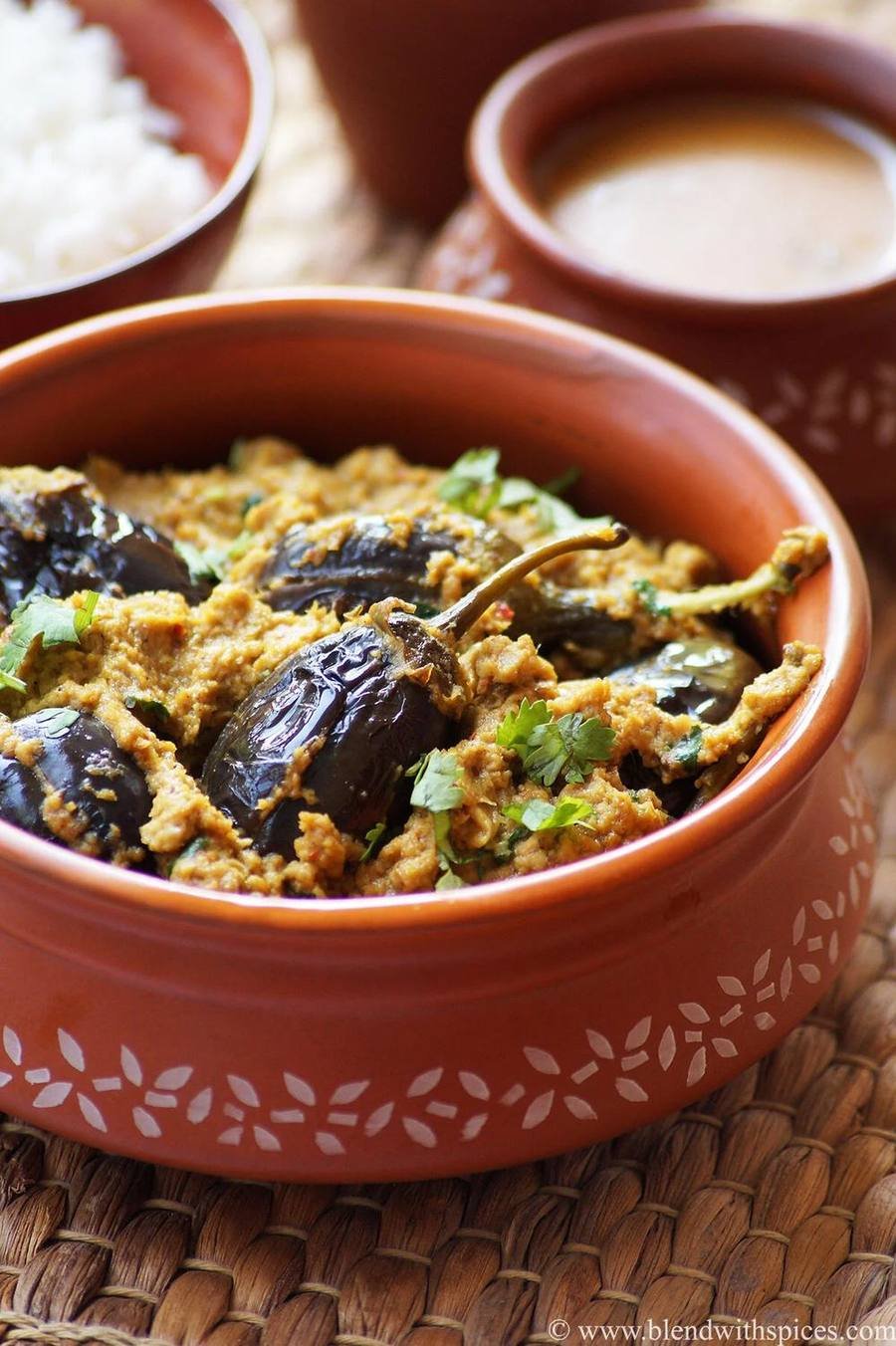
The state guide places Pesarattu alongside Pulihora, Gongura pachadi and Gutti vankaya. Start with the Andhra Pradesh travel and food guide if you are planning where this tasting fits into a route.
Taste, Texture and Ingredients
Expect mildly earthy and beany, lifted by ginger heat and the sweetness of raw or lightly cooked onion. Think lacy and crisp at the edges, softer in the centre, with a slight chew from the dal skin.
The ingredient list is best read as a structure rather than a shopping list: whole green moong dal, rice (a little, for crispness), ginger, green chillies, cumin, onion and coriander.
How Pesarattu Is Made
Soaked moong is ground with ginger, chillies and cumin into a pourable batter. It is spread thin on a hot tawa, sprinkled with onion, drizzled with oil and cooked until crisp underneath. Technique matters here: the same core ingredients can taste flat or vivid depending on how they are handled.
When Pesarattu is made for a gathering, that timing also becomes social — food reaches the table as part of a shared rhythm, not as an isolated plate.
When and How It Is Eaten
Served hot with ginger chutney (allam pachadi), coconut chutney or sambar; often stuffed with upma. Its natural moment is everyday breakfast and tiffin-room classic.
Andhra Pradesh’s broader food culture helps explain the serving style. The state is known for temples, beaches and heritage, and its calendar includes Ugadi and Sankranti.
The upma pairing is the order
If you order pesarattu in coastal Andhra, the question that follows is usually whether you want it with upma — because it is famously paired with upma, a combination many diners order as pesarattu-upma, and it is often stuffed with upma. The pairing makes sense against the crepe itself: mildly earthy and beany, lifted by ginger heat and the sweetness of raw or lightly cooked onion, lacy and crisp at the edges, softer in the centre, with a slight chew from the dal skin. The batter behind it is short and fast — soaked moong ground with ginger, chillies and cumin into a pourable batter, with a little rice for crispness, spread thin on a hot tawa, sprinkled with onion, drizzled with oil and cooked until crisp underneath — and because the batter needs no fermentation, it suits quick morning cooking. Served hot with ginger chutney (allam pachadi), coconut chutney or sambar, it is an everyday breakfast and tiffin-room classic. Order it in tiffin centres in Rajahmundry, Kakinada and Vijayawada for the coastal style.
Where to Try It in Andhra Pradesh
Order it in tiffin centres in Rajahmundry, Kakinada and Vijayawada for the coastal style. A first tasting is best treated as fieldwork: watch how the dish is served, what surrounds it and when it appears.
Pesarattu pairs naturally with time in Visakhapatnam and Tirupati, and can sit just as comfortably beside a quieter excursion to Lambasingi or Gandikota.
More Dishes of Andhra Pradesh
Continue through Andhra Pradesh’s other signature plates and drinks below — each has its own page, photograph and story.



Frequently Asked Questions
What is Pesarattu?
Pesarattu is a savoury crepe made from a batter of whole green moong dal, usually without fermentation. Expect mildly earthy and beany, lifted by ginger heat and the sweetness of raw or lightly cooked onion.
What are the main ingredients in Pesarattu?
The defining ingredients or components are whole green moong dal, rice (a little, for crispness), ginger, green chillies, cumin, onion and coriander. Soaked moong is ground with ginger, chillies and cumin into a pourable batter. It is spread thin on a hot tawa, sprinkled with onion, drizzled with oil and cooked until crisp underneath.
What does Pesarattu taste like?
Expect mildly earthy and beany, lifted by ginger heat and the sweetness of raw or lightly cooked onion. Think lacy and crisp at the edges, softer in the centre, with a slight chew from the dal skin. Serving pattern: Served hot with ginger chutney (allam pachadi), coconut chutney or sambar; often stuffed with upma.
When is Pesarattu eaten in Andhra Pradesh?
Everyday breakfast and tiffin-room classic. Whole green moong gives more fibre and colour than split dal versions.
Where can I try Pesarattu in Andhra Pradesh?
Order it in tiffin centres in Rajahmundry, Kakinada and Vijayawada for the coastal style. Pair a first tasting with Pulihora and Gongura pachadi to see how Pesarattu sits within the wider Andhra Pradesh table.
Every Place. Every Flavour.
Pesarattu is one of 6 dishes and drinks profiled from Andhra Pradesh — and one of 213 regional dishes across all 36 states and union territories in this atlas.
Open the Andhra Pradesh guide Read the blog