
Food Atlas · Andaman & Nicobar Islands
Tropical fruits: Mangoes, bananas and island orchard abundance

By Beauty of Bharat — India travel guide, every place, every flavour.
Guides covering all 36 States and UTs, researched from official sources and checked at publish time. Corrections welcome — see About Beauty of Bharat.
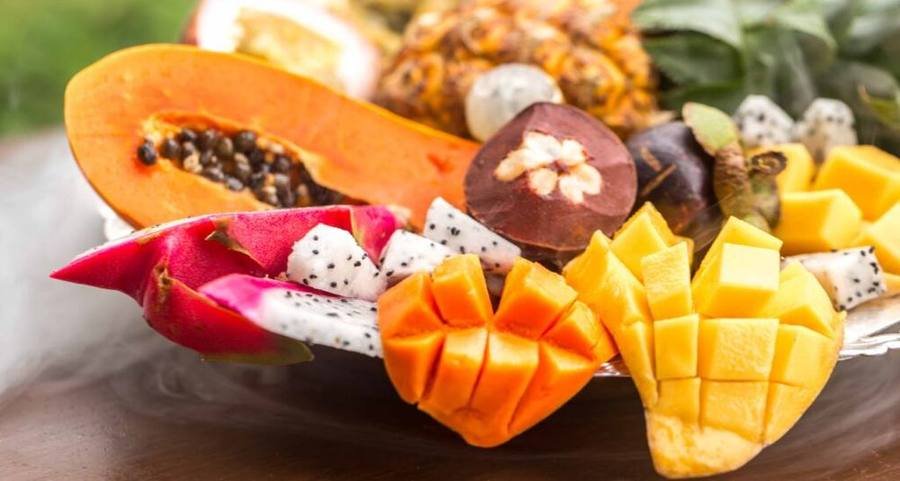
Tropical fruits gives travellers one of the clearest tastes of Andaman & Nicobar Islands — specific in flavour, rooted in place and still part of living food culture. A range of fresh tropical fruits grown in the islands' humid climate, eaten ripe, juiced or in simple desserts rather than as one dish.
A detail worth knowing before the first bite: this entry covers a category of produce, not a single recipe. Keep that in mind as you read on, because Tropical fruits rewards eaters who notice how Andaman & Nicobar Islands seasons, serves and shares its food.
Tropical fruits at a Glance
| State / UT | Andaman & Nicobar Islands |
| Capital / base | Port Blair / Sri Vijaya Puram |
| What it is | A range of fresh tropical fruits grown in the islands' humid climate, eaten ripe, juiced or in simple desserts rather than as one dish |
| Main ingredients | mango, banana, pineapple, papaya, jackfruit, coconut, guava and mangosteen in season |
| Taste | Intensely sweet and fragrant when tree-ripened, with the acidity of pineapple and citrus balancing richer fruits |
| Texture | Soft, juicy and fibrous in varying degrees, best eaten fresh and chilled in the island heat |
| Usually eaten | Served as snacks, breakfast, juices and light desserts, often bought from market stalls and roadside vendors |
| Occasion | An everyday, strongly seasonal pleasure, peaking with the summer mango and monsoon fruit seasons |
The Story on Andaman & Nicobar Islands’s Table
The islands' rainfall and warmth support orchards and homestead gardens where tropical fruits are part of daily eating for settler and indigenous communities alike. Fruit here is mostly consumed as it ripens rather than cooked into elaborate dishes, sold in Port Blair's markets and eaten as snacks, juices and simple sweets. That context is essential in Andaman & Nicobar Islands, where a plate can signal a harvest, a religious calendar, a market habit or the meeting of communities. Tropical fruits belongs in this atlas under Andaman & Nicobar Islands because this is the setting in which its ingredients, accompaniments and meaning come together.
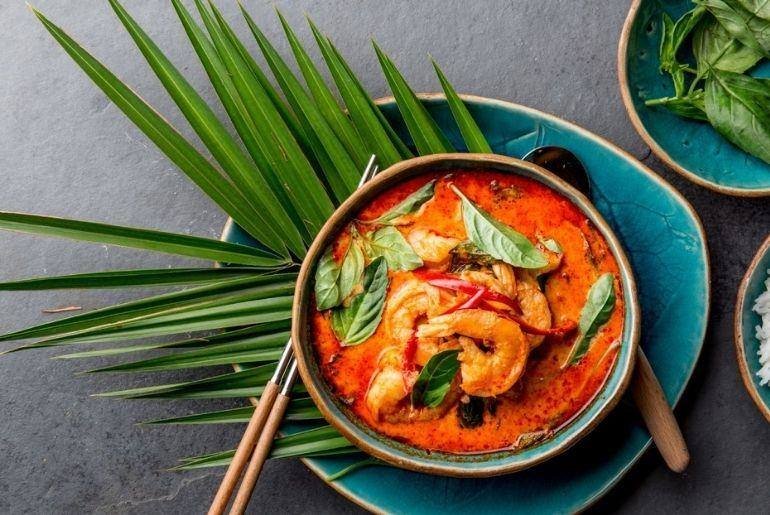
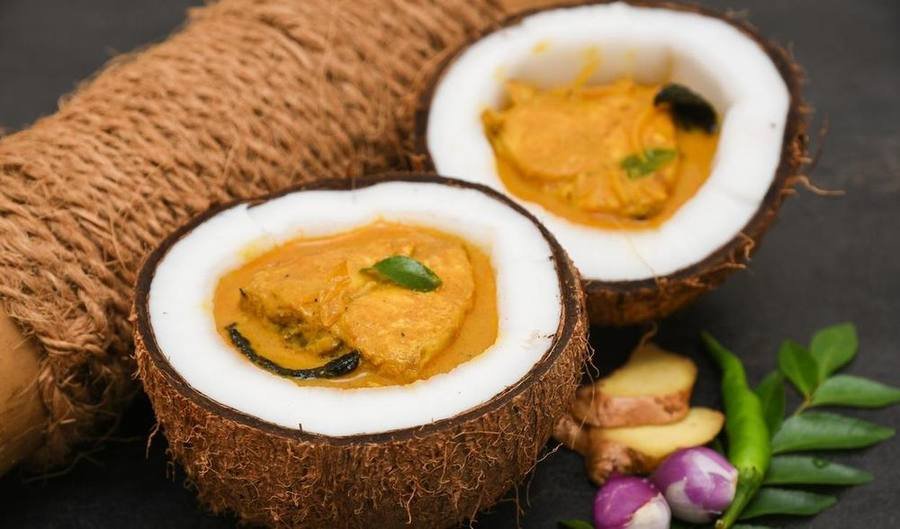
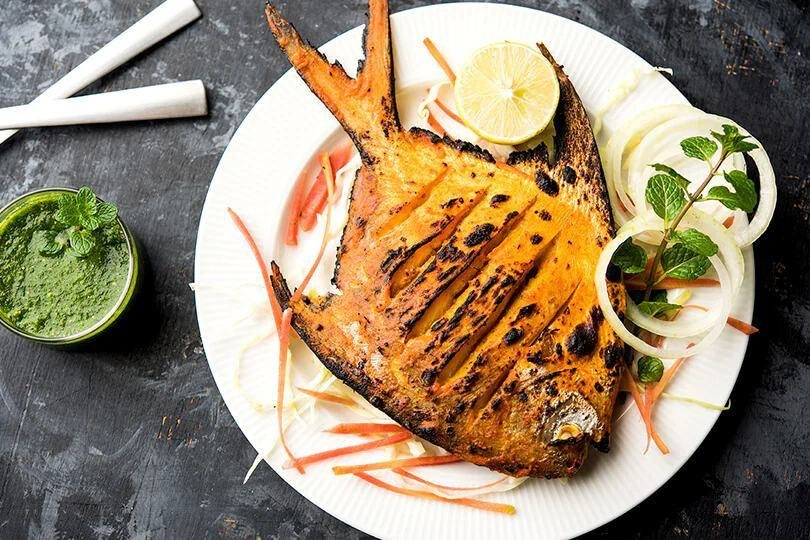
The state guide places Tropical fruits alongside Seafood curries, Coconut-based dishes and Grilled fish. Start with the Andaman & Nicobar Islands travel and food guide if you are planning where this tasting fits into a route.
Taste, Texture and Ingredients
Expect intensely sweet and fragrant when tree-ripened, with the acidity of pineapple and citrus balancing richer fruits. Think soft, juicy and fibrous in varying degrees, best eaten fresh and chilled in the island heat.
The ingredient list is best read as a structure rather than a shopping list: mango, banana, pineapple, papaya, jackfruit, coconut, guava and mangosteen in season.
How Tropical fruits Is Made
Preparation is minimal: fruits are eaten fresh, cut into salads, pressed into juices or folded into coconut-based desserts. Jackfruit and banana also enter savoury island cooking when raw. The method is part of the identity; shortcuts that change the texture usually change the dish itself.
When Tropical fruits is made for a gathering, that timing also becomes social — food reaches the table as part of a shared rhythm, not as an isolated plate.
When and How It Is Eaten
Served as snacks, breakfast, juices and light desserts, often bought from market stalls and roadside vendors. Its natural moment is an everyday, strongly seasonal pleasure, peaking with the summer mango and monsoon fruit seasons.
Andaman & Nicobar Islands’s broader food culture helps explain the serving style. The state is known for islands, beaches and diving, and its calendar includes Island Tourism Festival and Subhash Chandra Bose-related commemorations and local cultural events.
Where to Try It in Andaman & Nicobar Islands
Browse Aberdeen Bazaar in Port Blair and local markets on Havelock Island for whatever is in season. For a traveller, setting matters almost as much as seasoning.
Tropical fruits pairs naturally with time in Port Blair/Sri Vijaya Puram and Swaraj Dweep (Havelock), and can sit just as comfortably beside a quieter excursion to Long Island or Little Andaman.
More Dishes of Andaman & Nicobar Islands
Continue through Andaman & Nicobar Islands’s other signature plates and drinks below — each has its own page, photograph and story.
Frequently Asked Questions
What is Tropical fruits?
A range of fresh tropical fruits grown in the islands' humid climate, eaten ripe, juiced or in simple desserts rather than as one dish. Expect intensely sweet and fragrant when tree-ripened, with the acidity of pineapple and citrus balancing richer fruits.
What are the main ingredients in Tropical fruits?
The defining ingredients or components are mango, banana, pineapple, papaya, jackfruit, coconut, guava and mangosteen in season. Preparation is minimal: fruits are eaten fresh, cut into salads, pressed into juices or folded into coconut-based desserts. Jackfruit and banana also enter savoury island cooking when raw.
What does Tropical fruits taste like?
Expect intensely sweet and fragrant when tree-ripened, with the acidity of pineapple and citrus balancing richer fruits. Think soft, juicy and fibrous in varying degrees, best eaten fresh and chilled in the island heat. Serving pattern: Served as snacks, breakfast, juices and light desserts, often bought from market stalls and roadside vendors.
When is Tropical fruits eaten in Andaman & Nicobar Islands?
An everyday, strongly seasonal pleasure, peaking with the summer mango and monsoon fruit seasons. Season decides quality; fruit is best eaten where and when it ripens.
Where can I try Tropical fruits in Andaman & Nicobar Islands?
Browse Aberdeen Bazaar in Port Blair and local markets on Havelock Island for whatever is in season. Pair a first tasting with Seafood curries and Coconut-based dishes to see how Tropical fruits sits within the wider Andaman & Nicobar Islands table.
Every Place. Every Flavour.
Tropical fruits is one of 5 dishes and drinks profiled from Andaman & Nicobar Islands — and one of 213 regional dishes across all 36 states and union territories in this atlas.
Open the Andaman & Nicobar Islands guide Read the blog