
Destination Guide · Jharkhand
Hazaribagh Travel Guide: Land of a Thousand Gardens — Forest & Lake Country

By Beauty of Bharat — India travel guide, every place, every flavour.
Guides covering all 36 States and UTs, researched from official sources and checked at publish time. Corrections welcome — see About Beauty of Bharat.
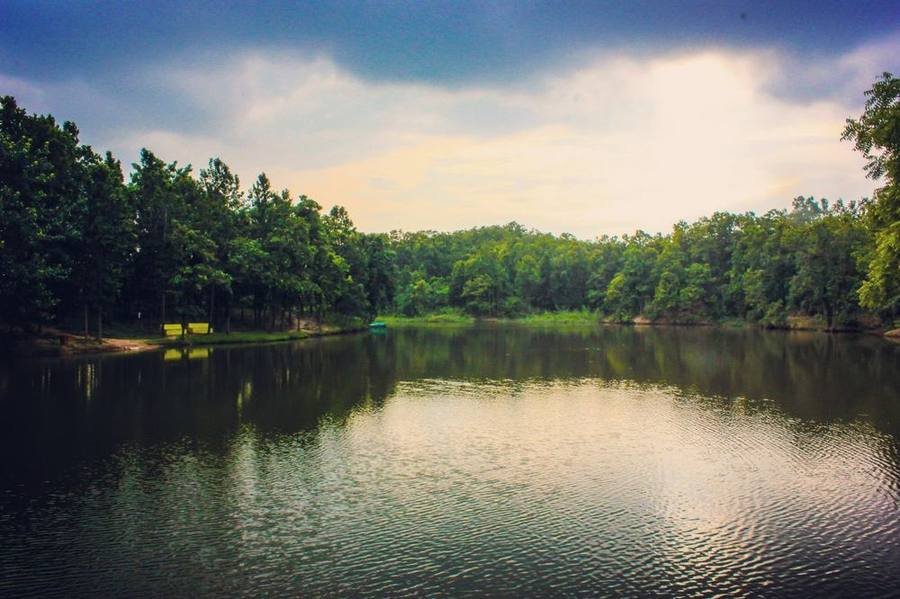
Hazaribagh grew as a cantonment and sanatorium town in the sal-forested hills of the plateau, and its name still describes it: gardens, lakes and green avenues at a pleasant 600 metres. Travellers know it best for the wildlife sanctuary on its outskirts — one of India's older protected areas, where sambar, nilgai, sloth bear and leopard move through sal and grassland mosaics.
The town itself is a soft landing: the big Hazaribagh Lake with its boating and evening strollers, the Canary Hill lookout above the rooftops, and the road out to the sanctuary for a dawn drive. It pairs naturally with Ranchi and the falls circuit, adding the one thing that loop lacks — a quiet forest of its own.
Hazaribagh at a Glance
| State / UT | Jharkhand |
| Region | East India |
| Known for | Forests and wildlife |
| Best time to visit | October to March for the sanctuary and pleasant town weather; summer is hot on the plateau and the park is… |
| Nearest gateway | Road from Ranchi; Hazaribagh Road station |
| Good for | Waterfalls, Tribal Culture, Forests and Art |
| Famous food | Dhuska, Rugra and Chilka roti |
| Full state guide | Jharkhand Travel Guide |
Highlights: Best Things to Do in Hazaribagh
Hazaribagh Wildlife Sanctuary
Morning drives through sal forest and meadows — sambar and nilgai are common, the forest itself the reward.
Hazaribagh Lake
The town's evening heart — boating, a lakeside promenade and sunset over the water.
Canary Hill
The wooded lookout above town with a rest-house tower — whole-plateau views at dawn.
Rajrappa (day trip)
The Chinnamasta temple at the confluence of the Bhairavi and Damodar rivers, with a fine waterfall beside it — a powerful pilgrim excursion.
Best Time to Visit Hazaribagh
October to March for the sanctuary and pleasant town weather; summer is hot on the plateau and the park is best avoided at midday.
That window is when Hazaribagh shows its best side. It also matches the wider season for Jharkhand — the Jharkhand guide sets out the state's full calendar, festivals included, so you can time Hazaribagh alongside Ranchi and Deoghar on one trip.
What Makes Hazaribagh Different
Hazaribagh's name still describes it, and that continuity is the town's quiet charm. Grown as a cantonment and sanatorium town in the sal-forested hills of the plateau, it keeps its gardens, lakes, and green avenues at a pleasant 600 metres, a soft landing after harder Jharkhand journeys. The town does not shout for attention: its pleasures are an evening promenade, a wooded lookout, and a forest on the outskirts, and travellers who value breathing room over spectacle find the place unusually restorative. The sanatorium past still shapes the town's pace, since a place built for recovery keeps its avenues green and its evenings slow.
The sanctuary on the town's outskirts gives that gentleness a wild edge. One of India's older protected areas, it holds sambar, nilgai, sloth bear, and leopard moving through sal and grassland mosaics, and a dawn drive there rewards patience with the forest itself even when the larger animals keep their distance. Back in town, the big Hazaribagh Lake draws boating and evening strollers to its water, Canary Hill's rest-house tower lifts the eye above the rooftops for whole-plateau views at dawn, and the road out to Rajrappa adds a powerful pilgrim excursion, the Chinnamasta temple at the confluence of the Bhairavi and Damodar rivers with a fine waterfall beside it. The lake's evening strollers give the town its social centre, a promenade where residents and visitors share the same sunset water.
Hazaribagh also fills a gap in the wider Jharkhand circuit that its neighbours leave open. October to March brings sanctuary weather and pleasant town days, summer turns hot on the plateau and the park is best avoided at midday, and the town pairs naturally with Ranchi and the falls circuit, adding the one thing that loop lacks, a quiet forest of its own. It is a place for travellers who want a forest without a fortress of permits and crowds, and a town that still moves at a sanatorium's unhurried pace.
A signature day begins with a dawn drive into the wildlife sanctuary, moving through sal forest and meadows as sambar and nilgai appear and the forest wakes. The late morning returns to town for the lake, boating and a lakeside stroll, and the afternoon climbs Canary Hill for the wooded lookout above the rooftops. For those with a full day, the excursion to Rajrappa closes the circuit, the temple at the river confluence and its waterfall giving the forest morning a sacred counterpart before evening returns to the lake's promenade.
Going further, Ranchi is the gateway city of the falls circuit itself, whose waterfalls and urban base pair with Hazaribagh's quiet forest. Netarhat lifts the plateau journey higher, to sunset landscapes on the state's western edge. Dhuska, named among Hazaribagh's famous foods, is the fried rice-and-lentil bread of Jharkhand's kitchens, best eaten fresh after a forest morning.
How to Reach Hazaribagh
Hazaribagh is on the Ranchi–Patna highway, about two and a half hours from Ranchi (airport and station); its own station (Hazaribagh Road) lies on the grand chord line with a road link to town.
Most travellers route into Jharkhand through Ranchi or the nearest transport hub and continue by road; local taxis and shared transport cover the last stretch in season. Build in buffer time for hill and island routes, and confirm festival and permit rules for Jharkhand before you set out.
Hazaribagh — Transport at a Glance
| Nearest airport | Ranchi Airport (IXR), ≈ 2½ hrs by road |
| Nearest railway station | Hazaribagh Road station, on the Grand Chord line, with a road link into town |
| By road | The Ranchi–Patna highway (NH-20 side) runs through Hazaribagh |
| Getting around | Autos and taxis in town; the national park and lake are short drives out |
Where to Stay in Hazaribagh
Hazaribagh's small hotels and lodges gather near the main market and the lake side — a modest, green town best used as the calm base for the national park and the road between Ranchi and Bodh Gaya. The lake-side is the pleasant end of town. Stays here run to small hotels, lodges and guesthouses. The honest way to choose is live, because the season moves prices fast — the buttons below pull today's listings with photos and guest ratings from Google Maps, and live rates from Booking.com, for Hazaribagh itself. Plan the base around the sights: travellers come to Hazaribagh for Hazaribagh Wildlife Sanctuary, Hazaribagh Lake and Canary Hill — the areas above keep the first of these within easy reach, which matters most on short trips.
See live hotels & ratings — Google MapsCompare prices — Booking.com
This button opens a hotel search on Booking.com. Some travel tools on this site are provided by affiliate partners — if you book through one, we may earn a commission at no extra cost to you.
Markets & Shopping in Hazaribagh
Hazaribagh's market is local-scale; Ranchi's bazaars carry the state's craft properly. For the full bazaar run, base it in Ranchi — there, the name to know is Main Road and the Lalpur markets; the Jharcraft outlets. Look for Dokra metal craft, terracotta, tribal jewellery and Jharkhand's handloom. The state emporium (Jharcraft) on Main Road fixes fair prices for Dokra before you browse the bazaars. Before a big purchase, it is worth comparing the same craft at a state handicraft emporium or the makers' own workshop — bazaars usually win on price, emporiums and makers on assurance. Take some home on a plate, too: Hazaribagh's edible signatures start with Dhuska and Rugra and Chilka roti — try them at the source, and ask the food stalls what packs well for the journey. Keep small notes handy as well: bargaining is expected on craft in the bazaars, while food and emporium counters usually hold fixed prices.
A Taste of Jharkhand
No stop in Jharkhand is complete at the table. The state's kitchen is best met through Dhuska, Rugra and Chilka roti — look for them in Hazaribagh's own markets and eateries, where the cooking is at its most local. Each dish has a full page in the Food Atlas: Dhuska · Rugra · Chilka roti · Thekua.
More Destinations in Jharkhand
Hazaribagh is one of 5 destinations in the Jharkhand atlas. The others pair with it naturally — each has its own full guide page.
Ranchi
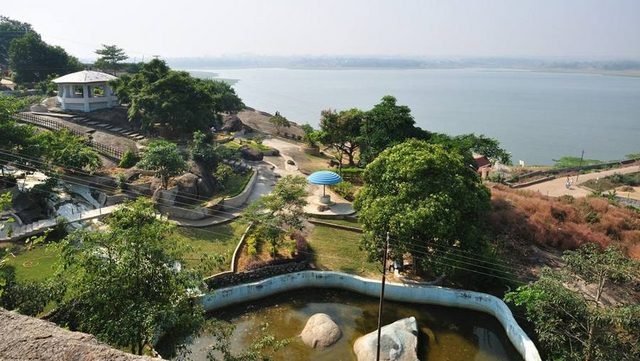
waterfalls and city gateway.
Deoghar

Baidyanath Jyotirlinga pilgrimage.
Netarhat

plateau and sunset landscapes.
Jamshedpur

planned city and lakes.
Offbeat Jharkhand: Beyond Hazaribagh
When the headline sights are done, Jharkhand keeps a quieter register — Hundru Falls · Betla National Park · Patratu Valley · Maluti Temples are the state's lesser-known corners, profiled in the Jharkhand guide. Expect fewer facilities and more of the state as its own people know it.
Frequently Asked Questions
What is Hazaribagh famous for?
Hazaribagh means 'a thousand gardens' — a plateau town of lakes and mango groves that guards the road to a fine wildlife sanctuary of sal forest and grassland.
What are the best things to do in Hazaribagh?
The essential experiences in Hazaribagh are Hazaribagh Wildlife Sanctuary, Hazaribagh Lake, Canary Hill and Rajrappa (day trip). Morning drives through sal forest and meadows — sambar and nilgai are common, the forest itself the reward.
What is the best time to visit Hazaribagh?
October to March for the sanctuary and pleasant town weather; summer is hot on the plateau and the park is best avoided at midday.
How do I reach Hazaribagh?
Hazaribagh is on the Ranchi–Patna highway, about two and a half hours from Ranchi (airport and station); its own station (Hazaribagh Road) lies on the grand chord line with a road link to town.
How many days do I need in Hazaribagh?
Plan one night and a sanctuary morning in Hazaribagh. It pairs naturally with the other Jharkhand stops in this atlas, and the Jharkhand state guide links them into one route.
Every Place. Every Flavour.
Hazaribagh is one of 188 destinations in this atlas — with 154 offbeat places and 213 regional dishes, each with its own full guide page.
Jharkhand Travel Guide Read the blog