
Rajasthan Travel Guide · Festivals of India
Pushkar Fair 2026: Dates, Tickets & Complete Visitor Guide

By Beauty of Bharat — India travel guide, every place, every flavour.
Guides covering all 36 States and UTs, researched from official sources and checked at publish time. Corrections welcome — see About Beauty of Bharat.
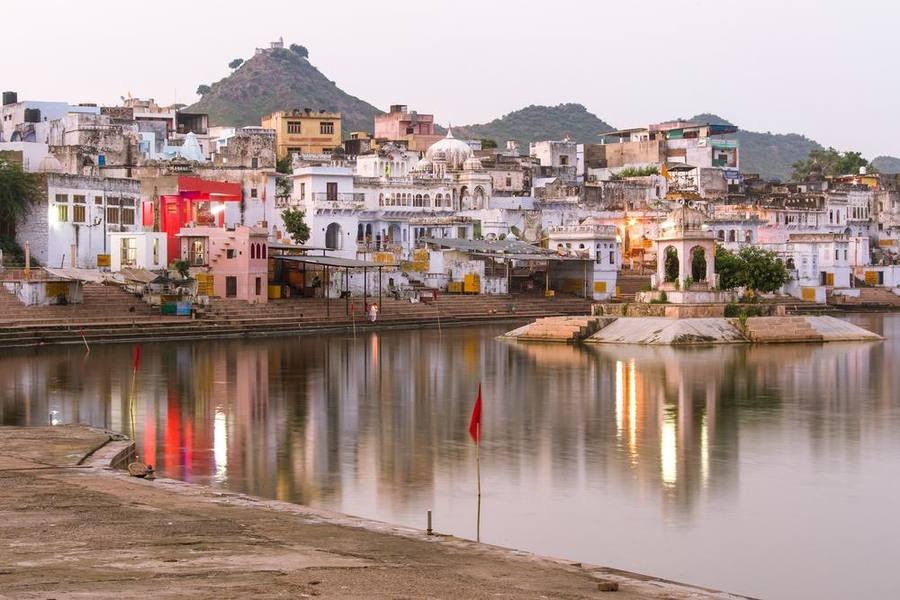
Pushkar Fair 2026 — the Pushkar Camel Fair — runs from Tuesday 17 November to Tuesday 24 November 2026, building to the Kartik Purnima holy dip in Pushkar Lake on the full-moon night of 24 November. It is one of the world's largest camel and livestock fairs: eight days of desert trading, decorated camels and races, moustache and turban-tying contests, folk music under the desert sky, and a pilgrimage season that fills one of India's most sacred small towns.
Why November? The fair is anchored to the Hindu lunar month of Kartik, so its dates shift every year — in 2026 it lands in late November, Rajasthan's loveliest travel month: warm golden days, crisp desert nights, clear skies. The one-line plan: give the fair 3–4 days in its middle stretch (roughly 19–22 November) for the best mix of trading, competitions and cultural energy, then wrap a wider Rajasthan trip around it.
Pushkar Fair 2026: Dates & What Happens Day by Day
The dates are verified against Rajasthan Tourism's official 2026 fairs and festivals calendar: the Pushkar Fair is listed for 17–24 November 2026, with Kartik Purnima on 24 November 2026. Multiple travel sources agree; the district administration finalises the exact day-by-day programme closer to the event.
| Day | What happens |
|---|---|
| 17–20 Nov (Tue–Fri) | Livestock trading peaks — camel, horse and cattle herders negotiate through the early mornings; the fair at its most unfiltered and photogenic |
| 21–22 Nov (Sat–Sun) | Cultural programme peaks — camel races, decorated-camel parades, the famous moustache contest, turban-tying challenges and folk performances |
| 23–24 Nov (Mon–Tue) | Pilgrimage peaks — crowds converge for the Kartik Purnima holy dip in Pushkar Lake on the full-moon night of 24 November |
The fair works in two overlapping halves. The early days belong to the traders. Thousands of camels, horses and cattle arrive at the fairgrounds, herders set up camp in the dunes, and serious trading happens in the early-morning hours — this is the fair as it began, a working livestock market, and when photographers get the best light. The middle days belong to the spectacle — camel races, decorated parades, matka phod, the longest-moustache contest, turban-tying challenges, bridal contests, and evening folk programmes organised by Rajasthan Tourism. The final days belong to the pilgrimage — the lakefront fills as pilgrims converge for the holy dip on Kartik Purnima, and the evening aarti with lamps reflecting on the water is the festival's most moving sight.
Entry: there is no ticket to the fair itself — the fairgrounds are free to enter. You pay for your stay, desert camps, camel safaris, balloon rides and separately ticketed events.
→ Pushkar Camel Fair — our festival page with the fair's full story and next-edition dates
How to Reach Pushkar & Where to Stay
By train: the nearest railhead is Ajmer, about 15 km from Pushkar. Trains from Jaipur take about 2–2.5 hours; from Delhi, about 6–7 hours. From Ajmer station, shared jeeps, buses and taxis run constantly to Pushkar.
By air: Jaipur International Airport (about 145 km) is the main gateway. Kishangarh airport (about 40 km) is nearer but serves limited routes — most visitors fly into Jaipur and continue by road or rail.
By road: Jaipur to Pushkar is 145 km (3–4 hours by taxi or bus); Delhi to Pushkar is 410–430 km (about 7–8 hours by car).
Where to stay: Pushkar runs the full range — budget guesthouses behind the ghats, mid-range boutique hotels and haveli stays in and around town, and during fair week the luxury desert camps (Swiss tents near the fairgrounds with folk performances at night) as the signature splurge. Fair-week rooms sell out well in advance and prices climb steeply, so book now. Our Pushkar destination guide covers the town in detail.
What to See and Do at the Fair
- Dawn at the camel camps. Go on the first morning, before the sun is high — hundreds of camels in low light and the best photographs of the trip.
- Camel decoration and races. Camels adorned with beads, mirrors and painted patterns; the races are the fair's loudest crowd-pleaser.
- The contests. The longest-moustache competition is the famous one; add turban-tying challenges, matka phod and the bridal competition.
- Folk music and dance evenings. Rajasthan Tourism stages cultural programmes through the fair; the desert setting does half the work.
- The lakefront aarti. Even outside Kartik Purnima, the evening aarti at Pushkar Lake is worth building your day around.
- The bazaars. Bangles, textiles, jewellery and handicrafts fill the fairground market — haggle cheerfully and fairly.
Pushkar Beyond the Fair
Pushkar rewards slow time between fair events. The Brahma Temple is one of the very few temples in the world dedicated to Lord Brahma — and it is the reason this town exists as it does. Around the lake, 52 ghats step down to the water; walking the lake circuit at sunset is Pushkar at its most beautiful.
Behind the ghats, the main street holds silver jewellery, block-printed textiles, and the famous rooftop cafés of Pushkar's backpacker legend. Two holy-town notes: Pushkar is vegetarian and alcohol-free, and modest dress plus slip-off footwear suit the ghats and temples.
For the wider Rajasthan table, the dish to seek out is dal bati churma — the state's signature plate.
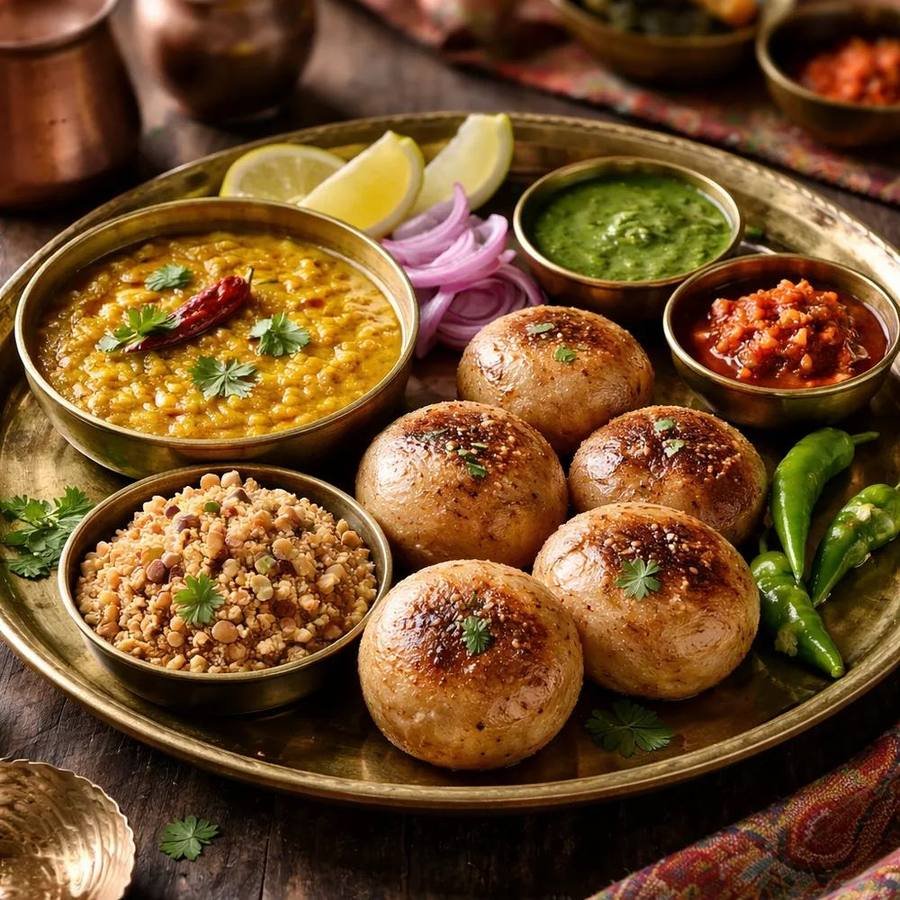
Combine It: Rajasthan in November
November is the single best month for Rajasthan travel — the summer heat is long gone, the desert air is clear, and the winter cold hasn't fully arrived. Pushkar slots naturally into a classic loop:
- 5-day short trip: Jaipur (2 nights) → Pushkar (2 nights, fair days) → Ajmer on the way out (1 night or a day stop).
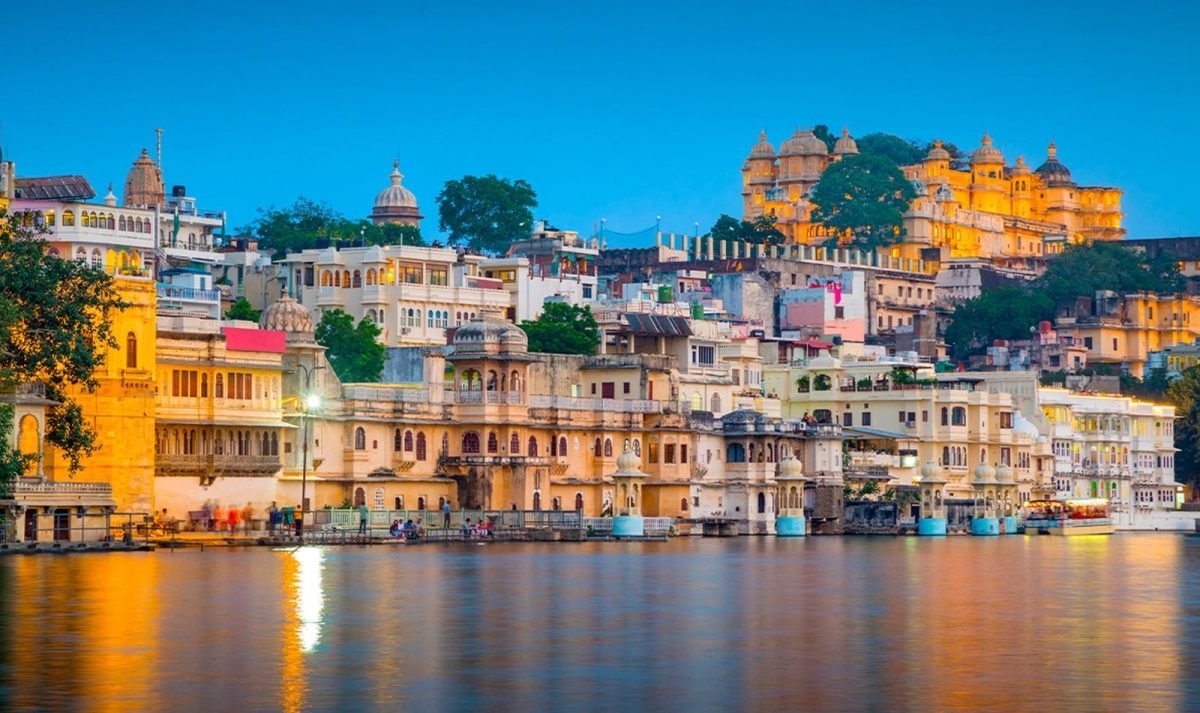
- 10-day full loop: Jaipur (2) → Pushkar (3, covering fair days) → Jodhpur (2) → Jaisalmer (2) → Udaipur (2), flying home from Udaipur.
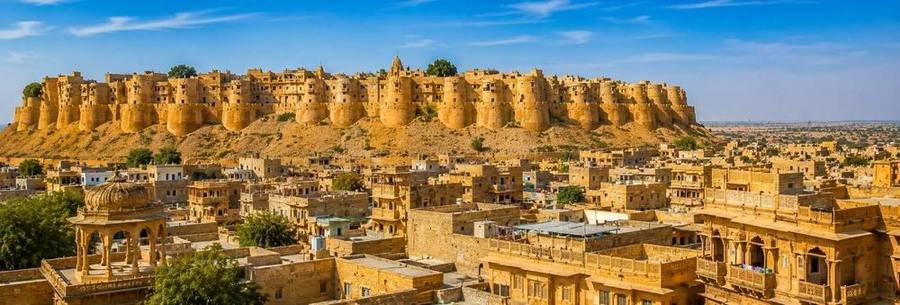
Expect daytime highs in the mid-to-high 20s°C, perfect for sightseeing — but desert nights drop to around 10–12°C, so a warm layer is essential for early mornings and evenings by the lake. Plan your loop through our guides: Jaipur, Jodhpur, Jaisalmer, Udaipur, and the Rajasthan state guide.
Watch & Feel the Place
Photographs tell you what the Pushkar Fair looks like — video tells you what it feels like. Two walk-throughs worth your time: a full fairground tour of the camel camps, competitions and lake ceremonies, and a storytelling guide to the fair's history and practical travel planning. Press play and start travelling.
Practical Tips for Fair Week
- Carry cash. ATMs around the fairgrounds and in Pushkar town run dry during fair week — carry enough for a few days of spending.
- Respect the crowds. Kartik Purnima days are the most crowded of the year in Pushkar; keep valuables minimal at the ghats and allow extra time to move around.
- Dress for the desert and the temple. Modest clothing, a warm layer for mornings and nights, sun protection for the fairground afternoons, and slip-off footwear for ghats and temples.
- Watch for touts. Pushkar's streets and ghats attract aggressive touts pushing guides, "boat rides" and "lucky bracelet" blessings. A firm, friendly no works. Self-styled priests sometimes press for large donations before the holy dip — genuine ritual needs no fixed fee, so agree nothing under pressure.
- Fix prices first. Camel rides, taxis, safari routes and market shopping all go smoother when the price is agreed before you start.
Frequently Asked Questions
When is the Pushkar Fair in 2026?
The Pushkar Fair 2026 runs from Tuesday 17 November to Tuesday 24 November 2026, per Rajasthan Tourism's official fairs calendar, with Kartik Purnima — the full-moon day and the fair's religious peak — on 24 November. The fair follows the Hindu lunar calendar, so dates shift yearly; confirm the official schedule closer to travel.
Is the Pushkar Fair free to enter?
Yes — there is no ticket for the fair itself, and the fairgrounds are free to enter. You pay for accommodation, desert camps, camel safaris, balloon rides and separately ticketed events.
How many days are enough for the Pushkar Fair?
Three to four days is ideal, and the middle stretch (roughly 19–22 November 2026) offers the best balance — trading is still active, the competitions and cultural programmes are on, and you avoid the heaviest Kartik Purnima crowds. Two full days cover the highlights comfortably.
Is November cold in Pushkar at night?
Days are pleasantly warm, in the mid-to-high 20s°C, but desert nights drop to around 10–12°C. A warm layer is essential for early mornings at the camel camps and evenings by the lake — and if you are staying in a desert camp, check what bedding is provided.
How do I get from Jaipur to Pushkar?
It is 145 km: a taxi or bus takes 3–4 hours directly. Or take a train from Jaipur to Ajmer (about 2–2.5 hours) and continue the last 15 km by taxi, bus or shared jeep. Jaipur International Airport is the main air gateway.
Is the camel trading real or just a show for tourists?
It is real. The fair began as a working livestock fair — genuine camel, horse and cattle traders negotiate genuine deals, especially in the early-morning hours of the first few days. The competitions and spectacles grew up around that tradition; the trading underneath is the real thing.
November is when Rajasthan shows its best face, and the Pushkar Fair is its most distinctive week. For the month's wider possibilities, see our best places to visit in India in November guide — and if you are still building your India list, start with the best places to visit in India pillar.
Plan Pushkar with the Festival Page
Dates, history, the fair's events and how it fits the wider festivals calendar — Pushkar across every festival we cover.
Open the Pushkar Camel Fair festival page →