
Sikkim · Food and Culture
Famous Food of Sikkim: Phagshapa, Thukpa & the Dishes You Won’t Find Elsewhere

By Beauty of Bharat — India travel guide, every place, every flavour.
Guides covering all 36 States and UTs, researched from official sources and checked at publish time. Corrections welcome — see About Beauty of Bharat.
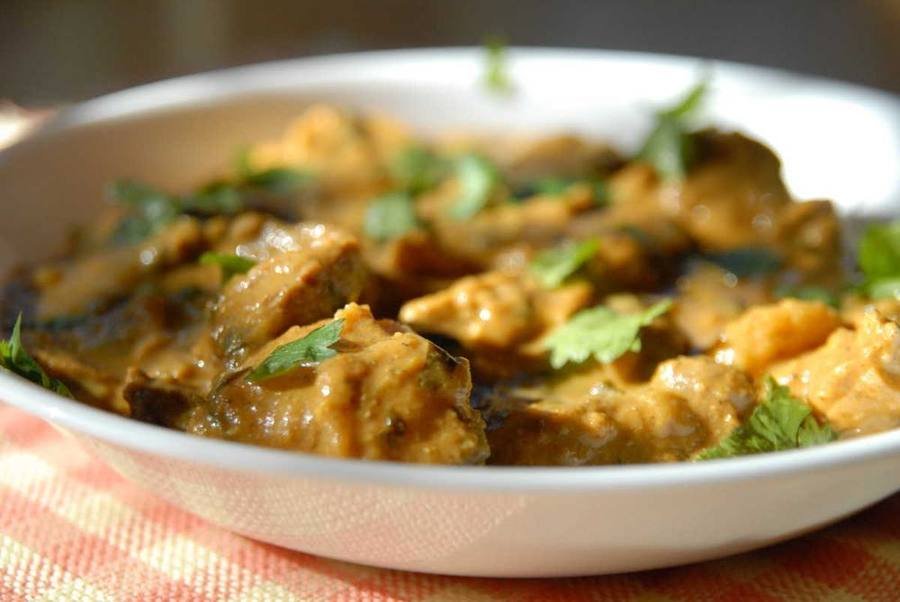
Sikkim is the only state in India where every farm is officially organic — and its most famous home dish is pork fat, stewed with radish and dried chillies, cooked without a drop of added oil. That contradiction is Sikkimese food in one bite: mountain farms and monastery kitchens, Nepali fermentation and Tibetan noodles, all on one small Himalayan table. The famous food of Sikkim is momos — steamed dumplings with a fiery tomato-chilli sauce — followed closely by thukpa, the noodle soup that warms every cold evening. But the dish Sikkimese people name first when asked about home cooking is phagshapa. This guide covers 12 dishes, from the famous pair to the fermented foods most visitors never hear about, with where to eat them in Gangtok and what to order.
| Dish | Roots | What it is | Try it as |
| 1. Phagshapa | Bhutia | Pork fat stewed with radish and dried red chillies | With rice |
| 2. Momos | Tibetan | Steamed or fried dumplings, meat or vegetable | Snack |
| 3. Thukpa | Tibetan | Handmade noodles in a hot, savoury broth | One-bowl meal |
| 4. Gundruk | Nepali | Fermented, sun-dried leafy greens | Soup or pickle |
| 5. Sel roti | Nepali | Ring-shaped sweet rice bread | Festival food |
| 6. Kinema | Limbu, Nepali | Fermented soybeans, cooked as a curry | With rice |
| 7. Sha phaley | Tibetan | Fried pastry stuffed with spiced meat | With tea |
| 8. Gyathuk & thenthuk | Tibetan | Hand-pulled and hand-torn noodle soups | One-bowl meal |
| 9. Chhurpi | Nepali, Bhutia | Hard cheese from yak or cow milk | Chewed as a snack |
| 10. Sinki | Nepali | Fermented radish taproot | Pickle or soup |
| 11. Butter tea | Bhutia, Tibetan | Salted tea churned with butter | Morning drink |
| 12. Tingmo | Tibetan | Soft steamed bread, plain or filled | With stews |
Spellings vary from menu to menu — chhurpi is also written churpi, sel roti as sael roti, thukpa as thukpa or gyathuk for its hand-pulled cousin. Ask by description if you cannot find the name.
What is the traditional food of Sikkim?
There is no single traditional food of Sikkim, because Sikkim eats from three kitchens that share one small state. The Bhutia and Tibetan kitchen gave the state its noodles, dumplings and butter tea — momos, thukpa, sha phaley and the pork dishes of the old royal court. The Nepali-speaking communities, today the majority, brought rice, dal and tarkari meals, fermented greens and the festival breads of Dasain and Tihar. And the Lepcha, the first people of Sikkim, cook with forest greens, ferns, bamboo shoots and millet. The thread that runs through all three is fermentation: gundruk, sinki, kinema and chhurpi are all foods made to keep through the mountain winter, and they give Sikkimese cooking its signature sour, smoky, sharp edge. Sikkim was declared India’s first fully organic state in January 2016, so the vegetables, ginger, turmeric and large cardamom on the plate come from farms that have phased out chemical fertilisers and pesticides.
What is the most famous food of Sikkim?
Momos, without a serious rival. Ask anyone from Sikkim what their comfort food is and the answer is almost always momos: delicate wheat dumplings stuffed with minced pork, chicken, buffalo or vegetables, sometimes mixed with ginger, garlic, onion and local spices, steamed in stacked aluminium pots from morning to night. What makes Sikkimese momos different is what comes with them — a fiery tomato-based sauce made with dried red chillies, and a cup of clear soup. A plate of eight to ten is an everyday meal, and the first thing most travellers eat in the state. Thukpa runs second: a hearty noodle soup of Tibetan origin, handmade noodles in a slow-simmered broth with vegetables and meat, fragrant with ginger and garlic, that turns up on every menu when the mountain mist rolls in. Together the two dishes are the public face of Sikkimese food — but they are only the doorway.
What is phagshapa?
Phagshapa is the dish many Sikkimese name first when asked about home food, and it is the one this post exists to answer for: strips of pork fat, often with some meat, stewed slowly with radish and dried red chillies. It is rich, oily and very spicy, and it is usually eaten with steamed rice. It is cooked without any added oil at all — the fat renders its own as it cooks, so the dish is stewed, not fried. Recipes vary from kitchen to kitchen: some add garlic and ginger, some use fermented radish or mustard leaves alongside the fresh radish, and the balance of fat to meat changes with the household. Phagshapa is a Bhutia home dish, served at family gatherings and festivals and in local restaurants and homestays, rather than in tourist cafes — if it is on the menu, you are eating where Sikkimese people eat. It was deliberately left out of our famous food of Meghalaya guide, because it is Sikkimese, not Meghalaya food, and it belongs here. See the dish itself: phagshapa.
Momos and thukpa: Sikkim’s famous pair
1. Momos — the dumplings that define the state
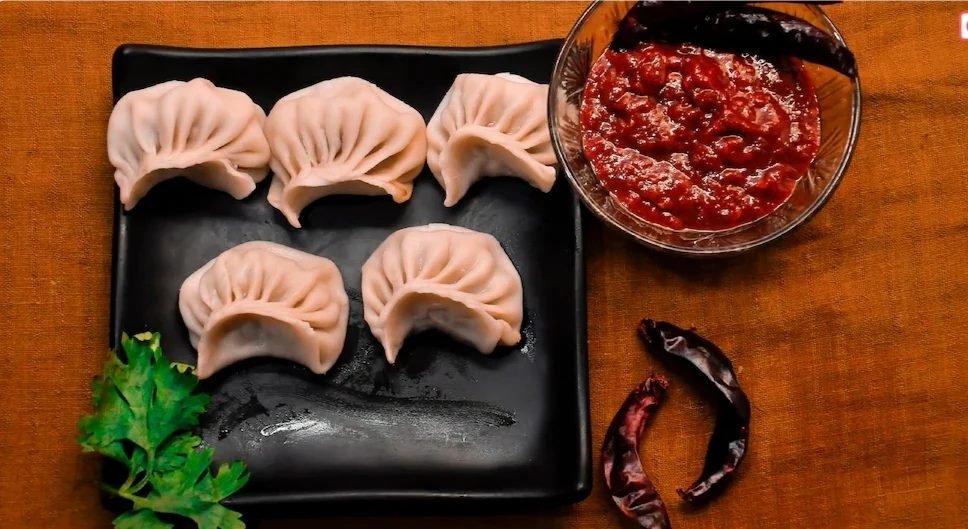
Momos came to Sikkim from Tibet and were shaped by Nepali hands into the state’s everyday food. The wrappers are paper-thin wheat dough; the fillings are minced pork, chicken, buffalo, cheese or finely chopped cabbage, carrot and spring onion for vegetarians. They are steamed, or fried until crisp, and served with the hot chilli sauce and a cup of soup made from the broth of the filling. Pork momos are the classic order in Gangtok. See the dish itself: momos.
2. Thukpa — a bowl of mountain warmth
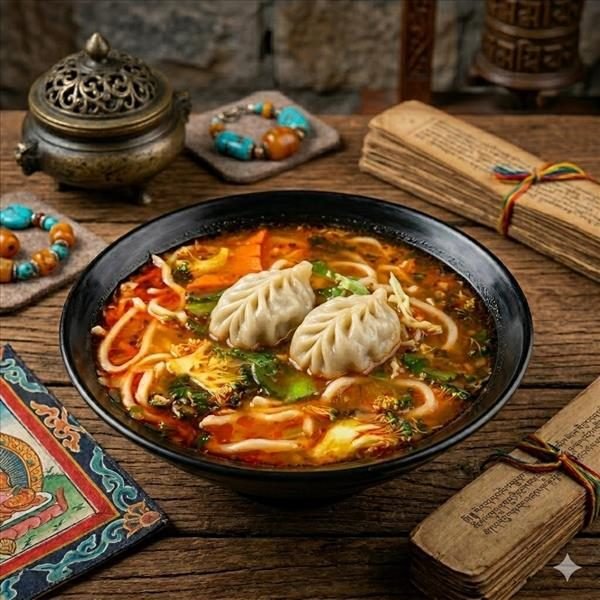
Thukpa is the dish Sikkim reaches for when the temperature drops: handmade wheat noodles in a rich broth with vegetables, egg and chicken, mutton or pork, fragrant with ginger, garlic and Sichuan pepper. The Gangtok version is often spicier than the Tibetan original, and every kitchen seasons its broth a little differently. It is a one-bowl supper, eaten with chopsticks and a spoon. See the dish itself: thukpa.
Fermented foods: gundruk, kinema, sinki and chhurpi
Fermentation is Sikkim’s oldest kitchen technology: the microbiologist Jyoti Prakash Tamang, who has spent decades studying the region’s foods, has documented dozens of fermented dishes from the Sikkim Himalaya. These four are the ones to know.
3. Gundruk — the taste of tradition

If one ingredient defines the authentic Sikkimese kitchen, it is gundruk: leafy greens, usually mustard, radish or cauliflower leaves, wilted, packed tightly into containers and left to ferment for several days before being dried in the sun. The result is slightly sour and intensely flavoured, and it is cooked into a soup, gundruk ko jhol, or eaten as a pickle with rice. See the dish itself: gundruk.
4. Kinema — the fermented soybean curry
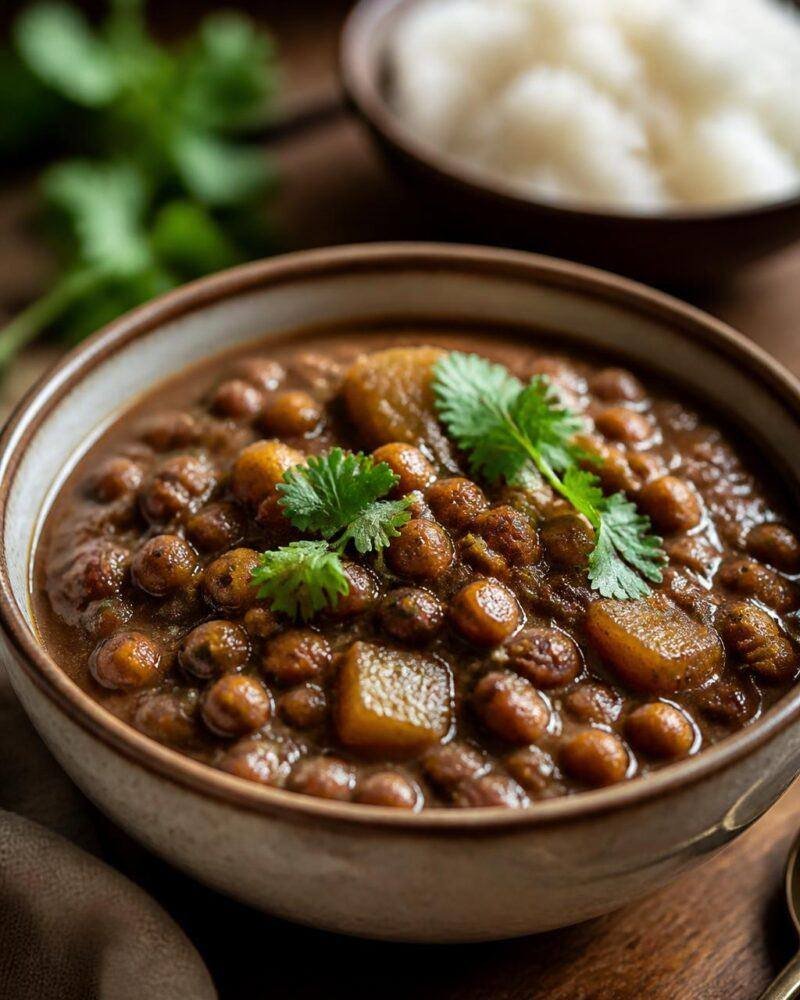
Kinema is fermented soybean, a Limbu and Nepali dish that is one of the oldest foods in the eastern Himalaya. The beans are cooked, fermented and then made into a thick, savoury curry, usually eaten with rice as part of a thali. It is an acquired taste — earthy, pungent and deeply savoury. See the dish itself: kinema.
5. Sinki — the fermented radish pickle
Sinki is gundruk’s quieter cousin: radish taproots, fermented and dried the same way, then cooked into a sour soup or eaten as a pickle. It turns up in Nepali kitchens and homestays rather than on restaurant menus, and it is worth asking for in a village thali. There is no verified photo of sinki in our library, so this one runs text-only.
6. Chhurpi — the cheese you chew like gum
Chhurpi is a hard cheese made from yak or cow milk, pressed into blocks and dried until it is hard enough to chew slowly, like gum, for an hour or more. The soft version is cooked into soups and pickles. You will see strings of hard chhurpi hanging in Gangtok’s Lal Bazaar. There is no verified photo of chhurpi in our library, so this one runs text-only.
Breads and breakfast: sel roti and tingmo
7. Sel roti — the festive ring bread

Sel roti is a ring-shaped sweet bread made from fermented rice batter, deep-fried until the edges are crisp and the centre stays soft. It is the festive bread of the Nepali-speaking communities, made in quantity for Dasain and Tihar and for weddings, and eaten for breakfast with aloo dum, the spiced potato curry. In Gangtok you will find it at sweet shops and morning stalls. See the dish itself: sel roti.
8. Tingmo — the steamed bread for stews
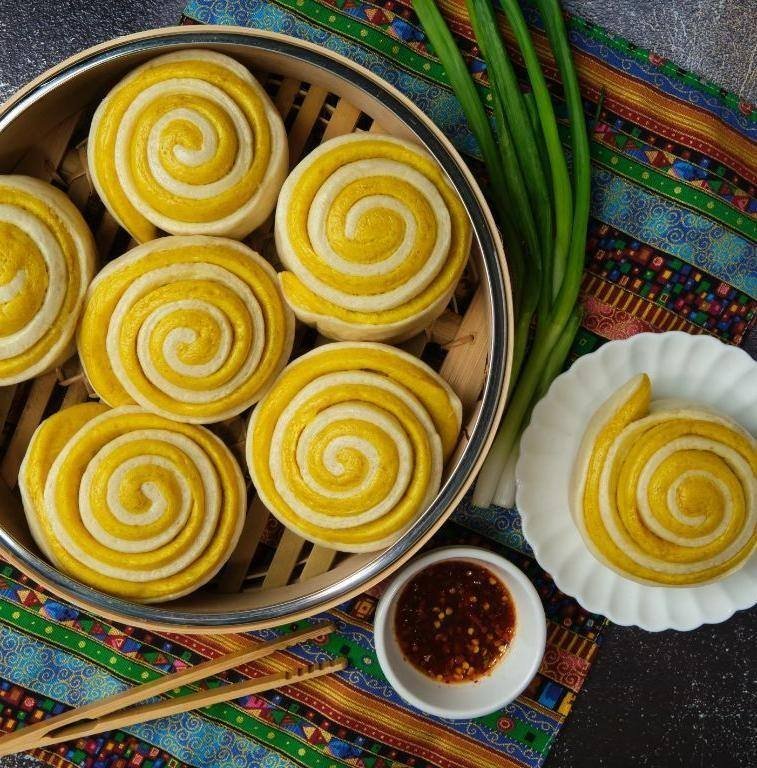
Tingmo is a soft, steamed Tibetan bread, plain or lightly filled, served alongside stews and curries the way a dinner roll is served elsewhere. It is at its best torn open and used to mop up a phagshapa or a vegetable curry.
Sha phaley and gyathuk: the Tibetan table beyond momos
9. Sha phaley — the fried meat pastry
Sha phaley is a Tibetan bread pocket stuffed with spiced minced meat, usually beef, and cabbage, folded into a semi-circle and deep-fried until it crunches. It is the snack of Gangtok’s cafes, eaten hot with tea, and the dish Mark Wiens ordered first at Taste of Tibet on MG Marg. There is no verified photo of sha phaley in our library, so this one runs text-only.
10. Gyathuk and thenthuk — noodles by hand
Thukpa has two close cousins worth ordering by name. Gyathuk is the same warming noodle soup made with hand-pulled noodles, and thenthuk is made with hand-torn flat noodles, shaved into bite-sized pieces and cooked in a thick soup with vegetables. There is no verified photo of gyathuk or thenthuk in our library, so these run text-only.
What to drink: butter tea and tongba
11. Butter tea — salted, churned and warming

Butter tea, or po cha, is tea churned with salt and butter until it is rich, salty and warming — the Bhutia and Tibetan answer to a cold Himalayan morning. It is an acquired taste for first-timers, but it is the drink that belongs with a monastery visit and a plate of tingmo. Sweet milky tea is the everyday alternative, sold everywhere for a few rupees a cup.
12. Tongba — millet beer through a bamboo straw
Tongba is the classic local drink of the Limbu community: fermented millet served warm in a wooden vessel and sipped through a bamboo straw, topped up with hot water as you drink. Chhang, the related millet beer, is served the same way. Both are alcoholic, served at festivals and in village homestays rather than in town restaurants. There is no verified photo of tongba in our library, so this one runs text-only.
Where to eat Sikkimese food in Gangtok
Start on MG Marg, Gangtok’s pedestrian main street: Taste of Tibet, on the third floor above the street, is the town’s best-known Tibetan kitchen, serving momos, thukpa, thenthuk and sha phaley, and Roll House is the go-to for mushroom cheese momos. Then walk down to Lal Bazaar, the morning market, for the other Sikkim: strings of hard chhurpi, piles of gundruk and sinki, round dalle khursani chillies and jars of local pickles, with Temi tea from Sikkim’s own estate. For the home dishes — phagshapa, gundruk soup, a Sikkimese thali — look for the small local restaurants and homestays rather than the tourist cafes, and ask your host what the kitchen is cooking that day. In December, the Gangtok Food and Culture Festival takes over MG Marg with stalls from across the state — the one week of the year when the whole table comes to one street. See our Sikkim in December guide for the festive month, and our Gangtok guide for the town itself.
Watch & Feel the Place: Sikkimese Food on Film
Videos are by their respective creators.
Famous Food of Sikkim FAQs
What is the most famous food of Sikkim?
Momos. The steamed dumplings — filled with pork, chicken, buffalo, vegetables or cheese and served with a fiery tomato-chilli sauce and a cup of clear soup — are the dish every traveller meets first, from Gangtok’s MG Marg to the smallest roadside stall. Thukpa, the Tibetan noodle soup, comes a close second.
What is phagshapa?
Phagshapa is a Bhutia-Sikkimese dish of strips of pork fat, often with some meat, stewed with radish and dried red chillies. It is rich, oily and very spicy, and is usually eaten with steamed rice. It is cooked without added oil, because the pork fat renders its own.
What is the traditional food of Sikkim?
There is no single traditional food, because Sikkim eats from three kitchens: the Bhutia and Tibetan table of momos, thukpa and butter tea; the Nepali table of rice, dal, fermented greens such as gundruk and sinki, and sel roti; and the Lepcha table of forest greens, millet and fermented foods such as kinema. Fermentation is the thread that runs through all three.
What is the famous food of Gangtok?
Momos are the best known food in Gangtok, followed by thukpa and thenthuk noodle soups and sha phaley, the fried meat pastry. For truly Sikkimese tastes, try phagshapa, gundruk soup, sel roti, chhurpi cheese and kinema.
Is Sikkimese food spicy?
Generally mild to moderately spicy. Most dishes rely on ginger, garlic and local chillies, and the heat usually comes from a chilli sauce or pickle served on the side. Phagshapa and the round dalle khursani chilli are the exceptions: both are genuinely fiery.
What is gundruk?
Gundruk is fermented, sun-dried leafy greens — usually mustard, radish or cauliflower leaves. The leaves are wilted, packed tightly, left to ferment for several days and then dried in the sun. The result is a sour, intensely flavoured ingredient cooked into a soup, gundruk ko jhol, or eaten as a pickle with rice.
Momos are the doorway and phagshapa is the room beyond them: start with the dumplings on MG Marg, then order the pork stew, the fermented greens and a ring of sel roti, and you will have eaten Sikkim rather than just visited it. Next, read our best places to visit in Sikkim guide to plan the trip around the table, and famous foods of India to eat your way through the other 35 States and UTs.
Plan your Sikkim trip
Twelve dishes, three kitchens and one organic Himalayan table — in India’s smallest north-eastern state.
Sikkim state guide →