
What to Eat in Maharashtra · State Food Guide
What to Eat in Maharashtra: 12 Dishes from Misal Pav to Puran Poli

By Beauty of Bharat — India travel guide, every place, every flavour.
Guides covering all 36 States and UTs, researched from official sources and checked at publish time. Corrections welcome — see About Beauty of Bharat.

Did you know Mumbai's most famous snack was invented by accident? In 1966, a street vendor named Ashok Vaidya set up a small stall outside Dadar railway station, selling vada and poha to textile-mill workers hurrying past. One day he slipped a fried potato vada inside a pav from the neighbouring stall, added chutney — and the vada pav was born. That happy accident is the perfect way into the famous food of Maharashtra: practical, bold, and made for real life. This guide covers 12 dishes that define the state — from misal pav and pav bhaji to Kolhapuri rassa, solkadhi and puran poli — with what each one tastes like and where it comes from.
Maharashtra's food changes as you travel it. Mumbai brings the street snacks, Pune the spicy misal, Kolhapur the fiercest curries in the state, the Konkan coast its seafood and coconut, and the Deccan interior its bhakri, dal and fasting dishes. For the wider state, see our Maharashtra state guide, and for the national picture, our best food in India guide.
Mumbai's street-food icons
1. Vada Pav — the snack that started at a station

A spiced mashed-potato ball (batata vada) dipped in gram-flour batter, fried crisp, and tucked into a soft pav with dry garlic chutney, green chutney and a fried green chilli. It is cheap, filling and eaten one-handed — exactly what the mill workers of 1960s Mumbai needed, and it has stayed that way ever since. Our full guide: vada pav.
2. Pav Bhaji — Mumbai's mashed-vegetable legend

Potatoes, cauliflower, peas and tomatoes mashed together on a giant tawa with butter and pav bhaji masala, served with soft pav toasted in more butter and a wedge of lemon. It began as a quick late-night meal for Mumbai's mill workers and is now the city's most-ordered street dish. Rich, tangy and unapologetically buttery. Our full guide: pav bhaji.
3. Misal Pav — Maharashtra's fiery breakfast

Misal is a spicy curry of sprouted moth beans (matki) topped with crunchy farsan, chopped onion, coriander and lemon, eaten with pav to scoop it up. Every city argues its version is best: Kolhapuri misal is the hottest, Puneri misal balances heat with a touch of sweetness, and Nashik's version is known for its dark, spicy tarri. Order it "extra tarri" only if you mean it. Our full guide: misal pav.
Home-style Maharashtrian classics
4. Bharli Vangi — stuffed baby brinjals

Small purple brinjals slit and stuffed with a roasted masala of peanuts, sesame, coconut, coriander and the state's signature goda masala, then simmered until soft. It is the classic festive vegetable of a Maharashtrian home, usually served with bhakri or chapati and varan-bhaat. Our full guide: bharli vangi.
5. Thalipeeth — the multigrain pancake
Thalipeeth is a savoury pancake patted out by hand from bhajani, a roasted multigrain flour of jowar, bajra, wheat and pulses, mixed with onion, coriander and green chilli. Crisp at the edges and soft inside, it is served with white butter, curd or a dollop of pickle — a breakfast that is as old as the Deccan farmhouse kitchen.
6. Zunka Bhakri — the Deccan's humble hero
Zunka is a thick, dryish preparation of chickpea flour (besan) tempered with mustard, cumin, garlic and green chilli, eaten with jowar bhakri — the hand-patted unleavened flatbread of the dry Deccan plateau — plus raw onion and a green chilli. It is peasant food at its proudest: simple, filling, and deeply tied to the farms of Marathwada and Vidarbha.
7. Sabudana Khichdi — the fasting favourite
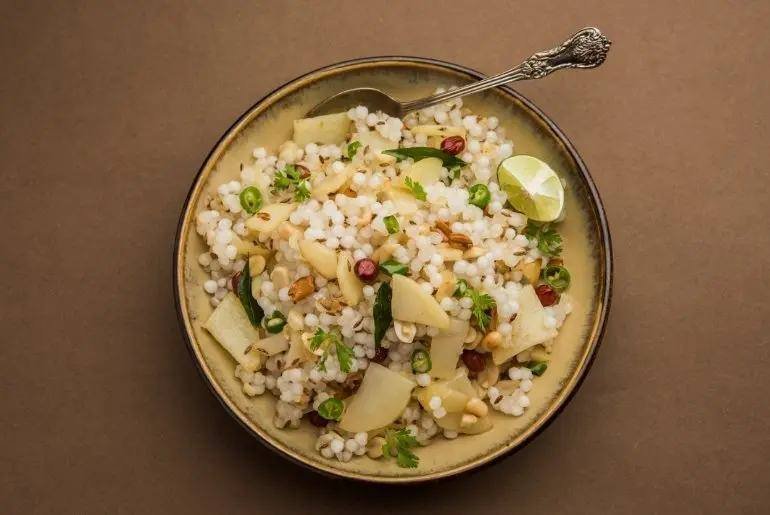
Soaked sago pearls tossed with roasted peanuts, potato, cumin and curry leaves, finished with lemon. It is the dish of fasting days — especially during Shravan and Navratri — but so many Maharashtrians love it that it is eaten all year round, often for breakfast with a cup of tea.
The fiery south and the Konkan coast
8. Kolhapuri cuisine — tambda and pandhra rassa
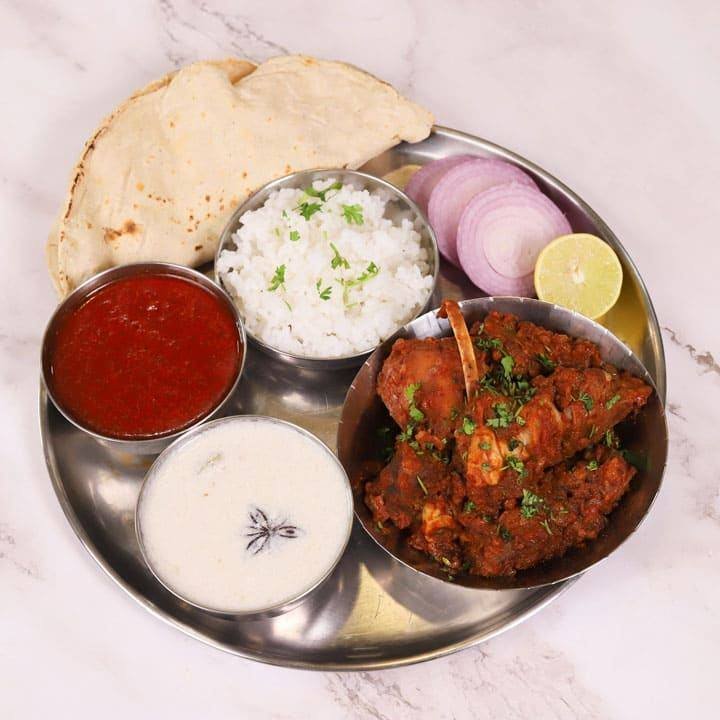
Kolhapur, in southern Maharashtra, cooks the hottest food in the state. Its calling card is a pair of mutton broths: tambda rassa, a blazing-red curry built on local Lavangi chillies and kanda-lasun (onion-garlic) masala, and pandhra rassa, a gentler white broth enriched with coconut and cashew. Together with mutton sukka and bhakri, they are the meal to ask for in Kolhapur — and the heat is not a joke. Our full guide: Kolhapuri-style cuisine.
9. Solkadhi — the Konkan's pink cooler
Solkadhi is the coastal Konkan's answer to a hot meal: kokum steeped in coconut milk with garlic, green chilli and coriander, served chilled in a glass. It cools the palate after spicy seafood, aids digestion, and its soft pink colour comes entirely from the kokum fruit. You will find it alongside fish thalis all along the coast, from Mumbai down to the Goa border.
10. Bombil Fry — Bombay duck, crisped
Bombil, or Bombay duck, is a soft, gelatinous fish of the Konkan and Mumbai coast, coated in rice flour and semolina with red chilli and turmeric, and fried until crisp outside and melting inside. It is the dish that best captures coastal Maharashtra: a fish so delicate it barely holds together, turned into a crunchy, fiery snack.
Sweets to finish
11. Puran Poli — the festive sweet flatbread
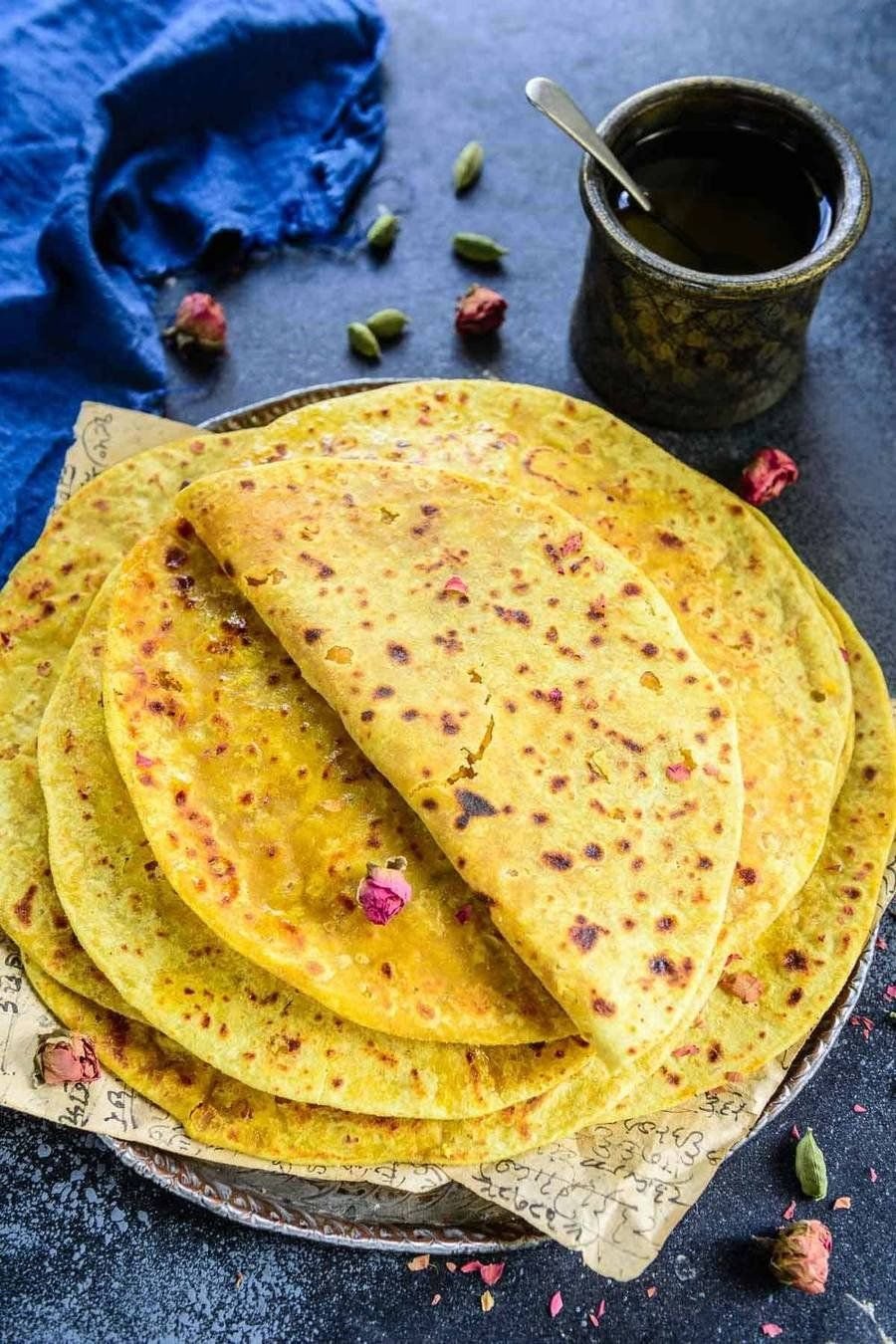
A soft flatbread stuffed with puran — chana dal cooked soft and mashed with jaggery, cardamom and nutmeg — rolled out thin and roasted with ghee. It is the sweet of Holi, Gudi Padwa and Diwali in Maharashtra, served warm with ghee or a bowl of katachi amti, the thin spiced dal made from the same cooking water. Rolling it without tearing takes years of practice. Our full guide: puran poli.
12. Modak — the sweet Lord Ganesha loves
Modak is Maharashtra's most beloved festive sweet: a dumpling of rice flour (ukdiche modak, steamed) or wheat flour (fried), filled with coconut and jaggery scented with cardamom. It is inseparable from Ganesh Chaturthi — Mumbai's biggest festival — when it is offered to Ganesha first and eaten by everyone after. The steamed version, soft and delicate, is the one to seek out during the festival.
Watch & feel the place
Before you plan the eating, watch how these dishes actually come together on Mumbai's streets and in Maharashtrian kitchens.
Frequently asked questions
What is the most famous food of Maharashtra?
Vada pav is the state's most famous dish — a Mumbai street snack now eaten across India — followed closely by misal pav, pav bhaji and puran poli. Together they cover the state's street food, breakfast and festive sweet in four bites.
Is Maharashtrian food very spicy?
It depends where you eat. Kolhapuri cooking in the south is famously fiery, and misal pav can be very hot, but much of home-style Maharashtrian food — varan-bhaat, thalipeeth, sabudana khichdi, puran poli — is mild and gently spiced. Ask for the heat level before ordering misal or Kolhapuri rassa.
What is the difference between Kolhapuri and Puneri misal?
Kolhapuri misal is the hottest, built on a fiery red tarri, while Puneri misal is milder and slightly sweet, often with a poha or potato base. Nashik's version is known for its dark, spicy tarri. The toppings — farsan, onion, lemon — stay the same.
Was vada pav really invented at Dadar station?
That is the most widely told account: Ashok Vaidya is credited with selling the first vada pav from a stall outside Dadar station in Mumbai in 1966, feeding textile-mill workers. Some accounts credit other early vendors, but Dadar in the 1960s is where the dish's story begins.
What should vegetarians try in Maharashtra?
Almost everything in this guide except the Kolhapuri mutton and bombil fry is vegetarian: vada pav, misal pav, pav bhaji, bharli vangi, thalipeeth, zunka bhakri, sabudana khichdi, solkadhi, puran poli and modak. Maharashtra is one of India's easiest states for vegetarian eating.
When is the best time to taste festive Maharashtrian food?
Ganesh Chaturthi (August–September) is the big one — modak everywhere, especially in Mumbai and Pune — while Holi and Gudi Padwa are the days for puran poli. Street food like vada pav and misal pav is available all year round.
Twelve dishes in, and Maharashtra still has more to give — the fish thalis of the Konkan, the saoji curries of Nagpur, and Pune's own misal trail are all worth a trip of their own. Next, taste the neighbouring coast: read our Famous Food of Goa guide, and compare it with Famous Food of Gujarat to see how the west coast's flavours change state by state.
Plan Your Maharashtra Food Trip
Start with a vada pav in Mumbai, a misal in Pune, and a fiery rassa in Kolhapur — then finish with puran poli.
Browse more travel guides →