
India Travel Guide · Winter & Snow
Best Winter Places in India for Snow Lovers

By Beauty of Bharat — India travel guide, every place, every flavour.
Guides covering all 36 States and UTs, researched from official sources and checked at publish time. Corrections welcome — see About Beauty of Bharat.
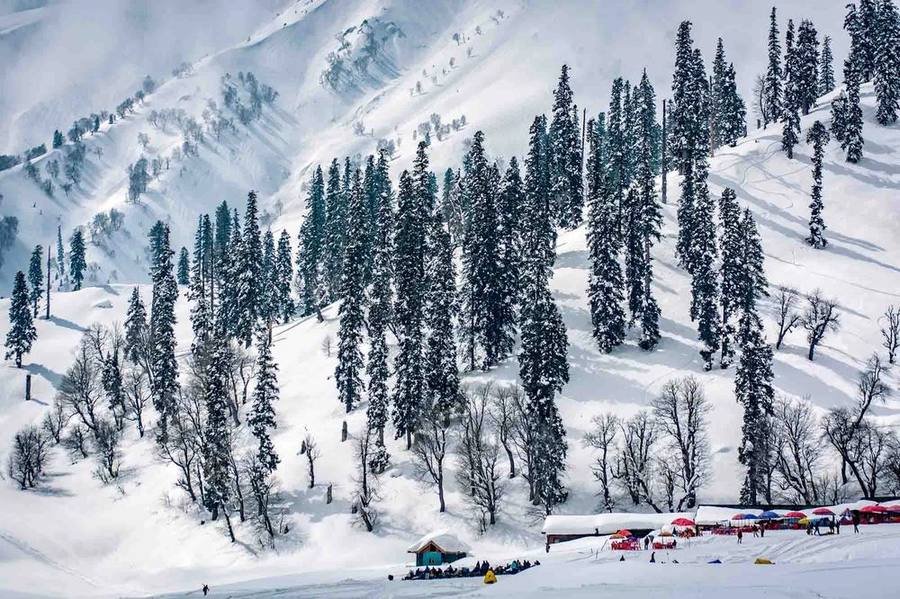
For the most reliable snow in India, go to Gulmarg in Kashmir between December and March, with January and February the peak snow months. If you want a wider choice, add Manali and Solang Valley, Auli, Shimla and Kufri, early-winter Spiti, Tawang, Lachung and Yumthang in North Sikkim, and Dalhousie and Khajjiar. Together these eight destinations cover first-time snow watchers, skiers, families and travellers who would rather have a quiet mountain town than a ski resort. Snow in India is a seasonal pattern, not a promise: the same town can be buried one January and nearly bare the next, so this guide gives typical windows, honest caveats and what to check before you travel, rather than guarantees.
If you are planning a broader winter trip, start with our best places to visit in India in December and best places to visit in India in January guides — this post is the snow-specific master list, for travellers whose first question is simply: where will I actually find snow?
The Snow at a Glance
| Place | Typical snow window | Best for |
|---|---|---|
| Gulmarg, Jammu & Kashmir | December to March | Skiing, Gondola rides, first-timers and serious skiers |
| Manali & Solang Valley, Himachal Pradesh | December to February | Easy family snow, adventure activities, Atal Tunnel day trips |
| Auli, Uttarakhand | Late December to February | Ski slopes with Nanda Devi views, ropeway rides |
| Shimla & Kufri, Himachal Pradesh | December to February, intermittent | A festive hill-station break; snow is a bonus, not a certainty |
| Spiti Valley (early winter), Himachal Pradesh | November to December | Stark high-desert winter, photography, solitude |
| Tawang, Arunachal Pradesh | December to February | Monasteries, high passes and far-eastern Himalayan snow |
| Lachung & Yumthang, North Sikkim | December to February | Snow valleys, hot springs, quiet mountain villages |
| Dalhousie & Khajjiar, Himachal Pradesh | December to February | Quiet colonial hill town and a snow-dusted meadow |
Windows above describe typical patterns drawn from how these winters usually run. A warm week can melt a town's snow, and a single western disturbance can bury it overnight — always check live conditions in the days before you travel.
1. Gulmarg, Jammu & Kashmir — India's Snow Capital
Snow window: typically December to March, with the deepest and most reliable snow in January and February. The Gulmarg Gondola climbs in two phases toward Apharwat, and the upper slopes hold snow well after the town's lower meadows have thawed.
Why it tops the list: Gulmarg is the one Indian snow destination where you can plan a ski trip rather than merely hope for snow. There are groomed slopes for beginners, instructors and rental gear in town, and the Gondola ride itself is worth the trip even if you never click into skis.
Getting there: fly to Srinagar, then drive about 50 km to Gulmarg — a journey that can stretch considerably in a snowstorm, so keep a buffer day. Watch out: Gondola tickets and good hotels sell out in peak weeks, and heavy snowfall can close the road for a day. Book Gondola slots and stays early, and carry warm layers even for the Gondola queue. See our Gulmarg guide and the Jammu & Kashmir guide.
2. Manali & Solang Valley, Himachal Pradesh — The Easy Family Snow Trip

Snow window: Manali town typically sees snow from December to January, though in some years it is light; Solang Valley, about 13 km uphill, holds snow more reliably and is the safer bet for snow activities.
Why go: Manali is the easiest snow trip in India from Delhi — an overnight bus or a flight to Bhuntar, then a short drive. Solang offers skiing, snowboarding, sledging and ropeway rides in one compact valley, and the Atal Tunnel opens a dramatic day trip to the snowy Lahaul side at Sissu.
Getting there: road from Delhi or Chandigarh, or fly to Bhuntar and drive on. Watch out: weekend traffic from Delhi is intense in peak season, and hotels without proper heating make cold nights miserable — confirm heating before you book. See our Manali guide and the Himachal Pradesh guide.
3. Auli, Uttarakhand — Ski Slopes Facing Nanda Devi
Snow window: typically late December to February, with slopes for beginners as well as longer runs for experienced skiers. Auli is a meadow, not a town — the experience is the mountain itself.
Why go: the setting is unmatched: a wide ski meadow facing the Nanda Devi massif, reached by a ropeway from Joshimath that is itself one of the great Himalayan rides. Ski schools and rental gear operate through the season, and the views on a clear morning are the reason to come even if you never ski.
Getting there: drive to Joshimath via Rishikesh and the Alaknanda valley, then take the ropeway (or the road) up to Auli. Watch out: storms can block the mountain road for a day, so keep buffer days and book ropeway and ski slots ahead in peak weeks. This is a text-only entry: no verified photo of Auli itself was available, so we show none rather than a substitute. See the Uttarakhand guide.
4. Shimla & Kufri, Himachal Pradesh — Festive, With Snow as a Bonus

Snow window: Shimla typically sees snowfall at some point between December and February, but it is intermittent — a winter trip here should be planned for the town, not the snowfall. Kufri, about 16 km higher up, catches snow more often and is the better bet for a snow day trip.
Why go: the Ridge and Mall Road dressed for Christmas, crisp sunny days, toy-train views, and colonial-era walks — plus a real chance of waking to snow. It is the best snow-adjacent choice for travellers who want town comforts, cafés and easy transport.
Getting there: overnight train or road to Kalka, then the narrow-gauge toy train up to Shimla, or drive from Chandigarh. Watch out: do not build the whole trip around a snowfall forecast — if snow is the point, pair Shimla with Manali or Gulmarg. See our Shimla guide.
5. Spiti Valley in Early Winter, Himachal Pradesh — The Stark One
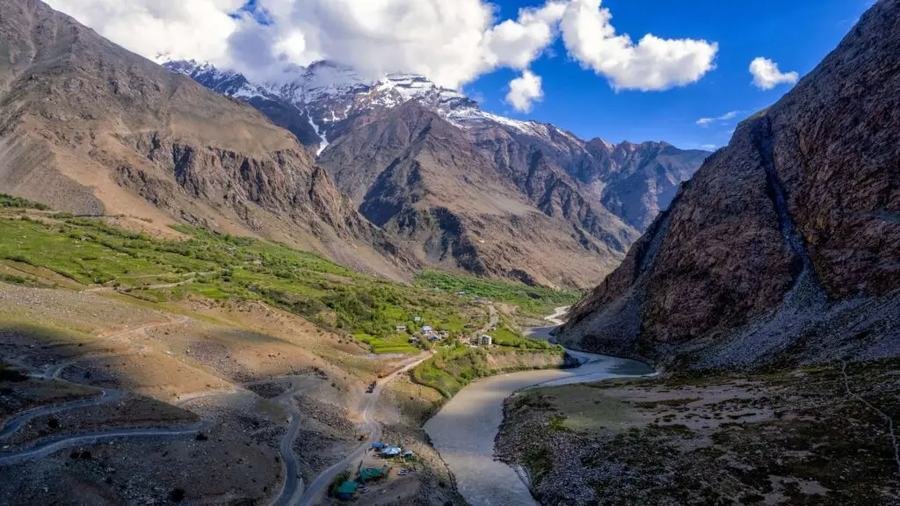
Snow window: early winter — roughly November to December — is the window for Spiti. Once deep winter sets in, temperatures plunge far below freezing, many guesthouses close, and access becomes difficult; the classic Spiti winter experience is really an early-winter one.
Why go: nowhere else in India looks like Spiti in winter: a high desert of frozen rivers, white-capped passes and thousand-year-old monasteries at Kaza, Tabo and Dhankar, with almost no other travellers. Photographers and solitude-seekers love it precisely because it is hard.
Getting there: via Shimla and Kinnaur (the Rohtang route from Manali is a summer route and closes in winter). Watch out: this is the highest, coldest and least forgiving entry on this list — check road status with local authorities before setting out, travel with a local driver, and do not attempt it without warm gear rated for serious cold. See our Spiti Valley guide.
6. Tawang, Arunachal Pradesh — The Far East's Snow Town
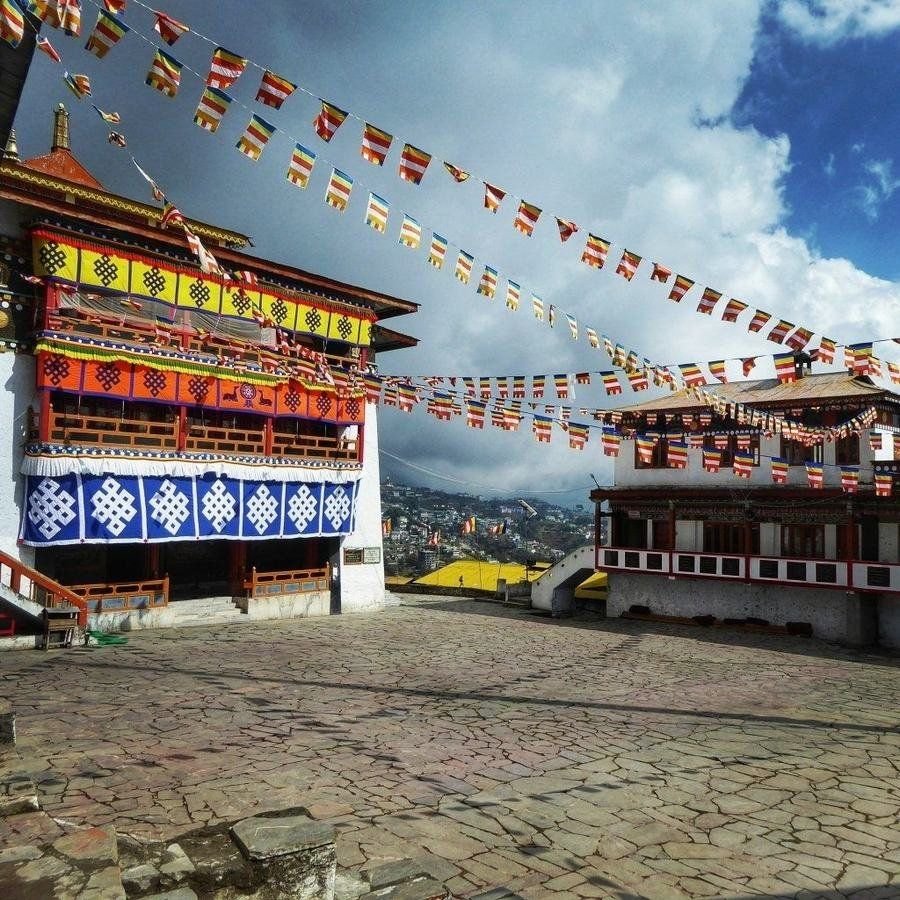
Snow window: typically December to February, with snow on the town and heavier falls at Sela Pass on the way in.
Why go: Tawang pairs snow with something no other entry offers: one of India's great monasteries, high-altitude lakes like the frozen PT Tso, and the eastern Himalaya's distinct culture. The drive in — over the 4,170-metre Sela Pass — is itself the adventure.
Getting there: fly to Guwahati or Tezpur, then a long mountain drive via Bomdila and Dirang, usually over two days. Watch out: Indian citizens need an Inner Line Permit for Arunachal Pradesh — arrange it before you travel — and Sela Pass can close in heavy snow, so build in buffer days. See our Tawang guide and the Arunachal Pradesh guide.
7. Lachung & Yumthang Valley, North Sikkim — Snow Valleys and Hot Springs

Snow window: typically December to February, when Yumthang Valley — famous for summer flowers — turns into a snow valley, and the Yumthang hot springs steam against the cold.
Why go: the combination is rare: snow-covered valley floors, a riverside hot spring, and the quiet mountain village of Lachung as a base. It is gentler than Spiti and less crowded than Manali, and pairs naturally with Gangtok.
Getting there: fly or train to Bagdogra or New Jalpaiguri, drive to Gangtok, then north to Lachung — usually a two-day journey. Watch out: North Sikkim is a protected area: permits are required and are normally arranged through a registered local tour operator, and roads to Yumthang can close after heavy snow. Confirm permit and road status before booking. See our Lachung guide and the Sikkim guide.
8. Dalhousie & Khajjiar, Himachal Pradesh — The Quiet Alternative
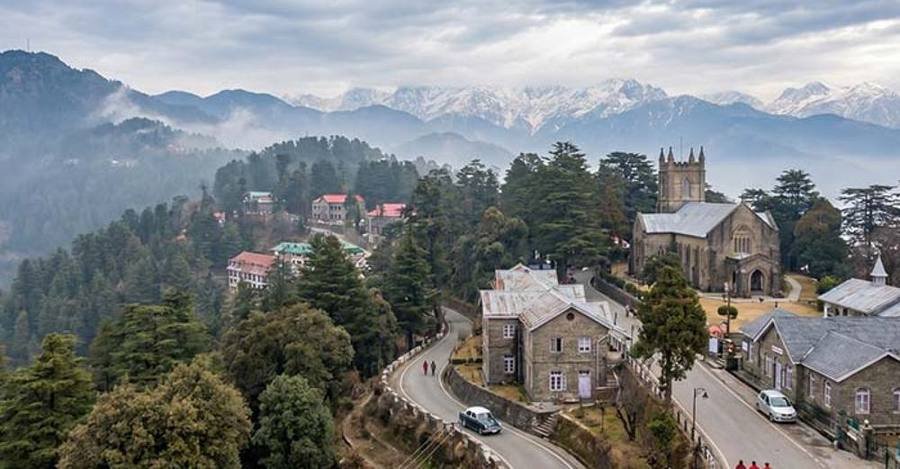
Snow window: typically December to February, with snow in Dalhousie itself in colder spells and more reliable snow on the Khajjiar meadow nearby.
Why go: Dalhousie is for travellers who want snow without the ski-resort scene: colonial-era walks, pine forests, views across to the Dhauladhar range, and the Khajjiar meadow — often called a mini Switzerland — a short drive away. It is also noticeably quieter than Shimla or Manali in peak weeks.
Getting there: drive from Pathankot or Dalhousie road from Chandigarh; the nearest railhead is Pathankot. Watch out: snowfall here is lighter and less certain than in Gulmarg or Solang — treat snow as a welcome bonus to a beautiful hill-town break. See our Dalhousie guide.
Pick by Traveller Type
First time seeing snow? Gulmarg and Solang Valley are the kindest introductions: instructors, rental gear, short gentle slopes and a town at the bottom of the mountain. Manali also wins for families, because a snow day can be swapped for cafés, markets and the Atal Tunnel drive if the weather turns.
Here to ski properly? Gulmarg for depth and altitude, Auli for uncrowded slopes and the finest mountain backdrop in India. Both reward a stay of several days rather than a rushed weekend, and both need early booking for instructors and Gondola or ropeway slots in peak weeks.
Want snow without the crowds? Dalhousie and Khajjiar, Lachung and Yumthang, and early-winter Spiti all trade some snow certainty for quiet. Tawang suits travellers who want culture with their snow — a monastery town rather than a resort — and are happy with a longer journey to reach it.
Travelling on a tighter budget? Shimla and Dalhousie keep costs down with easy transport and a wide range of stays, and travelling in early December — before the Christmas–New Year spike — stretches the same budget across every destination on this list.
Before You Book: The Honest Caveats
- Snow is never guaranteed. Forecasts beyond a few days are unreliable in the mountains. Pick a destination with the best typical odds (Gulmarg first), then check the forecast in the final week — and be ready to enjoy the mountains even if the snow is thin.
- Roads close. Sela Pass, the road to Yumthang, the Shimla–Kaza route and the Srinagar–Gulmarg road can all shut after heavy snow. Build at least one buffer day into any snow trip, and never plan a same-day flight home after a mountain drive.
- Altitude matters. Tawang, Spiti and the upper Gondola all sit high enough for altitude discomfort. Ascend gradually, keep the first day easy, drink water, and descend if headaches or breathlessness persist.
- Check live conditions. Before you leave, check the India Meteorological Department forecast, the state tourism or district administration advisories, and your hotel's on-the-ground report — in that order, and closest to departure.
- Heating is not optional. In every town on this list, confirm your stay has real heating. A beautiful room at 2°C is a ruined trip.
What to Pack for an Indian Snow Trip
Think layers, not one giant jacket: thermal base layers, a fleece, and a windproof, waterproof outer shell; waterproof boots with grip (town shoes fail on icy lanes); woollen cap, gloves and a neck gaiter; sunscreen and lip balm — high-altitude sun on snow burns fast; and a small daypack for the layers you shed by midday. For skiers, rent gear in resort towns rather than buying it for one trip, and always carry a power bank: cold drains phone batteries quickly.
Watch & Feel the Place
Two films from Gulmarg — the first a cinematic ski run, the second a skier's-eye challenge on the Kongdoori slopes — to feel the snow before you book.
Frequently Asked Questions
Which place in India has the most reliable snow in winter?
Gulmarg in Kashmir — snow typically from December to March, deepest in January and February, with the Gondola reaching slopes that hold snow long after lower areas thaw.
Which month is best for snow in India?
January and February are the peak snow months across the Himalaya. December works well in Gulmarg and Solang Valley, while early winter (November to December) is the window for Spiti.
Can I see snow in India in December?
Yes — Gulmarg, Solang Valley and Auli are usually snowy by mid-to-late December, and Shimla, Dalhousie and Tawang often see their first snowfalls in December, though they are less certain.
Do I need permits for Tawang or North Sikkim?
Yes. Indian citizens need an Inner Line Permit for Arunachal Pradesh (Tawang), and North Sikkim (Lachung and Yumthang) requires a protected-area permit normally arranged through a registered local tour operator. Check current rules before booking.
Is it safe to drive to snow places in winter?
Mountain winter driving needs care: use a local driver, keep buffer days, carry chains where advised, and check road status with local authorities before setting out. Never plan a same-day flight home after a mountain drive in snow season.
What should I pack for a snow trip in India?
Thermal base layers, a fleece, a windproof and waterproof outer shell, waterproof boots with grip, a woollen cap, gloves and a neck gaiter, plus sunscreen — high-altitude sun on snow burns fast.
Snow trips reward the traveller who plans for the mountains as they are, not as the photographs promise. Pick your odds, pack for the cold, keep a buffer day — and enjoy the quiet that only a snow-covered Himalayan town has. For the full picture, see the best places to visit in India guide, and browse more ideas on the blog home.
Plan Winter with the Full Guide
188 destinations, 154 offbeat places and every state across India — find your winter trip in the complete guide.
Open the full India guide →