
Delhi · Markets & Shopping Guide
Best Shopping Markets in Delhi

By Beauty of Bharat — India travel guide, every place, every flavour.
Guides covering all 36 States and UTs, researched from official sources and checked at publish time. Corrections welcome — see About Beauty of Bharat.
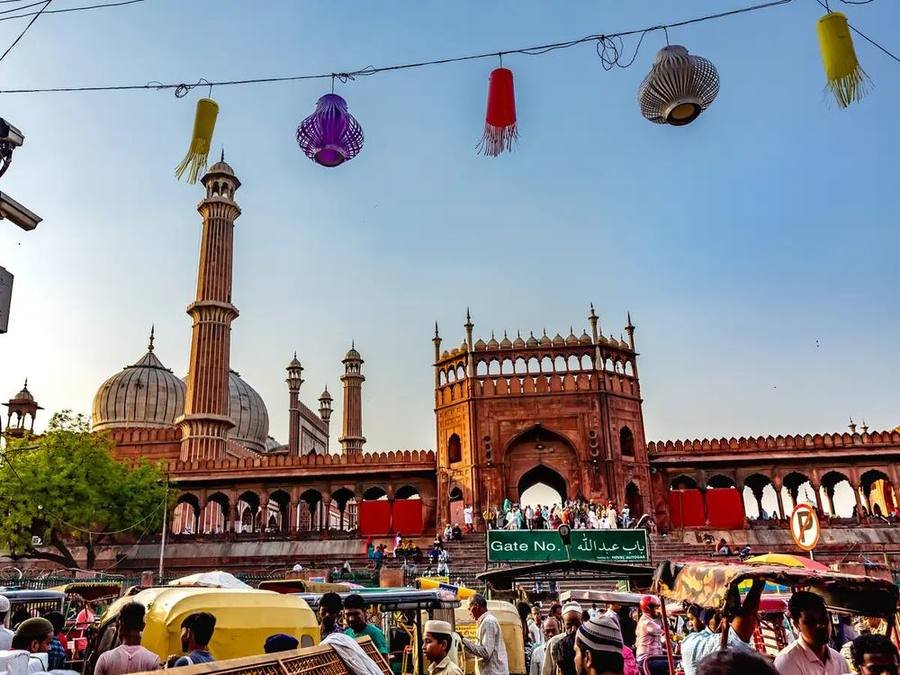
Delhi's oldest market was laid out in 1650 by a Mughal princess, with a canal running down its middle that caught the moonlight — which is how Chandni Chowk, "Moonlight Square", got its name. More than 370 years later, that same street is still the city's best place to shop for a wedding, and it is only the start. The best shopping markets in Delhi are Chandni Chowk for wedding shopping and old-Delhi atmosphere, Sarojini Nagar for the cheapest clothes, Janpath for handicrafts, Dilli Haat INA for crafts from every Indian state, Lajpat Nagar for fabrics and ethnic wear, Khan Market for upmarket boutiques, and Karol Bagh for bridal wear and electronics. Most open around 10–11 am and close by 8–9 pm, and almost every one sits a short walk from a metro station — so you can cross the city by train and shop on foot. See our Delhi state guide for the wider city.
What are the best shopping markets in Delhi?
| Market | Best for | Nearest metro | Weekly off |
|---|---|---|---|
| Chandni Chowk | Wedding shopping, fabrics, silver, street food | Chandni Chowk (Yellow Line) | Sunday (most shops) |
| Sarojini Nagar | Cheapest clothes, export surplus | Sarojini Nagar (Pink Line) | Monday |
| Janpath | Handicrafts, Tibetan goods, jewellery | Janpath (Violet Line) | Sunday |
| Dilli Haat INA | Crafts from all states, regional food | INA (Yellow & Pink Lines) | Open daily* |
| Lajpat Nagar | Fabrics, ethnic wear, mehendi | Lajpat Nagar (Pink & Violet Lines) | Monday |
| Khan Market | Boutiques, books, cafes | Khan Market (Violet Line) | Open daily* |
| Karol Bagh | Bridal wear, electronics (Ghaffar Market) | Karol Bagh (Blue Line) | Monday |
| Connaught Place | Brands, Palika Bazaar bargains | Rajiv Chowk (Yellow & Blue Lines) | Check before you go |
*Hours and weekly offs change by lane and season — check before you go, especially on festival days.
1. Chandni Chowk — the 375-year-old market
Chandni Chowk is the market every other Delhi market is measured against. Built in the 17th century when Shah Jahan moved his capital to Shahjahanabad, it was designed by his daughter, Princess Jahanara Begum, and laid out as the walled city's main street — from the Lahori Gate of the Red Fort to Fatehpuri Masjid, about a kilometre and a half of shops. The canal that once ran down its centre reflected the moonlight, and the name stuck. Today each lane has its own trade: Kinari Bazaar for wedding laces, trims and fabrics; Dariba Kalan for silver jewellery; Khari Baoli for spices; Meena Bazaar, near Jama Masjid, for clothes. Come for a wedding trousseau, stay for the food — this is also the city's great street-food quarter, so arrive hungry. Read our best street food in Delhi guide before you go, and see the Red Fort and Old Delhi while you are here. Nearest metro: Chandni Chowk station on the Yellow Line. Most shops stay closed on Sundays; on other days the market runs roughly 10 am to 8 pm.

2. Sarojini Nagar — the cheapest market in Delhi
If Chandni Chowk is Delhi's oldest market, Sarojini Nagar is its most famous bargain hunt. The market is known across India for export-surplus and factory pieces — trendy clothes, footwear, bags and jewellery at prices that make first-timers double-check the tag. Bargaining is expected, not optional: start low, stay friendly, and be ready to walk away — the same piece often turns up two stalls down. The freshest stock tends to land on Tuesdays, after the Monday closure. Nearest metro: Sarojini Nagar station on the Pink Line, right at the market gate. Open Tuesday to Sunday, roughly 10 am to 9 pm; closed on Mondays.
3. Janpath — handicrafts and the Tibetan market
Janpath, the long shopping strip running off Connaught Place, is where Delhi's tourists and its bargain hunters meet. The stalls sell brass and woodwork, textiles, kurtis, junk jewellery and souvenirs, and the Tibetan market section is the place for woollens and shawls. Bargain hard — offer about half the first quote — and ask questions before paying premium prices for anything sold as pashmina. Nearest metro: Janpath station on the Violet Line, a two-minute walk; Rajiv Chowk is the other option. The market runs roughly 11 am to 8 pm and is closed on Sundays, according to Incredible India — check before you go.
4. Dilli Haat INA — all of India in one courtyard
Dilli Haat INA is the calmest shopping in this list, and the most surprising. Opened in March 1994 and run by Delhi Tourism, this open-air crafts bazaar gives stalls to artisans from different states on rotation, so the crafts change through the year — textiles, pottery, woodwork and jewellery, sold by the people who made them — and the food plaza serves regional dishes from across the country. A small entry fee is charged at the gate; check the current amount before you go. Nearest metro: INA station, an interchange of the Yellow and Pink Lines, a short walk away. Delhi Tourism lists it as open daily, 11 am to 8 pm. Do not confuse it with the two smaller Dilli Haats at Pitampura and Janakpuri.
5. Lajpat Nagar — fabrics, ethnic wear and mehendi
Lajpat Nagar's Central Market is Delhi's fabric destination. The lanes are stacked with dress material, sarees, suits and home furnishing sold by the metre, which is why tailors and wedding shoppers come here first and buy the stitching elsewhere. It is also the place for mehendi — artists sit through the market, busiest before festivals and weddings. Bargaining works, especially when buying several pieces. Nearest metro: Lajpat Nagar station, an interchange of the Pink and Violet Lines. Open Tuesday to Sunday, roughly 10 am to 9 pm; closed on Mondays.
6. Khan Market — Delhi's upmarket address
Khan Market is the other end of Delhi shopping: a compact, tree-lined U-shaped market of boutiques, bookshops, home stores and cafes, where prices are mostly fixed and the bargaining of Sarojini feels a world away. It is the best stop for gifts, books and well-made clothes, and for a slow coffee after a morning in the bazaars. Nearest metro: Khan Market station on the Violet Line — two stops from Janpath, so the two markets pair neatly in one day.
7. Karol Bagh — bridal, bikes and bargains
Karol Bagh is Delhi's big middle: Ajmal Khan Road runs through it with clothing shops and bridal stores, Bank Street is known for jewellery, and Ghaffar Market is the place for electronics deals. It is less touristy than Chandni Chowk and less chaotic than Sarojini, which makes it a good first market for a new visitor — big enough to get lost in, organised enough to find your way out. Nearest metro: Karol Bagh station on the Blue Line, a short walk from Ajmal Khan Road. Open Tuesday to Sunday, roughly 10:30 am to 8:30 pm; closed on Mondays.
8. Connaught Place, Palika Bazaar and the smaller gems
Connaught Place, the colonial-era circle at the heart of New Delhi, is where the brands live — showrooms and high-street stores around the inner and outer circles — with Janpath at its edge and the underground Palika Bazaar below it for electronics and bargain clothes. Nearest metro: Rajiv Chowk, on the Yellow and Blue Lines. Beyond the big names, two smaller markets are worth a detour: Shahpur Jat, a village-turned-enclave of designer boutiques and studios in South Delhi, and Sunder Nagar, the quiet market known for art, antiques and silver. Neither is a bargain hunt; both reward a slow browse. Pair a market morning with an evening at the city's landmarks — our best places to visit in India guide covers the Delhi highlights.

Which is the cheapest market in Delhi?
Sarojini Nagar wins for clothes — nothing else in the city matches it for cheap, trendy fashion. But "cheapest" depends on what you are buying. For fabric by the metre, Lajpat Nagar beats Sarojini; for wedding fabrics and trims, Chandni Chowk's Kinari Bazaar is cheaper than any boutique; and for wholesale quantities, Sadar Bazaar in Old Delhi sells in bulk at prices no retail market can touch — though it is a wholesale market, not a casual browse.
Best market in Delhi for wedding shopping
For a wedding, start at Chandni Chowk. Kinari Bazaar has the laces, borders and fabrics; the lanes around it have lehengas, sherwanis and bridal jewellery, and the wholesale prices mean a full trousseau costs far less than in a mall. Karol Bagh is the second stop — its bridal stores are bigger and easier to browse — and Lajpat Nagar covers the dress material and the mehendi. Give yourself at least a few weeks: the lanes are crowded, the good pieces take time to find, and alterations need a second visit. If you are buying for a wedding, carry cash as well as UPI — some of the older shops still prefer it.
How to shop Delhi's markets well
Delhi's markets reward a plan. Go on weekday mornings, when the crowds are thin and shopkeepers have time to talk; October to March is the pleasant season. Check the weekly off day before you set out — Chandni Chowk and Janpath mostly close on Sundays, Sarojini Nagar, Lajpat Nagar and Karol Bagh mostly close on Mondays — and confirm timings for the specific lane you want, since they vary. Bargain everywhere except Khan Market and the branded stores: start at about half the quoted price, smile, and walk away politely if the price does not move — the stallholder will often call you back. Carry small cash and UPI, a tote bag, water, and comfortable shoes; keep valuables in a front pocket in the crowded lanes. And eat where the locals eat: the best meals in Delhi are often a plate of chaat eaten standing up between shops, which is why our Delhi street food guide makes the ideal companion to this one.
Watch & Feel the Place: Delhi's Markets on Film
Videos are by their respective creators.
Best Shopping Markets in Delhi FAQs
Which is the cheapest market in Delhi?
Sarojini Nagar is the cheapest market in Delhi for clothes — export-surplus and factory pieces, footwear, bags and jewellery at bargain prices, with bargaining expected. For fabric by the metre, Lajpat Nagar is the cheaper buy; for wholesale quantities, try Sadar Bazaar in Old Delhi.
Which market is best for wedding shopping in Delhi?
Chandni Chowk is the classic choice: Kinari Bazaar for laces, trims and wedding fabrics, and the lanes around it for lehengas and bridal wear. Karol Bagh is the other big bridal hub, and Lajpat Nagar is best for dress material and fabrics. Start at least a few weeks ahead — the lanes are crowded and good pieces take time to find.
Which market is best for clothes shopping in Delhi?
It depends on your budget. Sarojini Nagar is best for cheap, trendy clothes; Lajpat Nagar for ethnic wear and fabrics; Janpath for kurtis and street fashion; and Khan Market for premium boutiques and brands where prices are mostly fixed.
Is Chandni Chowk open on Sunday?
Most of Chandni Chowk's retail and wholesale shops stay closed on Sundays, though some food stalls and eateries remain open. Go on a weekday — Monday to Saturday, roughly 10 am to 8 pm — and check the specific lane you want before you set out.
Which market is best for handicrafts in Delhi?
Dilli Haat INA, where stalls are run by artisans from different states, and Janpath, for brass, woodwork, textiles and jewellery. Dilli Haat charges a small entry fee at the gate; Janpath is free to wander but rewards hard bargaining.
What is the best time to visit Delhi markets?
Weekday mornings, October to March, when the weather is pleasant and the crowds are thinner. Most markets open around 10–11 am and close by 8–9 pm. Check each market's weekly off day first — Chandni Chowk and Janpath mostly close Sundays, Sarojini Nagar, Lajpat Nagar and Karol Bagh mostly close Mondays.
Delhi's markets are the city in miniature: a Mughal princess's moonlit street, a bargain hunt that dresses half of India, a courtyard holding every state's craft, and a quiet square of bookshops and cafes. Start with one market and one morning — then let the city pull you into the next lane. Next, read our best street food in Delhi guide, because no market day in this city is complete without eating your way through it — and if the shopping has given you the travel bug, our best weekend trips from Delhi is where to look next.
Plan your Delhi trip
Markets, monuments, food and history — the capital in one guide.
Delhi state guide →