
Punjab · Markets & Shopping
Best Shopping Markets in Amritsar: Where to Shop & What to Buy

By Beauty of Bharat — India travel guide, every place, every flavour.
Guides covering all 36 States and UTs, researched from official sources and checked at publish time. Corrections welcome — see About Beauty of Bharat.
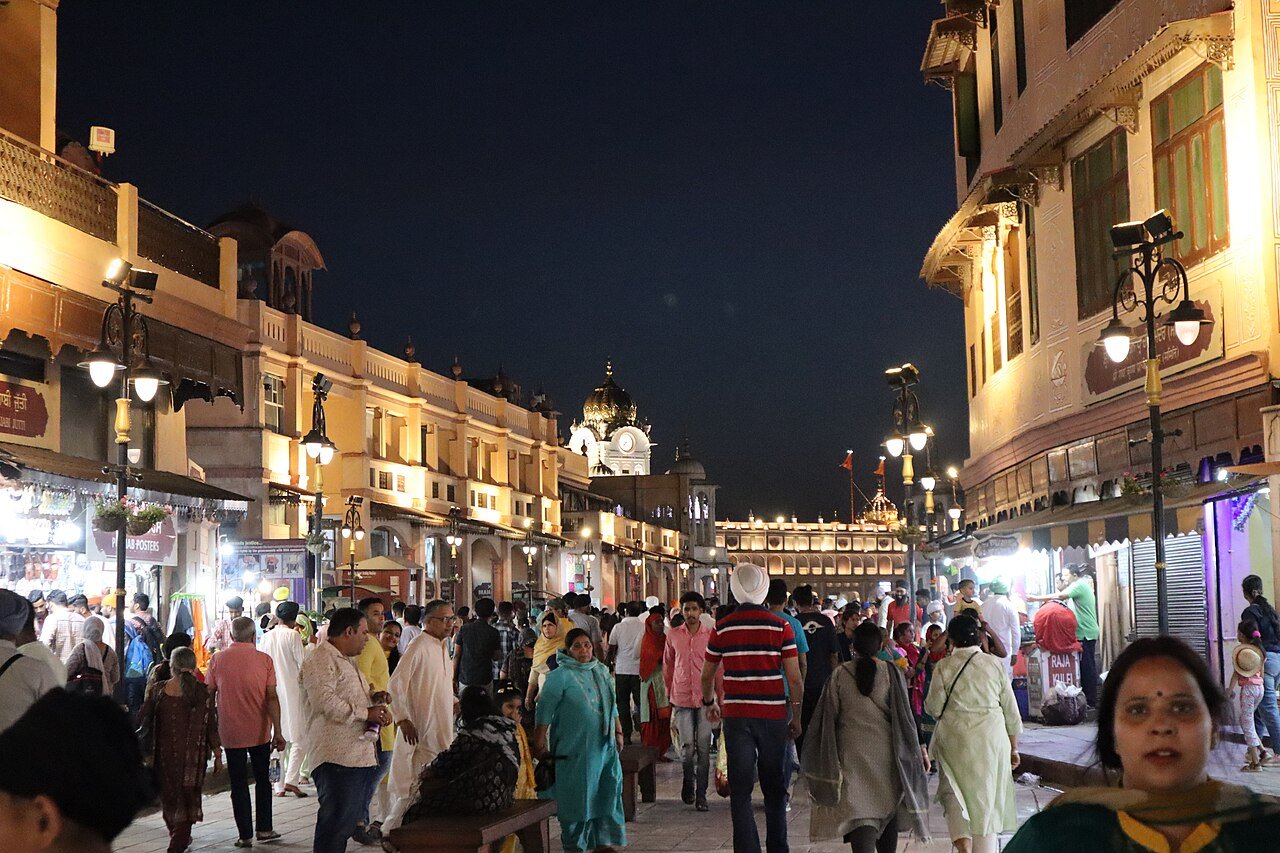
Amritsar was a market before it was a city. When Guru Ram Das founded the city in about 1574, he invited 52 traders from nearby towns to settle here, and their first 32 shops still stand in a street called Batisi Hatta — the street of 32 shops, according to the district administration’s own history of the city. The short answer: start at Hall Bazaar, then branch into Guru Bazaar for jewellery, Katra Jaimal Singh for Phulkari and wedding clothes, Shastri Market for budget fashion, and Lawrence Road for brands. Most of the old-city markets sit within walking distance of each other and the Golden Temple, so one unhurried morning covers the best of them. See our Amritsar guide for the sights to pair with the shopping.
The Best Shopping Markets in Amritsar at a Glance
| Market | Best for | Rough hours |
| Hall Bazaar | Phulkari, juttis, shawls, dry fruits, everything | About 10 am–9 pm |
| Guru Bazaar | Gold and silver jewellery, wedding shopping | About 10:30 am–9:30 pm |
| Katra Jaimal Singh | Phulkari suits, bridal wear, dress material | About 10:30 am–8:45 pm |
| Shastri Market | Budget fashion, juttis, bangles, accessories | About 10 am–9 pm |
| Lawrence Road | Branded stores, boutiques, cafes | About 10 am–10 pm |
| Lahori Gate | Pashmina shawls, spices, papad, pickles | About 11 am–10 pm |
| Heritage Street | Souvenirs and religious items by the Golden Temple | Shops open late into the evening |
Hours are ranges only: published timings disagree between guides, and individual shops keep their own hours, so check before you go.
Hall Bazaar: the Old City’s Main Street
Hall Bazaar is the first market most visitors meet, and the one to prioritise if you only have an hour. It is one of the oldest markets in the city, running from the arched Hall Gate — topped with a clock tower — towards the Golden Temple, and it is the one-stop street other guides keep coming back to: Phulkari embroidery, Punjabi juttis, shawls and woollens, dress material, dry fruits, imitation jewellery, electronics and handicrafts, with food stalls and dhabas folded in between. The lanes off it hold the specialisms, so treat Hall Bazaar as the spine and detour from it: Katra Jaimal Singh for cloth, Guru Bazaar for jewellery, Katra Ahluwalia for dry fruits. Go in the morning for the calmest walk, or late evening when the street comes alive with locals bargaining. Most guides put its hours at roughly 10 am to 9 pm, but sources disagree on exact times and Sundays, so check before you go. See our famous food of Punjab guide for what to eat between shops — Amritsari kulcha and lassi are never far away.
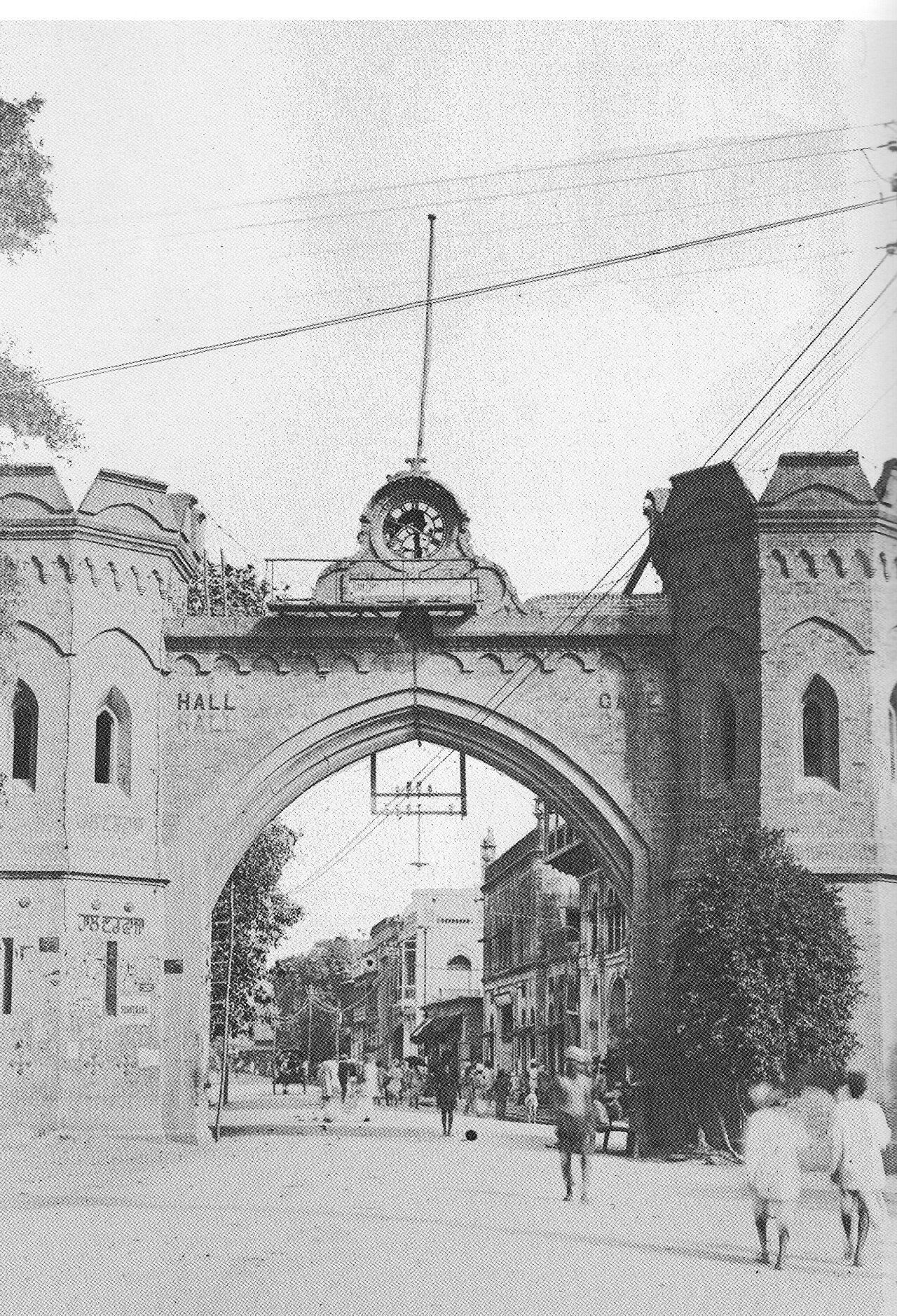
Shopping here rewards a slow pace. The first stretch from Hall Gate is general goods, and the better textile and food shops sit further along. Papad and warian sellers cluster along the bazaar, and the dry-fruit shops of Katra Ahluwalia sit a short detour away. If you are buying Phulkari, compare a few shops first: hand-embroidered work and machine work sit side by side at very different prices.
Guru Bazaar: Gold, Silver and Wedding Shopping
Guru Bazaar is the old city’s jewellery quarter, an enclosed maze of roughly 2,400 to 2,500 small shops between the Golden Temple and Guru Ka Mahal. It is the market Amritsar’s families come to for weddings: gold and silver ornaments, bridal sets, bangles, silver diyas and earthen lamps, and the Sikh articles — kirpans, kadas, khandas and turbans — that pilgrims buy near the shrine. Its narrow lanes are at their busiest in wedding season. For visitors, browse the silver and imitation jewellery rather than buying gold on a first visit, and keep the Golden Temple as your landmark — the lanes are easy to get turned around in. Rough hours are about 10:30 am to 9:30 pm, but check before you go.
Katra Jaimal Singh: Phulkari and Wedding Suits
Katra Jaimal Singh, a short walk from Hall Bazaar, is the cloth market — the place to go when the shopping list is clothes. It is best known for Phulkari suits and dupattas in bright patterns, along with sarees, dress material, bridal wear and wedding suits for men, sold at prices that undercut the big-city stores because so many neighbouring shops compete for the same customers. Walk the lane and compare the same kind of suit in three shops, and you will quickly learn the going rate. The market comes alive in the late evening, when locals arrive to bargain after work. Rough hours are about 10:30 am to 8:45 pm, but check before you go.
Shastri Market: Budget Fashion and Juttis
Shastri Market, near Hall Bazaar in Katra Ahluwalia, is the budget end of Amritsar shopping and the favourite of younger shoppers: trendy clothing, accessories and lower-priced fashion — cotton salwar suits, Patiala salwars, embroidered suits, scarves, costume jewellery, bangles and Punjabi juttis, with quilts and woollens in winter. It is the right market for a fun, cheap haul rather than heirloom buying. Rough hours are about 10 am to 9 pm. Fold it into the same walk as Hall Bazaar and Katra Jaimal Singh rather than making a separate trip.
Lawrence Road: Brands, Cafes and Easy Shopping
Lawrence Road is the other Amritsar: a wide, modern shopping street of branded showrooms, fashion boutiques, electronics stores and cafes, with the Omaxe Novelty Mall on the road itself. It is the place to come when the old-city lanes have worn you out — fixed prices instead of bargaining, and somewhere to sit with a kulcha or a lassi afterwards. Rough hours are about 10 am to 10 pm. The Mall of Amritsar, formerly Alpha One, on GT Road, and VR Ambarsar, formerly Trilium, offer the same mall experience with cinemas and food courts if you want one more stop.
Shopping in Amritsar Near Golden Temple
The best shopping in Amritsar sits within walking distance of the Golden Temple, which is why most visitors shop before or after darshan rather than making a separate trip. Heritage Street, the pedestrianised approach to the shrine, is lined with shops selling religious souvenirs, handicrafts, kada and kirpan sets, and local sweets — the easiest place to pick up a small, genuine keepsake, and at night, when the street is lit and crowded, a sight in itself. Lahori Gate market, also close to the temple, is the budget cloth and food market: Pashmina shawls, cotton suits and footwear, plus spices, papads and pickles at some of the lowest prices in the city. Kapda Bazaar, near the Town Hall, is the fabric market proper, selling cloth by the metre and ready-made Patiala suits. Between the three, you can cover souvenirs, clothes and food without leaving the temple quarter.
What to Buy in Amritsar
The shopping list writes itself once you know what the city actually makes. These are the buys that turn up in every Amritsar guide, and that you will struggle to find done the same way anywhere else. Start with one item from each group — something woven, something worn, and something edible — and the bag fills itself.
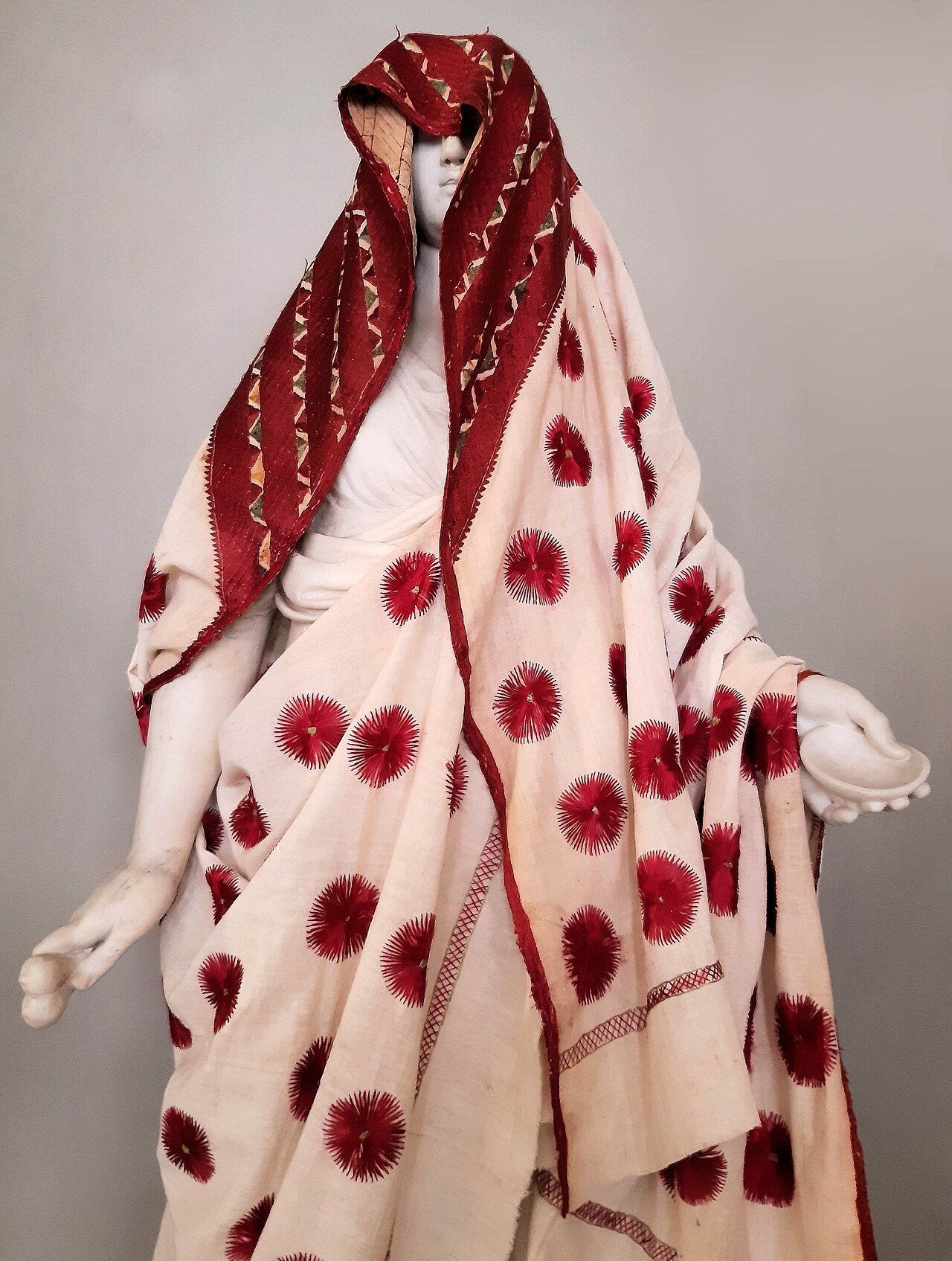
Phulkari: Punjab’s Flower Work
Phulkari — literally “flower work” — is Punjab’s traditional embroidery: bright silk thread worked in geometric and floral patterns onto cotton, worn by women at weddings and festivals, and now found on dupattas, suits, jackets and bags as well. Amritsar’s Hall Bazaar and Katra Jaimal Singh are the places to buy it, and the choice is between hand-embroidered pieces, which take weeks of work and cost accordingly, and machine work, which is fine for everyday wear at a fraction of the price. Look at the back of the cloth: dense, even stitching with no loose threads is the sign of good work. A dupatta is the safest first buy — light to pack, easy to wear, and unmistakably Punjabi.
Punjabi Juttis: Handmade Leather Footwear
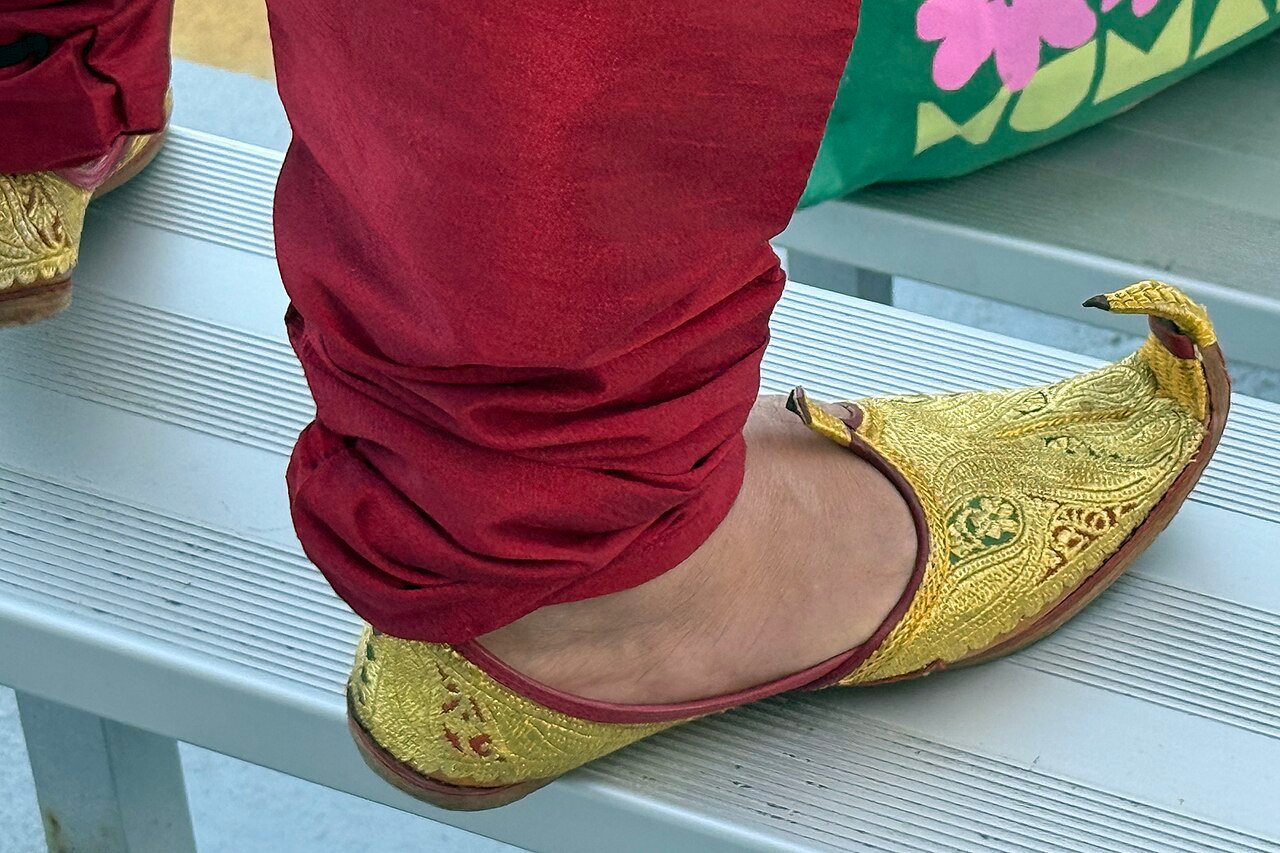
The Punjabi jutti is the other Amritsar classic: a handcrafted leather slipper, often embroidered with thread, beads or gold tilla work, with the curled toe that marks the traditional shape. Amritsar and Patiala are the two great centres for handmade juttis, and Hall Bazaar, Katra Jaimal Singh and Shastri Market all carry them in hundreds of designs. Buy them in person: try both feet and walk in them, because sizes vary between makers. Plain pairs are the everyday buy; heavily embroidered bridal pairs are the souvenir. They pack flat and weigh almost nothing.
Amritsari Papad and Warian
The food buy is Amritsari papad, the thin spiced wafer, and warian — sun-dried lentil dumplings that go into Punjabi curries. Both are sold by weight in Hall Bazaar and Katra Ahluwalia, and both travel well: light, unbreakable, and good for weeks, which is why they are the default gift to carry home. Buy them packed or vacuum-sealed, and pick up pickles and dry fruits from the same lanes. Our what to eat in Punjab guide covers the food behind the shopping.
Shawls, Dry Fruits and Religious Items
Round out the list with a woollen or Pashmina shawl — winter is the best season, and the shawl shops cluster around Hall Bazaar and Katra Jaimal Singh — and with the religious items the temple quarter sells: kadas, small kirpans, gutkas and khanda emblems from Guru Bazaar and Heritage Street. On shawls, buy from a shop that will show you the weave rather than from a pavement stall. If you buy a kirpan as a souvenir, check your airline’s rules before you fly: it cannot go in cabin baggage.
Best Market in Amritsar for Clothes
If clothes are the whole trip, make Katra Jaimal Singh your first stop: the widest range of Punjabi suits, sarees and bridal wear in the city, with competition keeping prices honest. Shastri Market is the second stop, for trendy budget fashion; Kapda Bazaar the third, for fabric by the metre and ready-made Patiala suits. If you would rather have brands with fixed prices, Lawrence Road is the answer. All four sit within a short auto-rickshaw ride of each other.
Shopping Tips: Bargaining, Timings and Getting Around
A few habits make the bazaars much easier. Walk the old city: Hall Bazaar, Guru Bazaar, Katra Jaimal Singh, Shastri Market and Lahori Gate are all close together near the Golden Temple, and the lanes are too narrow for cars — take an auto-rickshaw to Hall Gate and explore on foot. Bargaining is expected in the old-city bazaars, not in the malls or on Lawrence Road: start low, stay polite, and be ready to walk away — the next shop sells the same thing. Carry cash as well as UPI: most shops take digital payments, but the smallest stalls are still cash-friendly. Shop in the morning or late evening and rest in the afternoon, when the lanes are hottest and most crowded. Treat every timing in this guide as a range: the guides disagree on opening hours, some shops close on Sundays and others do not. The best months for a shopping trip are October to March, when the weather suits walking and the shawl shops are at their best.
Pack with the journey home in mind. Papad and warian go in checked baggage, not hand baggage, and a vacuum-sealed pack survives the flight far better than a loose paper bag. Juttis pack flat at the bottom of a suitcase, and a Phulkari dupatta doubles as wrapping for anything fragile. Keep receipts for jewellery, and keep anything you buy for a wedding — bridal sets, heavy embroidery — in your hand baggage where you can watch it.
Watch & Feel the Place
Videos are by their respective creators.
Best Shopping Markets in Amritsar FAQs
What is famous to buy in Amritsar?
Phulkari embroidered dupattas and suits, handcrafted Punjabi juttis, Amritsari papad and warian, dry fruits, woollen and Pashmina shawls, and traditional jewellery. Hall Bazaar, Katra Jaimal Singh and Guru Bazaar cover nearly all of them in one walk.
Which is the best market in Amritsar near Golden Temple?
Hall Bazaar is the best all-round market near the Golden Temple, a short walk away, with Phulkari, juttis, shawls and dry fruits. Heritage Street, right by the temple, is best for souvenirs and religious items, and Lahori Gate is the budget pick for shawls, spices and papad.
What is the best market in Amritsar for shopping jewellery?
Guru Bazaar, between the Golden Temple and Guru Ka Mahal, is Amritsar’s jewellery quarter, with roughly 2,400 to 2,500 shops selling gold and silver ornaments, bridal sets, bangles and silver diyas. It is busiest in wedding season.
What souvenirs to buy in Amritsar?
A Phulkari dupatta, a pair of Punjabi juttis, a packet of Amritsari papad and warian, and a kada or small religious keepsake from Heritage Street. All four are light, pack easily, and are genuinely of Amritsar rather than generic souvenirs.
Which is the best market in Amritsar for clothes?
Katra Jaimal Singh is the best market for clothes — Punjabi suits, sarees, bridal wear and dress material at competitive prices. Shastri Market is the budget pick for trendy fashion, Kapda Bazaar is best for fabric by the metre, and Lawrence Road is best for brands with fixed prices.
Four and a half centuries after 52 traders opened the city’s first 32 shops, the deal is unchanged: come to Amritsar for the Golden Temple, and leave with a Phulkari, a pair of juttis and a bag of papad. The bazaars are the city’s oldest habit, and half a day in them tells you more about Punjab than any museum label. Next, read our famous food of Punjab guide — and our best weekend trips from Amritsar guide if you have a second day to spare.
Plan your Amritsar trip
Hall Bazaar in the morning, the Golden Temple at dusk, and a bag full of Phulkari and juttis to take home — one day covers the markets, and the city rewards a second.
Punjab state guide →