
Arunachal Pradesh · State Guide
Best Places to Visit in Arunachal Pradesh

By Beauty of Bharat — India travel guide, every place, every flavour.
Guides covering all 36 States and UTs, researched from official sources and checked at publish time. Corrections welcome — see About Beauty of Bharat.

Arunachal Pradesh is where India wakes up first: the sun rises here before anywhere else in the country, which is why it is called the Land of the Dawn-Lit Mountains. The short answer: Tawang and the road over Sela Pass first, Ziro Valley for its paddy fields and Apatani villages, and — if you have the days — Mayudia’s snow pass and the rainforest of Namdapha in the east. October to April is the window, with snow at Tawang and Mayudia in December.
The Best Places in Arunachal Pradesh at a Glance
| Place | Why go | Best time |
| Tawang | India’s largest monastery, high passes, 1962 history | March–May, September–November; snow December–February |
| Ziro Valley | Paddy fields, Apatani villages, music festival | September–October; October–April |
| Sela Pass | 4,170-metre pass, lake and prayer flags | October–April; snow December–March |
| Bomdila | Monasteries, apple orchards, acclimatisation stop | March–May, October–November |
| Dirang | Hot springs, old dzong, Sangti Valley cranes | March–May, October–November; cranes in winter |
| Namdapha National Park | Rainforest, four big cats, tiger reserve | October–April |
| Mayudia | Snow pass above Roing | December–February for snow |
| Bhalukpong | Riverside gateway on the Kameng | October–April |
| Itanagar | Ita Fort, state museum, the capital | October–April |
Altitudes and fees are as reported at publish time; confirm them before you go.
Tawang: the Monastery Above the Clouds
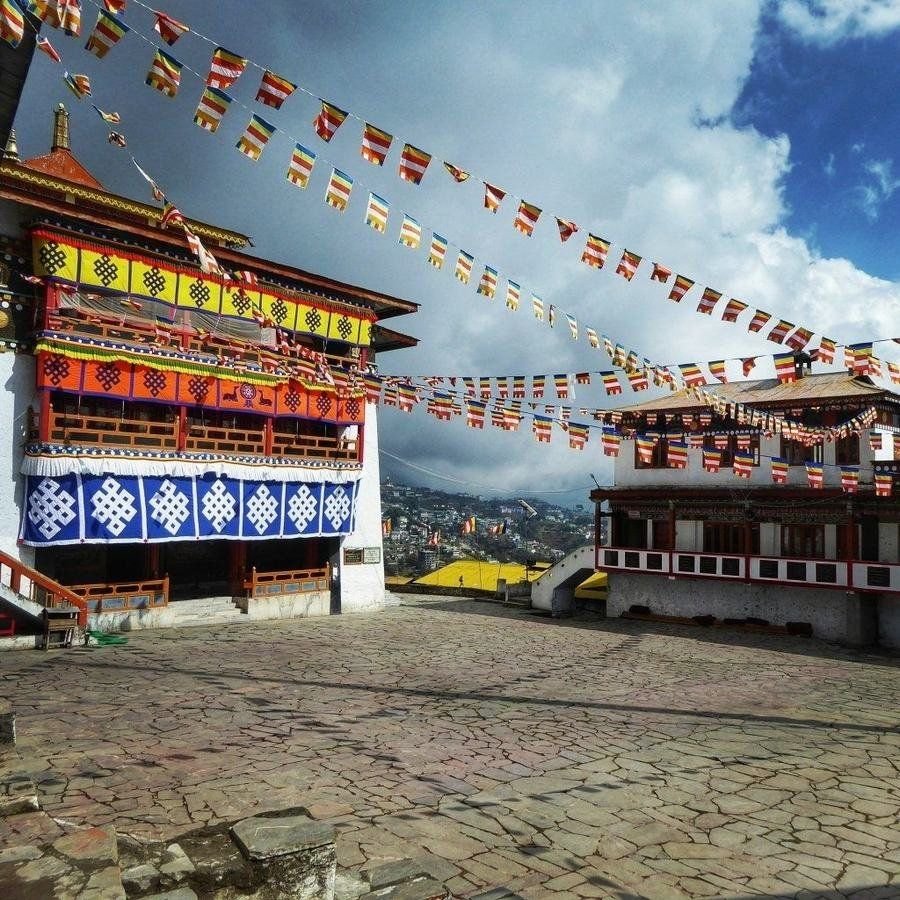
Tawang is the place most travellers mean when they say Arunachal Pradesh, and it earns the billing. The town sits at around 3,000 metres in the far north-west of the state, and above it stands the Galden Namgyal Lhatse — the Tawang Monastery, founded in the 17th century and the largest monastery in India, home to hundreds of monks, a vast prayer hall and a library of old scriptures. Give it a slow morning, then Sangetsar Lake — better known as Madhuri Lake — the Nuranang Falls at Jang, and the war memorial to the soldiers of 1962. A day trip to Bum La Pass, on the border itself, needs a separate permit — arrange it in Tawang town first. March to May and September to October give the clearest roads and views; from December to February the town turns to snow. See our Tawang guide and Tawang travel guide.
Ziro Valley: Paddy Fields and the Apatani Way of Life
Ziro does not announce itself with monuments. Its beauty is cumulative: a wide valley floor chequered with paddy fields in every shade of green, pine hills around, and Apatani villages whose elders still carry the tribe’s distinctive traditions. The Apatani system of wet-rice cultivation — fish raised in the same water as the paddy — is admired worldwide. Walk the bunds between the fields, visit villages like Hong and Hari with a local guide, and time your trip, if you can, for the valley’s outdoor music festival, which draws travellers from across India each autumn. September to October is the sweet spot, when the paddy is at its greenest and the festival runs. See our Ziro guide and Ziro Valley guide.

Sela Pass: the 4,170-Metre Gateway to Tawang
Every Tawang trip crosses Sela Pass — and the crossing is a destination in itself. At 4,170 metres, the pass carries the road from Dirang up past Sela Lake — a still, cold lake ringed with prayer flags — and over the ridge into the Tawang valley. It is also the most reliable place in Arunachal for snow, usually from December to March. Come for the lake at first light, and remember the altitude: walk slowly, drink water, and let your body catch up before you push on to Tawang. See our Sela Pass guide.

Bomdila: Monasteries and Apple Orchards on the Tawang Road
Most travellers meet Bomdila as a night halt on the long road to Tawang, and it deserves better than a transit stop. The town spreads along a ridge at around 2,400 metres, its upper and lower gompas serving a large Monpa Buddhist community, and on clear mornings the view runs to the snow ranges. Give it a morning: the monastery prayer hall as the monks chant, the craft centre’s carpets and thangkas, and the apple orchards that made the town’s name. Bomdila is also the acclimatisation step the high road demands before Sela Pass. March to May and October to November bring the clearest views. See our Bomdila guide.

Dirang: Hot Springs, an Old Dzong and the Sangti Valley
If Bomdila is the pause, Dirang is the breath before the mountains get serious. The town sits in a broad valley on the Kameng river at a kinder altitude, and travellers heading for Tawang have learned to give it a night: the air is soft and the valley has quietly interesting corners. Above the town, a short climb up, a hot spring steams in the hillside — Monpa families have bathed here for generations. Across the river, the old Dirang Dzong’s stone houses cluster as they have for centuries, and a short drive away the Sangti Valley spreads its meadows, wintering ground of the black-necked crane. March to May and October to November are best; the cranes come in winter. See our Dirang guide.

Namdapha National Park: India’s Wildest Rainforest
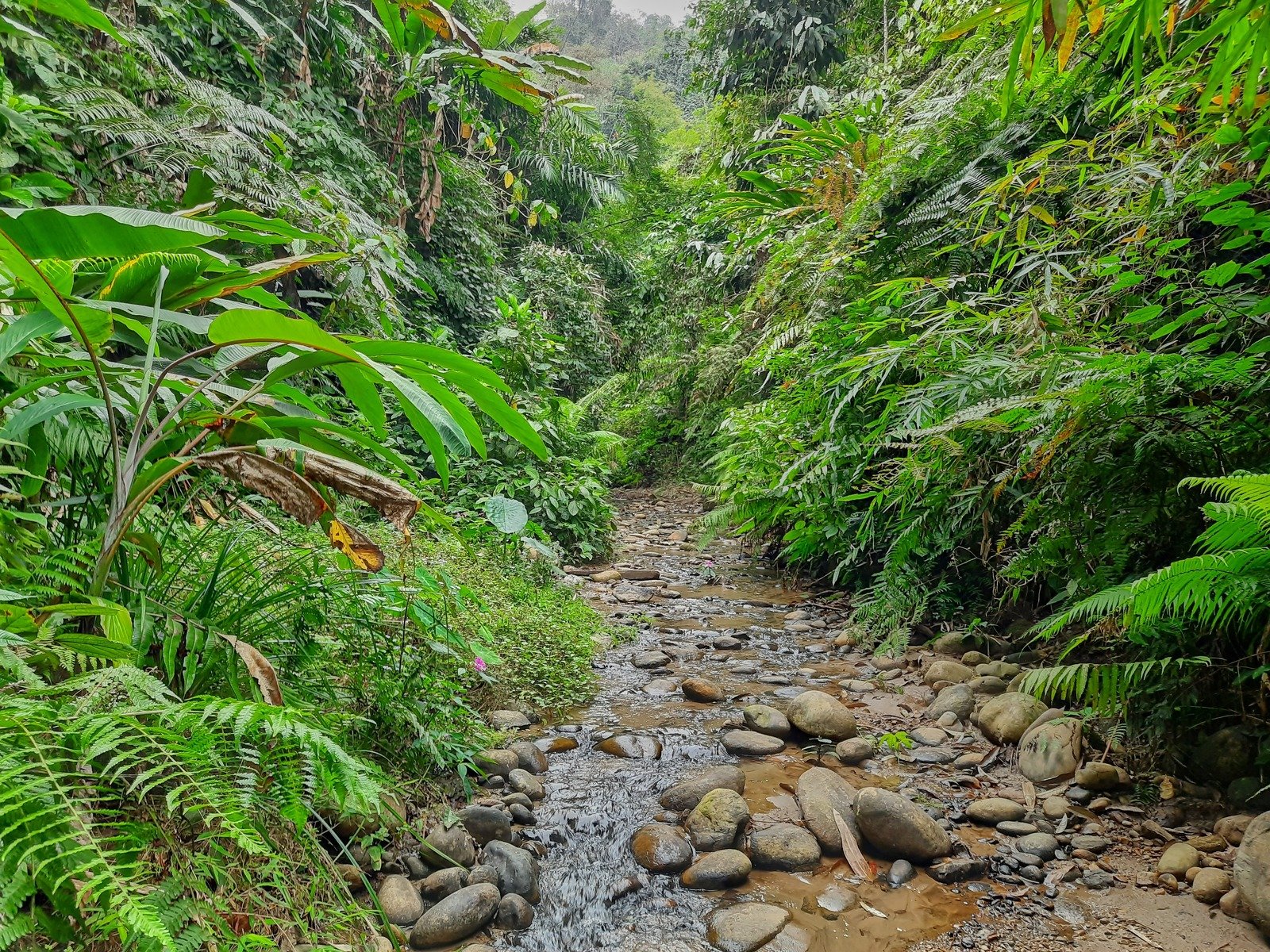
Near the Myanmar border, Namdapha is a different Arunachal: lowland rainforest instead of high passes, leeches and hornbills instead of prayer flags. Spread over 1,985 square kilometres in Changlang district, it is India’s fourth-largest national park — a national park and tiger reserve since 1983 — and the only park in the world confirmed to hold all four big cats: tiger, leopard, clouded leopard and snow leopard. You will almost certainly not see a cat; that is not the point. The point is the forest itself, rising from steamy river valleys at 200 metres to alpine ridges above 4,500 metres, and the slow treks through it from Miao. Go with a forest guide, October to April.
Mayudia: the Snow Pass Above Roing
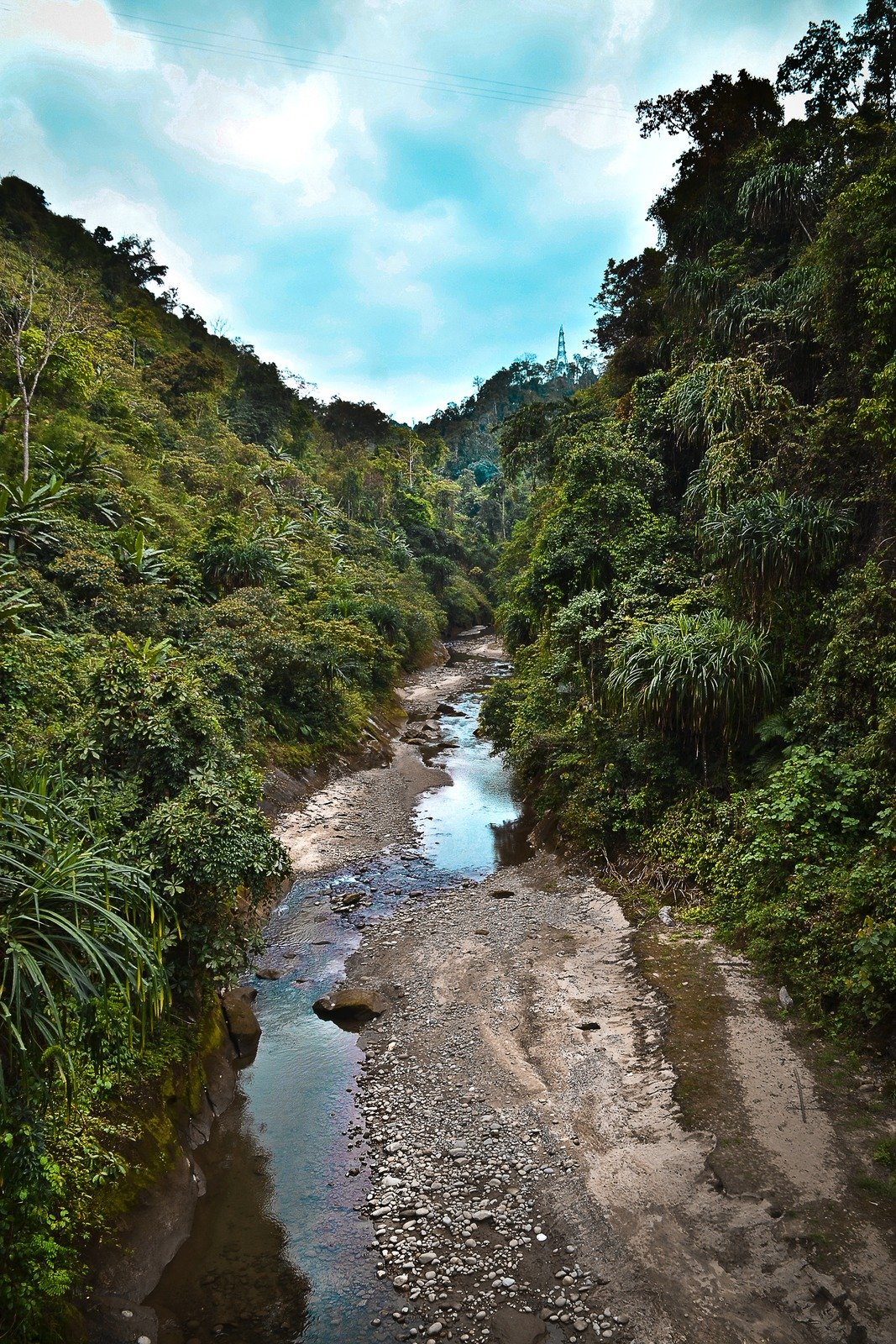
Mayudia is Arunachal’s eastern answer to Sela: a 2,655-metre snow pass 56 kilometres above Roing, reached by a hairpin road that climbs more than 2,200 metres out of the plains. From December to February the pass wears snow, and the drive up — through pine forest, past frozen streams — is the experience. It is a shorter, easier snow trip than the Tawang road. Our full Mayudia guide, published 26 November 2026, covers the snow season and the stay in Roing; see also our Mayudia offbeat guide.

Bhalukpong and Itanagar: the Gateways
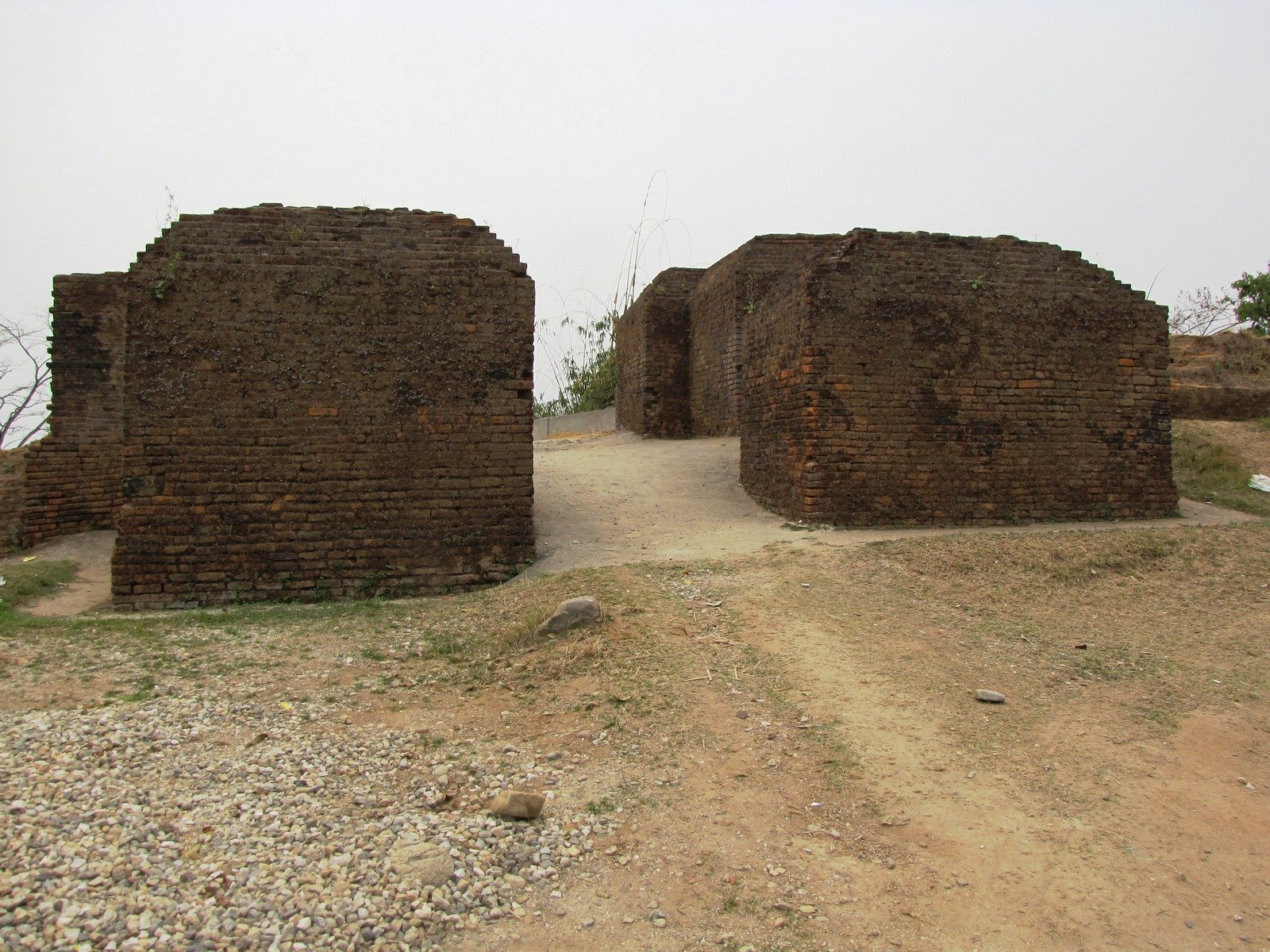
Two towns do the unglamorous work of letting you in. Bhalukpong sits where the Kameng river leaves the hills for the Assam plains, the first Arunachal town most travellers reach from Guwahati or Tezpur — a riverside halt, and the sensible first night before the climb to Bomdila. Itanagar, the state capital, is the other gateway: its medieval Ita Fort — the brick fort that gave the city its name — and the Jawaharlal Nehru State Museum, with the textiles and handicrafts of the state’s tribes, are worth a morning, and Ganga Lake sits quietly nearby. Itanagar is also the practical hub, with Donyi Polo Airport and Naharlagun station, and the road to Ziro starts here.
Best Places to Visit in Arunachal Pradesh in December
December turns Arunachal white in the west, golden in the centre. Sela Pass is the surest snow, usually holding from December to March; Tawang town itself gets snow from December to February, and Mayudia in the east is at its best in the same months. Ziro stays clear and cold under a hard blue sky, and the Sangti Valley near Dirang hosts its wintering black-necked cranes. Pack for real cold — layers, a windproof shell, warm shoes — keep a buffer day, because mountain weather changes schedules, and book stays ahead: December is peak season on the Tawang road.
What Is the Best Time to Visit Arunachal Pradesh?
October to April: clear skies, firm roads, days you can walk in. Within that window, pick by place: March to May and September to November for the Tawang road, September to October for Ziro at its greenest, October to April for Namdapha’s dry forest trails. The monsoon, roughly June to September, is the one season to avoid. Winter is for snow — cold, bright and worth it if you pack for it.
Do You Need a Permit to Visit Arunachal Pradesh?
Yes — sort it before you travel. Indian citizens who are not residents of Arunachal Pradesh need an Inner Line Permit (ILP), and foreign nationals need a Protected Area Permit (PAP). That is the rule on the state tourism department’s own site, checked at the entry points on the Assam and Nagaland borders. The tourist eILP is applied for online on the official portal, eilp.arunachal.gov.in; the fee shown there is &rupee;300 for up to 3 days and &rupee;500 for 4 to 14 days, and the permit is valid for up to 14 days. Apply a few days before you leave and carry a printed copy with the ID you applied with — there is little or no phone signal at many check gates. Bum La Pass needs a separate permit on top, arranged in Tawang.
How to Reach Arunachal Pradesh
There is no single gateway: the state is three trips in one. For the west, fly to Guwahati and drive via Tezpur, Bhalukpong, Bomdila and Dirang, over Sela Pass to Tawang: two days on the road, and the drive is half the trip. Tawang sits about 448 kilometres north-west of Itanagar. For the centre, fly into Itanagar’s Donyi Polo Airport or take the train to Naharlagun, then drive; Ziro is a day’s road trip from Itanagar. For the east, fly to Dibrugarh in Assam and cross into the state from there. Within Arunachal, shared taxis and reserved vehicles run the routes, and distances are measured in hours, not kilometres.
How Many Days Do You Need in Arunachal Pradesh?
Six to seven days covers the west circuit — Guwahati to Tawang and back, with nights at Bhalukpong, Bomdila and Dirang and two in Tawang. Four days covers the centre: Itanagar and Ziro. Ten to twelve days adds the east — Roing, Mayudia and Namdapha — without rushing. Less than five days means more driving than seeing: the roads are slow and the distances are long. Our 7-day Arunachal valley itinerary lays out the western loop day by day.
Watch & Feel the Place
Videos are by their respective creators.
Best Places to Visit in Arunachal Pradesh FAQs
What is the best time to visit Arunachal Pradesh?
October to April, with clear skies and firm roads. March to May and September to November suit the Tawang road best, September to October is Ziro at its greenest, and December to February brings snow to Sela Pass, Tawang and Mayudia. Avoid the monsoon, roughly June to September.
Do I need a permit to visit Arunachal Pradesh?
Yes. Indian citizens who are not residents of the state need an Inner Line Permit (ILP), applied for online on the official portal eilp.arunachal.gov.in; the fee shown there is Rs.300 for up to 3 days and Rs.500 for 4 to 14 days, and the permit is valid for up to 14 days. Foreign nationals need a Protected Area Permit (PAP) instead. Carry a printed copy with your ID.
How many days are enough for Arunachal Pradesh?
Six to seven days covers the classic west circuit to Tawang and back. Four days covers Itanagar and Ziro, and ten to twelve days adds the east — Roing, Mayudia and Namdapha. Less than five days means more driving than seeing.
Where can I see snow in Arunachal Pradesh?
Sela Pass is the most reliable place for snow, usually from December to March, followed by Tawang town and the Bum La area from December to February, and Mayudia Pass above Roing in the same months. December is the start of the snow season across the high passes.
What are the best places to visit in Arunachal Pradesh in December?
In December, go for Sela Pass and Tawang for snow, Mayudia Pass above Roing for the eastern snow, Ziro Valley for clear cold days and golden stubble fields, and the Sangti Valley near Dirang for wintering black-necked cranes. Book stays ahead — December is peak season on the Tawang road.
Nine places, three mountain roads, one sunrise before the rest of India — Arunachal rewards the traveller who goes slowly. Start with Tawang or Mayudia; either way, sort the permit first. Next, read our Mayudia guide — the snow pass above Roing — or plan the whole loop with our 7-day Arunachal valley itinerary. For the wider trip, see our best places to visit in India guide and our state-by-state guide.